How To Close Tooth Gaps Without Braces Or Aligners
Small spaces between teeth are common, especially between the upper front teeth. This gap is often called a diastema and may be a natural feature, the result of tooth size, a prominent frenum, gum changes, missing teeth, or habits that place pressure on the front teeth. The right solution depends on why the space exists, how wide it is, and whether the surrounding teeth and gums are healthy. Learn more about リウマチ性疾患の新しい治療薬の開発動向と治験情報.
Many adults in Australia want a discreet alternative to fixed braces or clear aligners. They may prefer a treatment that can be completed quickly before a wedding, work event, relocation, or holiday. Cosmetic dentistry can sometimes close a minor gap in one appointment, while other cases need a staged plan to protect the bite and long-term oral health.
Options include composite bonding, porcelain veneers, crowns, gum treatment and, where a tooth is missing, dental implants. These treatments do not move teeth in the same way as orthodontics. Instead, they alter tooth shape, replace missing structure or address the tissue causing the gap.
A consultation is essential before choosing a cosmetic procedure. A dentist should examine your bite, gums, enamel, existing fillings and any signs of tooth movement. At TruDent Clinics in Izmir, Turkey, personalised treatment planning can help compare appearance, durability, maintenance and overall suitability before treatment begins.
Why Gaps Develop Between Teeth
A gap may simply reflect the natural proportions of your teeth and jaw. If the front teeth are narrower than the available space, the teeth can look separated even when the gums and bone are healthy. A thick tissue attachment between the upper lip and gum can also keep the front teeth apart.
Gaps can appear or widen later in life because of gum disease, bone loss, tooth wear or pressure from the tongue. Missing teeth may cause neighbouring teeth to drift, creating several spaces and changing the bite. Persistent thumb-sucking during childhood, tongue-thrusting and some biting habits can contribute as well.
Sudden movement deserves particular attention. Bleeding gums, swelling, loose teeth, bad breath or a rapidly enlarging gap may indicate periodontal disease rather than a purely cosmetic concern. Treating the underlying condition comes before reshaping teeth. A dentist may recommend X-rays, photographs, a bite assessment or a gum examination to identify the cause.
Medical history matters too. Patients taking medicines for inflammatory or rheumatic conditions should provide an accurate list before dental treatment; current rheumatic disease research can also change the treatments some people receive. This information helps the dental team plan safely around healing, bleeding risk and existing conditions.
Composite Bonding For Small Spaces
Composite resin bonding is often the most conservative way to reduce a small gap. The dentist applies tooth-coloured resin to the sides of one or both teeth, shapes it to create a balanced contact and hardens it with a curing light. Usually, little or no natural enamel needs to be removed.
The procedure can often be completed in a single visit, making it appealing to patients travelling from Melbourne, Sydney, Brisbane or other Australian cities. The shade is selected to blend with the existing teeth, although bonding may need to be replaced if the surrounding teeth become darker over time.
Composite is suitable for modest gaps and patients with healthy enamel and a stable bite. It is less resistant to staining and chipping than porcelain, particularly for people who bite fingernails, chew ice or regularly consume coffee, tea, red wine or strongly coloured foods. A night guard may be useful for people who grind their teeth.
The result depends heavily on proportion. Closing a gap too aggressively can make the front teeth look broad or crowded. An experienced dentist will consider tooth width, gum line, facial symmetry and the shape of the smile rather than simply filling the space.
Veneers And Crowns For A More Lasting Change
Porcelain veneers are thin custom-made shells bonded to the front surfaces of teeth. They can close gaps while also changing colour, length and minor irregularities. Veneers are usually considered when several teeth need coordinated cosmetic improvement or when composite would not provide the desired finish.
Veneers require careful planning because some enamel may need to be prepared. They are not suitable for every patient, especially when there is untreated decay, active gum disease, severe grinding or insufficient enamel. Although modern porcelain is strong, veneers can fracture under heavy biting forces and may eventually require replacement.
Crowns cover the entire visible portion of a tooth and are generally reserved for teeth that are heavily filled, cracked, weakened or badly worn. Using crowns solely to close a small cosmetic gap may involve more tooth preparation than necessary, so a conservative option should be assessed first.
Shade planning is important when restorations are involved. Whitening natural teeth after veneers or crowns have been placed will not change the colour of those restorations. Patients with fillings can read about whitening with fillings before selecting a final shade for bonding, veneers or crowns.
Other Ways To Address The Underlying Cause
If a small gap is linked to an oversized frenum, a minor soft-tissue procedure called a frenectomy may be considered. It removes or releases the tissue that pulls between the front teeth. This is often assessed alongside another treatment, since releasing the tissue alone may not close an established space.
Gum treatment is vital when periodontal disease has caused tooth movement. Professional cleaning, improved home care and ongoing periodontal maintenance may stabilise the teeth. In some cases, cosmetic reshaping should wait until the gums are healthy and the gap has stopped changing.
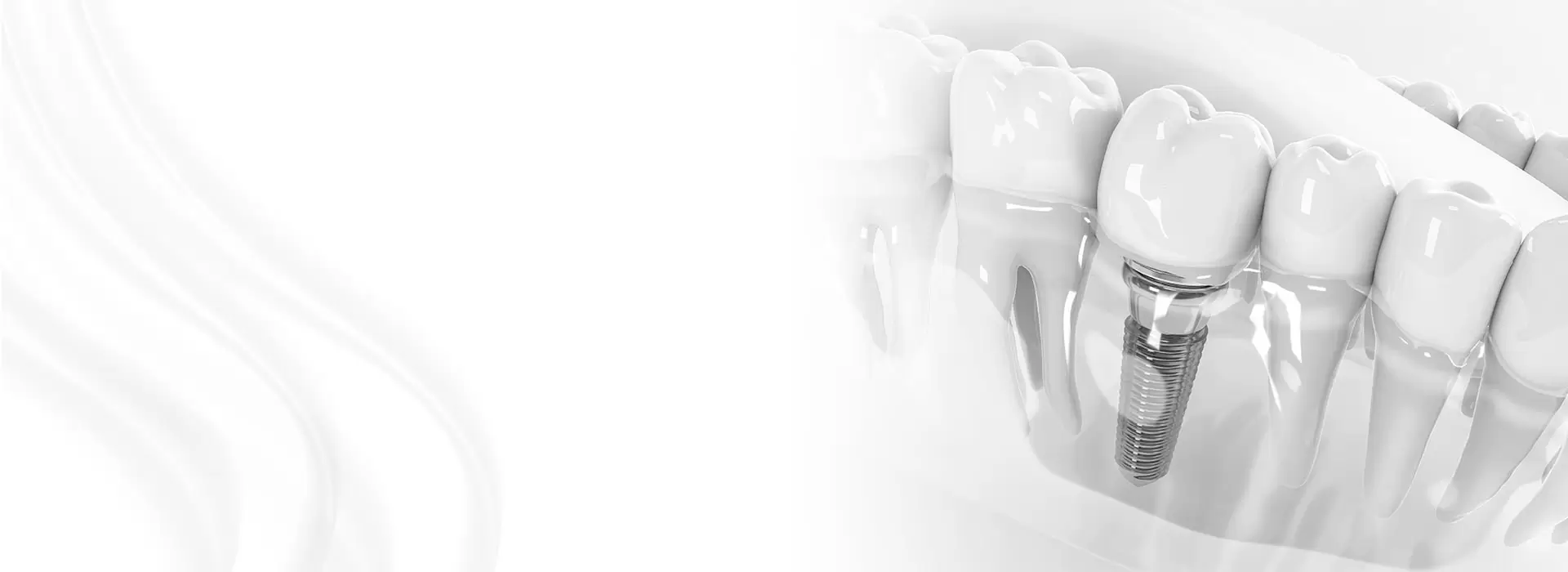
A missing tooth requires a different strategy. A dental implant with a crown can restore the lost tooth and help prevent neighbouring teeth from drifting further. Bridges or removable partial dentures may also be options, depending on bone volume, adjacent teeth, budget and the patient’s long-term preferences.
Botulinum toxin is sometimes used for jaw muscle tension or facial concerns, but it does not close a gap between teeth. It may be discussed separately for clenching-related symptoms, while the space itself still requires dental treatment. Clear diagnosis prevents patients from choosing a procedure that cannot address the actual cause.
Planning Treatment In Australia And Overseas
Australian patients should check whether their dentist is registered with the Australian Health Practitioner Regulation Agency and ask who will provide follow-up care if treatment is completed overseas. Routine adult dental care is generally not covered by Medicare, while private health funds may offer limited benefits after waiting periods and annual limits. Obtain a written quote that separates consultation, imaging, laboratory work, treatment and reviews.
Dental tourism can make treatment in Turkey attractive because clinics may offer coordinated consultations and cosmetic packages. Travel plans should allow time for assessment and, where required, a second appointment. Patients should also clarify what happens if a veneer chips, bonding fails or a crown needs adjustment after returning to Australia.
Everyday habits affect the lifespan of cosmetic dentistry. Australians who drink flat whites, black tea or sparkling beverages frequently may need a tailored prevention plan. Smoking or vaping can affect gum health, while weekend contact sports create a reason to use a properly fitted mouthguard. Regular check-ups are particularly important after treatment.
A practical checklist can keep the decision focused:
- Confirm the cause and size of the gap
- Treat decay, gum disease or grinding first
- Compare bonding, veneers and restorative options
- Ask about maintenance, repairs and follow-up
Before committing to a procedure, clarify these details:
- Whether enamel preparation is required
- How the shade will match existing teeth
- What happens if the gap reopens
- Which costs are included in the written quote
| Option |
Best suited to |
Main advantages |
Important limitations |
| Composite bonding |
Small gaps and healthy teeth |
Conservative, quick and usually affordable |
Can stain or chip and may need polishing |
| Porcelain veneers |
Cosmetic changes across several front teeth |
Natural appearance and good colour stability |
Irreversible preparation may be required |
| Crowns |
Weak, cracked or heavily restored teeth |
Protects and reshapes compromised teeth |
More extensive treatment than a simple gap requires |
| Frenectomy |
A frenum contributing to the space |
Addresses a soft-tissue cause |
May need to be combined with bonding or veneers |
| Implant and crown |
Gaps caused by a missing tooth |
Replaces the tooth and supports function |
Requires surgery, healing time and adequate bone |
The best way to close a space without braces or aligners is to match the treatment to the cause, tooth condition and desired result. Book a consultation with TruDent Clinics to discuss your smile, review suitable options and receive a personalised plan that considers appearance, function, durability and future maintenance.