How to Fix Uneven Gums with Laser Contouring
A balanced gum line can make a significant difference to the appearance of your smile. When gum tissue covers too much of a tooth, sits at different heights, or creates an uneven frame around the teeth, the smile may look irregular even when the teeth themselves are healthy and well aligned. Laser gum contouring offers a precise way to reshape excess tissue and create a more harmonious outline.
The procedure is also called gum reshaping, laser gingivectomy, or aesthetic crown lengthening, depending on the treatment goals. It is often considered as part of a smile makeover, but it may also support restorative treatment when the gum margin interferes with a crown or veneer.
A dentist must first determine why the gum line appears uneven. Gum inflammation, naturally varied tissue levels, tooth position, gum recession, bone height, and excessive gum growth can all produce similar visual concerns. An examination at TruDent Clinics in Izmir can help identify the cause and establish whether laser contouring is suitable.
Why Gum Lines Become Uneven
Some people naturally have an asymmetrical gum line. The gum tissue may rise higher over one tooth and sit lower over another, making certain teeth look shorter or creating a sloping appearance across the smile. This can be a normal anatomical variation rather than a sign of disease.
Gingivitis can also make the gums swollen, red, and irregular. In this situation, cosmetic reshaping should not be the first step. The underlying inflammation needs to be managed through professional cleaning, improved home care, and any additional treatment recommended by the dentist.
Other causes include excessive gum display, delayed tooth eruption, orthodontic movement, medication-related gum enlargement, or uneven tooth wear. Gum recession presents a different issue because too little tissue covers part of the tooth. Laser contouring may reduce excess gum tissue, but it cannot replace missing tissue; recession may require another approach, such as periodontal treatment or gum grafting.
How Laser Gum Contouring Works
Laser contouring uses a focused dental laser to remove or sculpt small amounts of excess gum tissue. Before treatment, the dentist maps the desired gum margins and assesses the relationship between the gums, teeth, lips, and smile line. Digital photographs or scans may be used to plan the proportions more accurately.
A local anaesthetic is generally applied to keep the area comfortable. The laser then reshapes the tissue while sealing small blood vessels, which can help limit bleeding during the procedure. Treatment time varies according to the number of teeth involved. A small adjustment may be completed quickly, while a full smile gum lift requires more detailed planning.
The laser does not automatically make the procedure painless for every patient, and sensitivity can vary. A helpful overview of expectations is available in this painless dentistry guide, although each person’s experience depends on the treatment area, anaesthetic, and individual sensitivity. Your dentist should explain comfort measures before beginning.
Who May Benefit From Reshaping
Laser gum sculpting may suit people whose teeth appear short because of excess gum tissue. It can also help create a more even gum arc when one or more margins sit noticeably higher or lower than the surrounding teeth. Patients who show a large amount of gum when smiling may benefit when the visible gum tissue is caused by an appropriate soft-tissue condition.
The treatment can be especially useful before veneers or crowns. If the gum line is irregular, restorations may look uneven even when they are carefully designed. In selected cases, reshaping the tissue first gives the dentist a clearer and more consistent foundation for cosmetic or restorative work.
A consultation is essential for patients with gum disease, thin gum tissue, recession, active decay, loose teeth, or concerns about jaw development. The dentist may recommend periodontal care, orthodontics, crown lengthening involving bone, or another treatment rather than laser contouring alone. A careful diagnosis protects both the appearance and long-term health of the smile.
| Concern |
What may help |
Important consideration |
| Excess gum covering healthy tooth structure |
Laser gum contouring or aesthetic crown lengthening |
The dentist must assess the gum and underlying bone |
| Swollen or bleeding gums |
Periodontal cleaning and gum-health treatment |
Cosmetic reshaping should wait until inflammation is controlled |
| Gum recession |
Periodontal evaluation, desensitising care, or grafting |
Removing more tissue is generally not appropriate |
| Uneven margins before veneers or crowns |
Coordinated gum and restorative planning |
The final tooth shape should be planned with the new gum line |
| Large gum display when smiling |
Gum reshaping, orthodontics, or other smile design options |
The cause may involve teeth, lips, jaw position, or soft tissue |
Benefits And Limitations
One benefit of laser gum reshaping is precision. The dentist can make subtle changes to individual gum margins instead of treating every tooth in the same way. This can help preserve a natural appearance, especially when the goal is to balance the smile rather than create a perfectly straight line.
The procedure may involve less bleeding and swelling than traditional tissue removal, and many patients return to routine activities relatively quickly. However, recovery is still part of the process. The treated gums can feel tender, appear slightly swollen, or react to hot and cold foods for a short period.
Laser contouring has limits. It cannot correct crooked teeth, significant bite problems, missing gum tissue, or excess bone around the teeth. It may also be unsuitable if the proposed change would expose too much tooth structure or compromise the biological space needed for healthy gum attachment. A realistic treatment plan should focus on facial balance and oral health rather than an artificial-looking gum line.
Recovery And Aftercare
After the procedure, the dentist may recommend a soft diet and advise avoiding very hot, spicy, crunchy, or acidic foods while the tissue settles. Gentle brushing is important, but the treated area may need careful cleaning according to the clinic’s instructions. Do not pull at any protective dressing or touch the gums unnecessarily.
Mild discomfort is common and can often be managed with medication recommended by the dental team. Smoking and vaping can interfere with healing, while alcohol-based mouthwash may irritate the area unless specifically approved. Good hydration and consistent oral hygiene support recovery.
The visible result may improve quickly, but the gum margins can continue to settle as inflammation decreases. A review appointment allows the dentist to monitor healing and assess whether the tissue levels are stable. Contact the clinic promptly if you experience worsening pain, persistent bleeding, marked swelling, fever, or signs of infection.
Combining Gum Contouring With Smile Design
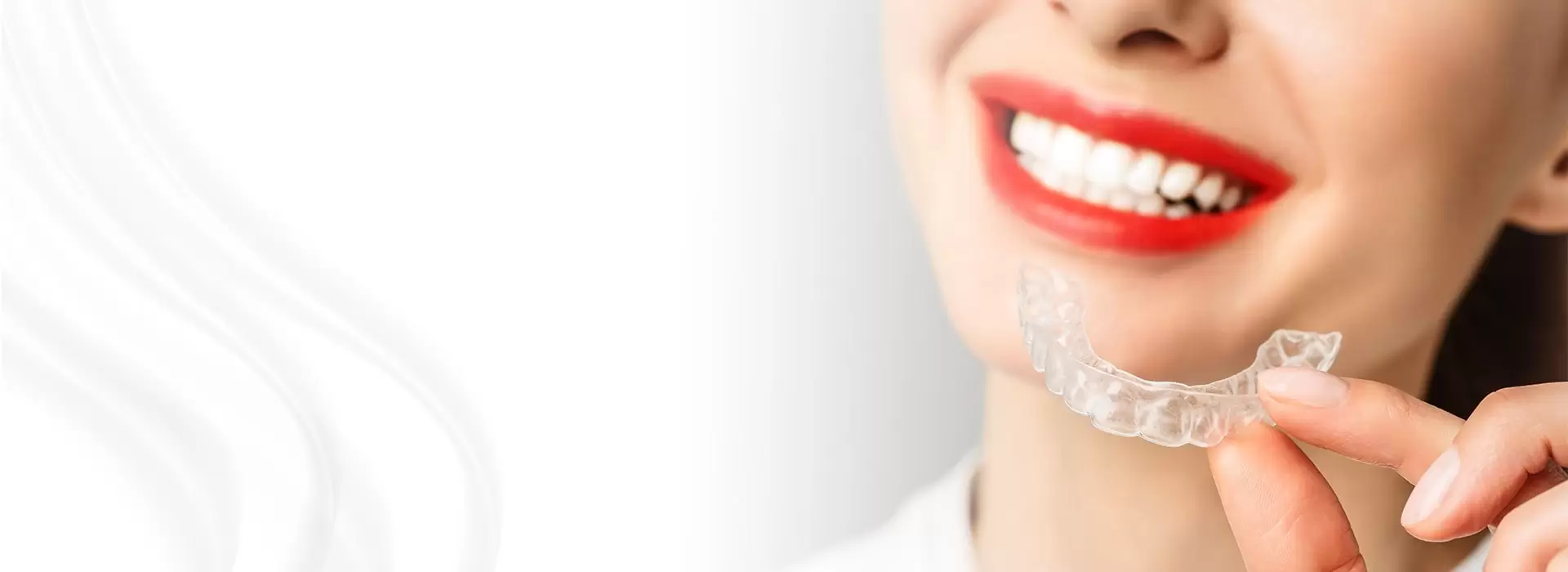
Uneven gums are often one element of a broader smile concern. The apparent height of a tooth can be influenced by its shape, colour, angle, position, and relationship with the neighbouring teeth. For this reason, a smile makeover may combine gum contouring with whitening, veneers, crowns, orthodontic alignment, or invisible aligners.
Treatment sequencing matters. Whitening is often performed before shade selection for veneers or crowns, while orthodontic movement may be needed before final gum adjustments. If a tooth is damaged or heavily restored, a crown may be more suitable than a veneer. The dentist should explain which changes are essential and which are elective.
A personalised plan also considers the lips and facial proportions. A gum line that looks balanced in a close-up photograph may appear different during a natural smile. Digital planning, clinical photographs, and a discussion of your desired result can help ensure that the proposed reshaping matches your features.
Recommendations For A Safe Treatment Journey
- Arrange a comprehensive dental and gum examination before booking cosmetic reshaping.
- Treat bleeding, swelling, decay, or active gum disease before changing the gum line.
- Ask whether your concern involves soft tissue only or also the tooth position and underlying bone.
- Request a clear explanation of expected healing, possible sensitivity, and long-term maintenance.
- Review the full smile plan if veneers, crowns, aligners, or whitening are also being considered.
Planning Your Treatment
Laser gum contouring can provide a refined improvement when excess or uneven gum tissue is responsible for an irregular smile. The best results come from conservative reshaping, accurate diagnosis, and coordination with any restorative or orthodontic treatment. A consultation at TruDent Clinics can assess your gum health, discuss your aesthetic goals, and outline the safest route toward a more balanced smile.
To explore whether gum contouring is appropriate for you, schedule a personalised consultation with TruDent Clinics in Izmir and receive a treatment plan tailored to your dental needs.