How to floss around dental implants safely and effectively
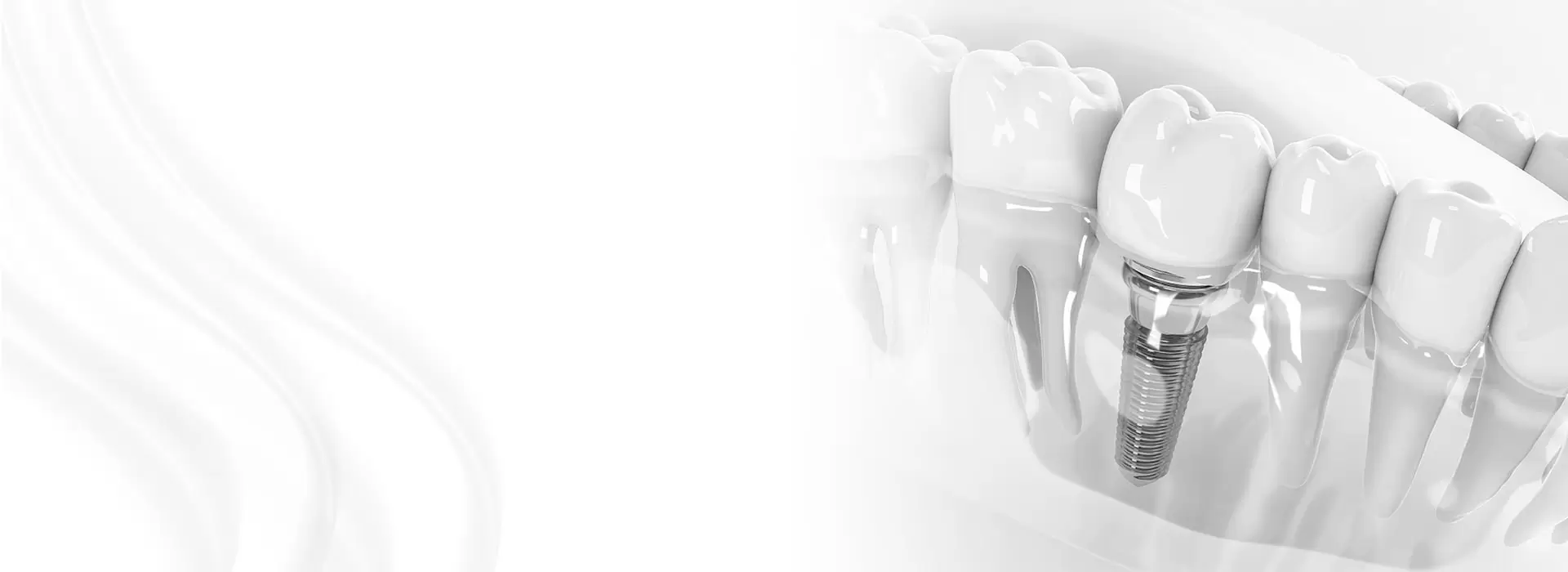
Dental implants are designed to function like natural teeth, but the gum tissue around them still needs careful daily care. Food particles and bacterial plaque can collect around the implant crown, abutment, and gumline. Without effective cleaning, inflammation may develop and affect the tissues supporting the implant.
Flossing around an implant requires a slightly different technique from flossing between natural teeth. The goal is to clean beneath and around the crown without snapping the floss into the gums or applying excessive pressure to the implant restoration.
A consistent home-care routine, combined with professional implant maintenance, helps protect your investment and supports a healthy, comfortable smile for years to come.
Why implant flossing matters
Natural teeth are attached to the jaw by periodontal ligaments, while dental implants are held in place through direct contact between the implant surface and bone. This difference means implants do not develop cavities, but the surrounding gums and bone can still be affected by plaque-related inflammation.
Bacteria around an implant may cause peri-implant mucositis, an early form of gum inflammation. If it is left untreated, the condition can progress to peri-implantitis, which may involve bone loss, bleeding, swelling, tenderness, or implant looseness. Daily cleaning is one of the most practical ways to reduce this risk.
Flossing also removes debris from areas that a toothbrush cannot reach, especially beneath a bridge-style implant crown or between an implant and a neighboring tooth. Cleaning these spaces improves breath freshness and helps your dentist monitor the condition of the tissues.
When to begin and what to use
Your dentist will tell you when to resume flossing after implant placement or restoration. During the early healing period, the surgical site may need to be left undisturbed or cleaned only with a prescribed method. Do not force floss beneath a temporary crown or around fresh sutures unless your dental team has approved it.
For a single implant crown, standard dental floss, implant-specific floss, or floss tape may be suitable. Some people find soft, thick floss easier to guide under the crown. A floss threader can help direct the material beneath a connected implant bridge, while an interdental brush may clean wider spaces more effectively.
A water flosser can be a useful supplement, particularly for implant bridges and full-arch restorations. Use a low or medium setting unless your dentist recommends otherwise. Water irrigation should support mechanical plaque removal rather than replace brushing and careful flossing.
A gentle technique for single implants
Begin with about 45 centimetres of floss, winding most of it around one middle finger and the remainder around the other. If you use a floss holder, choose one that allows the thread to pass comfortably around the implant crown without forcing it into the gum.
Guide the floss between the implant crown and the adjacent tooth using a gentle back-and-forth motion. Once it reaches the gumline, curve it into a “C” shape against one side of the implant. Move it up and down several times, extending slightly below the gum margin without pushing sharply into the tissue.
Repeat the movement on the other side of the implant and around the neighboring tooth. Use a clean section of floss for each space. The action should be controlled and smooth rather than forceful. Floss should not be pulled sideways with enough pressure to catch or loosen the crown.
If the contact area is very tight, avoid snapping the floss through. Ease it gradually through the contact, then slide it out in the same controlled manner. A dental professional can recommend a thinner floss or alternative cleaning aid if access remains difficult.
Cleaning beneath bridges and full-arch restorations
Implant-supported bridges and full-arch teeth often have a space between the restoration and the gum tissue. This area can collect food and plaque, so ordinary floss passed between the visible teeth may not be enough.
Threader floss can be passed beneath the bridge, allowing you to sweep along the underside of the restoration and around each implant support. Super floss, which has a stiffened end and a spongy section, can be useful for navigating these areas. Move the soft portion gently beneath the bridge and clean with short, careful strokes.
An interdental brush can be effective where there is enough space around the restoration. Select a size that fits snugly without bending the wire or scraping the gums. For full-arch implant solutions, many patients benefit from combining a brush, water flosser, and professional hygiene visits.
| Cleaning aid |
Best use |
Important consideration |
| Standard floss |
Single implant crowns and tight contacts |
Curve it around the crown and avoid snapping |
| Implant floss or super floss |
Spaces beneath crowns and bridges |
Guide it gently under the restoration |
| Floss threader |
Implant bridges and full-arch restorations |
Thread beneath the prosthesis without forcing |
| Interdental brush |
Wider spaces and accessible implant surfaces |
Choose a size that fits without pressure |
| Water flosser |
Rinsing debris from bridges and gum margins |
Use a comfortable setting as a supplement |
Mistakes that can irritate implant gums
One common mistake is using excessive force. Healthy cleaning should not cause persistent pain, tearing, or significant bleeding. Pressing hard beneath a restoration may traumatize the soft tissues or damage a floss strand, while aggressive sawing can make the gumline more sensitive.
Another problem is cleaning only the visible front surfaces. Plaque can remain under an implant bridge, between the abutment and crown, or around the back of a restoration. Angle the floss or cleaning device so these sheltered surfaces receive attention.
Avoid using sharp objects such as pins, metal picks, or improvised tools to remove food. They may scratch the restoration, injure the gums, or push debris deeper. Toothpicks can also splinter and create small wounds. If food repeatedly becomes trapped in one area, ask your dentist to assess the fit and shape of the restoration.
Patients who are considering a broader smile and facial appearance plan may also explore facelift surgery options through an appropriate specialist. Any aesthetic treatment should be discussed separately from implant maintenance, with attention to medical history and recovery planning.
Signs that need professional attention
A small amount of bleeding can occur when someone begins flossing after a period of inconsistent cleaning. If bleeding decreases as the area becomes healthier, improving daily hygiene may help. Persistent bleeding, however, should not be ignored.
Contact your dentist if you notice swelling, pus, a bad taste, ongoing tenderness, gum recession, or increasing sensitivity around an implant. A feeling that the crown or implant is moving requires prompt assessment. Do not wait for discomfort to become severe, because implant-related problems can sometimes progress quietly.
Your dentist or hygienist may measure the gum tissues, examine the bite, check the restoration, and take digital images if needed. Professional cleaning can remove hardened deposits that floss and a toothbrush cannot eliminate. Regular recall appointments are especially important for people with several implants, a history of gum disease, diabetes, or reduced manual dexterity.
Building a routine that lasts
Clean around implants at least once each day, preferably at a time when you can work carefully. Brushing twice daily with a soft-bristled toothbrush helps remove plaque from the crown and gumline, while a low-abrasion toothpaste can help protect the restoration’s surface.
The most effective routine is one you can perform consistently. Keep floss threaders, interdental brushes, or a water flosser where you normally complete your evening hygiene. If a device feels awkward, ask your dental team to demonstrate the technique and recommend an alternative rather than abandoning the area.
Useful habits for long-term implant care include:
- Brush gently along the gumline for two minutes twice a day.
- Floss or use an implant-safe interdental aid once daily.
- Clean beneath bridges and full-arch restorations from more than one direction.
- Replace worn brushes and rinse reusable devices according to instructions.
- Attend scheduled implant maintenance appointments, even when everything feels normal.
A personalized maintenance plan is particularly valuable after implant surgery, crown placement, or a smile makeover. Your dentist can adjust the method as the gum tissue changes, the restoration is replaced, or new implants are added.
Healthy implant care depends on precision rather than pressure. By guiding floss around the crown, cleaning beneath connected restorations, and responding promptly to bleeding or swelling, you can help preserve the gums and bone supporting your implants. Schedule a consultation with TruDent Clinics in Izmir for individualized advice, professional cleaning, or an assessment of your implant restoration and daily hygiene technique.