How To Get A Bright Smile For Your Wedding Day
Your wedding photographs will capture countless smiles, from quiet getting-ready moments to the final dance. Planning your dental care early can help your teeth look clean, healthy, and naturally bright without relying on last-minute solutions.
A radiant wedding smile usually comes from several small steps: a dental check-up, professional cleaning, suitable whitening, good daily habits, and cosmetic treatment when appropriate. The best option depends on your enamel, existing dental work, sensitivity, and the amount of time before the ceremony.
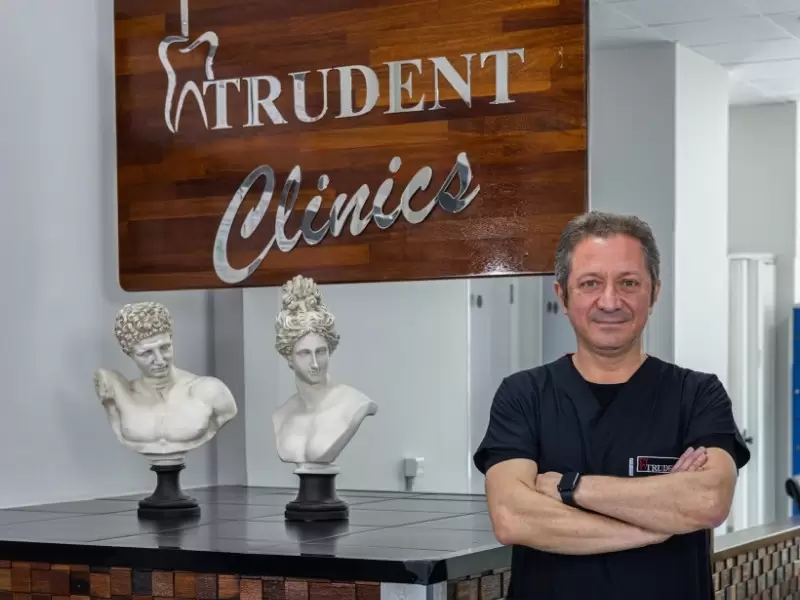
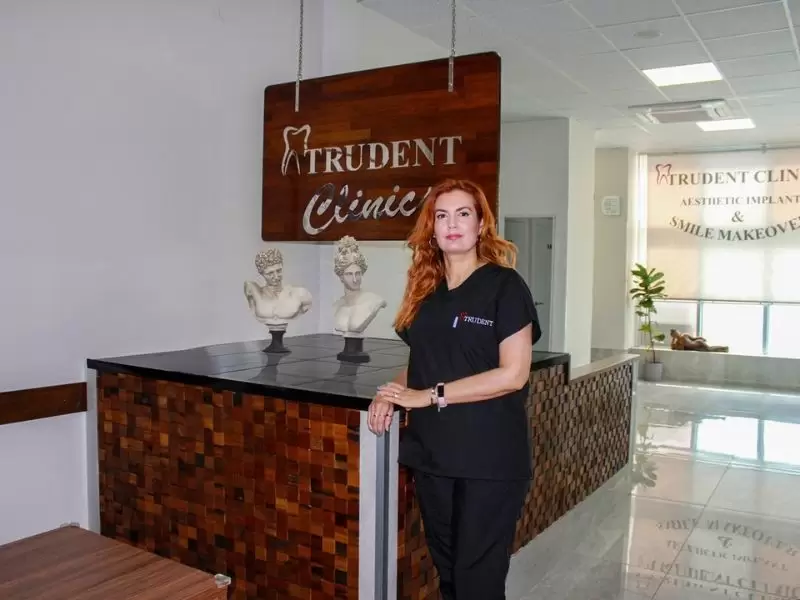
TruDent Clinics in Izmir, Turkey, creates personalised treatment plans for patients preparing for important events. A consultation can help you understand which treatments are suitable and how to schedule them safely around your wedding date.
Set A Realistic Wedding Smile Timeline
Begin planning six to twelve months before the wedding if possible. This gives your dentist time to identify cavities, gum problems, worn fillings, cracked teeth, or bite concerns before cosmetic treatment begins. Healthy teeth and gums provide the strongest foundation for any brighter smile makeover.
If your wedding is several months away, you may have time to consider professional teeth whitening, invisible aligners, veneers, crowns, or other aesthetic dentistry options. Some treatments require multiple appointments or a healing period, so timing should be part of the initial discussion.
With less than eight weeks to go, focus on treatments that can be completed comfortably within the remaining schedule. A dental examination and cleaning may create a noticeable improvement, while whitening can often be planned around your sensitivity and existing restorations. Avoid making major changes without enough time for adjustments.
Choose Whitening That Fits Your Teeth
Professional teeth whitening is one of the most popular ways to brighten a wedding smile. Depending on your needs, a dentist may recommend in-clinic whitening, customised take-home trays, or a combination of both. Professional supervision helps reduce the risk of uneven results, gum irritation, and unnecessary enamel sensitivity.
Whitening only changes the colour of natural tooth enamel. Crowns, veneers, bridges, fillings, and implants do not respond in the same way, which means existing dental work may look different after whitening. Your dentist can assess your smile before treatment and explain whether replacement or colour matching is necessary.
Whitening toothpaste can help remove surface stains from coffee, tea, red wine, and tobacco, but it does not create the same result as professional bleaching. Abrasive products used too often may increase sensitivity or irritate the gums. Whitening should also be postponed if you have untreated decay, gum disease, or exposed tooth roots.
| Treatment |
Best For |
Typical Timing Considerations |
Important Note |
| Professional Whitening |
Lightening natural teeth and reducing surface or deeper staining |
Often planned weeks before the wedding |
Results vary, and restorations do not whiten |
| Custom Take-Home Trays |
Gradual brightening with flexible use at home |
Useful when several weeks are available |
Follow the dentist’s instructions carefully |
| Dental Cleaning And Polishing |
Removing plaque, tartar, and surface stains |
Can be scheduled near the wedding date |
Supports gum health and a fresher appearance |
| Veneers |
Changing the shape, colour, or proportion of selected teeth |
Requires consultation and careful planning |
May involve preparation of the enamel |
| Crowns |
Restoring heavily damaged or weakened teeth |
Usually needs more than one appointment |
Recommended for structural restoration, not simple whitening |
| Invisible Aligners |
Gradually improving spacing or mild crowding |
Often takes several months |
Best started well before the ceremony |
Build Daily Habits That Protect Brightness
Your everyday routine has a direct effect on tooth colour and gum health. Brush twice daily with a soft-bristled toothbrush and fluoride toothpaste, and clean between your teeth with floss or interdental brushes. This removes plaque around the gumline, where redness or swelling can be especially visible in photographs.
After consuming strongly coloured foods or drinks, rinse with water rather than brushing immediately. Acidic foods and beverages can temporarily soften enamel, so brushing straight away may increase wear. Waiting around 30 minutes gives the enamel time to recover.
Simple Habits For A Fresher Smile
- Drink water regularly, especially after coffee, tea, fruit juice, or red wine.
- Use a straw for cold, acidic drinks when practical to reduce contact with front teeth.
- Avoid tobacco, which can contribute to yellowing, staining, gum disease, and unpleasant breath.
- Keep dental floss, sugar-free gum, and water available during wedding events.
- Do not use lemon juice, baking soda, or unregulated whitening products on your teeth.
A balanced diet also supports a healthy smile. Crunchy vegetables, dairy products, lean proteins, and foods rich in vitamins can support oral tissues, while frequent sugary snacks may increase the risk of decay. Sugar-free gum containing xylitol can stimulate saliva after meals, although it is not a substitute for brushing and interdental cleaning.
Consider Cosmetic Treatments For Lasting Changes
Some couples want more than a temporary colour improvement. Veneers may address visible chips, uneven edges, gaps, or persistent discolouration, while crowns can restore teeth that are significantly weakened or damaged. These treatments require a detailed assessment because the right result must suit your facial features, bite, tooth proportions, and natural smile line.
A smile makeover should be planned conservatively. Your dentist may use photographs, digital scans, shade guides, and mock-ups to discuss the proposed appearance before treatment. Natural-looking results usually involve careful attention to translucency, shape, alignment, and how the teeth appear when you speak and smile.
Invisible aligners can be useful for mild crowding or spacing, but they generally require a longer treatment period than whitening or bonding. Dental implants are designed to replace missing teeth and involve surgical and healing stages, so they should be considered as part of a long-term oral health plan rather than a rapid pre-wedding procedure.
Botulinum toxin injections may be discussed for selected cosmetic or jaw-related concerns, such as excessive gum display or tension in the chewing muscles. This is a separate treatment from dental whitening and requires an individual assessment, particularly when the wedding date is close.
Schedule Care Around The Wedding Week
Avoid booking unfamiliar cosmetic procedures immediately before the ceremony. Even well-planned treatments can sometimes cause temporary sensitivity, gum tenderness, swelling, or a need for minor adjustments. Completing major treatment several weeks in advance allows time for your mouth to settle and gives your dentist an opportunity to check the result.
A professional cleaning may be appropriate closer to the wedding, especially if you have a history of plaque buildup or surface staining. Ask your dentist how far in advance to schedule it, as the ideal timing can vary depending on gum sensitivity and the type of cleaning required.
During the final days, keep your routine simple. Use the toothpaste and products recommended by your dentist, avoid experimenting with intense bleaching kits, and protect any temporary restorations. If you develop severe tooth pain, facial swelling, a broken tooth, or a dental infection, seek emergency dental care rather than waiting until after the wedding.
Make Professional Care Part Of The Plan
A bright smile is easier to achieve when cosmetic goals are supported by preventive dentistry. A comprehensive assessment can reveal problems that are not obvious in the mirror, including early decay, gum inflammation, enamel wear, or an uneven bite. Treating these concerns first can make later aesthetic procedures safer and more predictable.
At TruDent Clinics, a consultation can cover whitening, veneers, crowns, invisible aligners, dental implants, general dental care, and other concerns in one personalised plan. Patients travelling to Izmir can discuss appointment timing, treatment stages, aftercare, and the practical schedule required before their event.
Bring your wedding date, photographs of the smile you prefer, a list of any sensitivity or previous dental work, and details about upcoming travel. Clear information helps the dental team recommend a realistic treatment sequence rather than a rushed cosmetic change.
Start With A Personalised Smile Plan
Your wedding smile should look healthy, comfortable, and consistent with your natural appearance. Whether you need a professional cleaning, carefully supervised whitening, restorative treatment, or a full smile makeover, early planning gives you more choices and greater peace of mind.
Schedule a consultation with TruDent Clinics in Izmir to review your goals and receive a treatment plan tailored to your teeth, timeline, and wedding plans. With the right preparation, your smile can be ready for every photograph, toast, and joyful moment.