How to Handle a Chipped Tooth at Home
A chipped tooth can happen while eating something hard, during sports, after an accidental impact, or because an older filling or weakened enamel has failed. The damage may be minor, but a small fracture can still expose sensitive tooth layers and create a pathway for bacteria.
Knowing how to handle a chipped tooth at home helps protect the area until a dentist can examine it. First aid can reduce discomfort and prevent additional damage, but it cannot repair the tooth or reveal whether a crack extends below the gum line.
A prompt dental assessment is especially important if you have pain, sharp edges, swelling, bleeding, or sensitivity to hot and cold. TruDent Clinics in Izmir provides emergency dental care and personalized treatment planning for damaged, weakened, or cosmetically affected teeth.
Assess The Damage Carefully
Start by rinsing your mouth gently with lukewarm water. This removes small fragments and food particles without irritating the injured area. Use a mirror and good lighting to see whether a piece of enamel is missing, but avoid repeatedly touching the tooth with your finger or tongue.
A tiny chip limited to the outer enamel may cause little or no discomfort. A deeper break can expose dentin, the layer beneath the enamel, and may feel sensitive when you drink something cold or breathe in. If the center of the tooth looks pink, red, or dark, the dental pulp may be exposed and urgent care is needed.
Check the surrounding gum, cheek, and tongue for cuts. Also consider how the injury occurred. A tooth damaged by a fall, blow to the face, or sports accident may have a hidden root fracture or injury to nearby teeth even when the visible chip looks small.
Provide Immediate First Aid
If the area is bleeding, place clean gauze or a folded piece of cloth over the gum and apply gentle, steady pressure for around 10 minutes. A cold compress held against the outside of the cheek can help reduce swelling and discomfort. Use short intervals, such as 15 minutes at a time, with a cloth between the compress and your skin.
If you find the broken fragment, keep it rather than throwing it away. Place it in a small container of milk or sterile saline. If neither is available, saliva can help prevent it from drying out. Bring the fragment to the dental appointment because, in some cases, the dentist may be able to assess or use it.
Eat soft foods and chew on the opposite side of your mouth. Avoid hard, sticky, acidic, or very hot foods until the tooth has been examined. If you need pain relief, follow the instructions on an appropriate over-the-counter medicine and check with a pharmacist or doctor if you have medical conditions, allergies, are pregnant, or take other medicines.
Know When Dental Care Is Urgent
Seek same-day emergency dental care if the tooth is intensely painful, reacts sharply to temperature, continues bleeding, or has a visible pink or red spot in the broken area. Swelling in the gum or face, pus, fever, a loose tooth, or difficulty opening your mouth can indicate infection or deeper trauma.
Go to emergency medical care after a serious facial injury, especially if you have trouble breathing or swallowing, uncontrolled bleeding, loss of consciousness, severe jaw pain, or signs of a head injury. A chipped tooth caused by a major impact should be assessed even if the pain seems manageable.
Do not wait for severe pain before arranging an appointment. Nerve irritation can develop gradually, and a rough edge can cut the tongue or cheek. Early treatment may allow a simpler repair and reduce the risk of further cracking.
What To Do Until Your Appointment
Temporary protection can make the tooth more comfortable, but home repairs are not a substitute for professional treatment. Dental wax from a pharmacy may cover a sharp edge for a short period. If it is unavailable, avoid chewing in that area rather than placing household materials over the tooth.
Do not use super glue, nail products, household adhesives, or DIY dental cement unless a qualified dental professional specifically advises you to use a suitable temporary product. These substances can damage oral tissues, trap bacteria, complicate treatment, and create a choking risk if they detach.
Do not file, sand, cut, or reshape the tooth yourself. Removing more enamel can expose deeper layers and permanently change the bite. Aspirin should not be placed directly on the tooth or gum because it can irritate or burn the tissue.
| Situation |
What You May Notice |
Appropriate Next Step |
| Small enamel chip |
Rough edge with little or no pain |
Arrange a routine dental examination |
| Dentin exposure |
Cold sensitivity, tenderness, or a yellowish area |
Book dental care promptly and avoid temperature extremes |
| Pulp exposure |
Pink or red center, strong pain, or bleeding from the tooth |
Seek urgent dental treatment |
| Loose or displaced tooth |
Movement, altered bite, or impact-related pain |
Obtain same-day assessment |
| Facial swelling or fever |
Swollen gum or cheek, bad taste, or pus |
Seek urgent care because infection may be present |
Treatment Options For A Broken Tooth
The recommended repair depends on the size and position of the chip, the health of the nerve, the condition of the surrounding enamel, and the appearance of your smile. During an examination, a dentist may use dental X-rays or other tests to check for cracks that are not visible.
For a small cosmetic chip, composite bonding can restore the shape and blend with the natural tooth color. It is often completed efficiently and preserves much of the existing enamel. A minor edge may sometimes be polished, but this is suitable only when enough healthy tooth structure remains.
A larger fracture may require a veneer or crown. Veneers can improve the front surface and appearance of certain front-tooth chips, while crowns cover and protect a more extensively weakened tooth. If the pulp is inflamed or infected, root canal treatment may be needed before the tooth is restored.
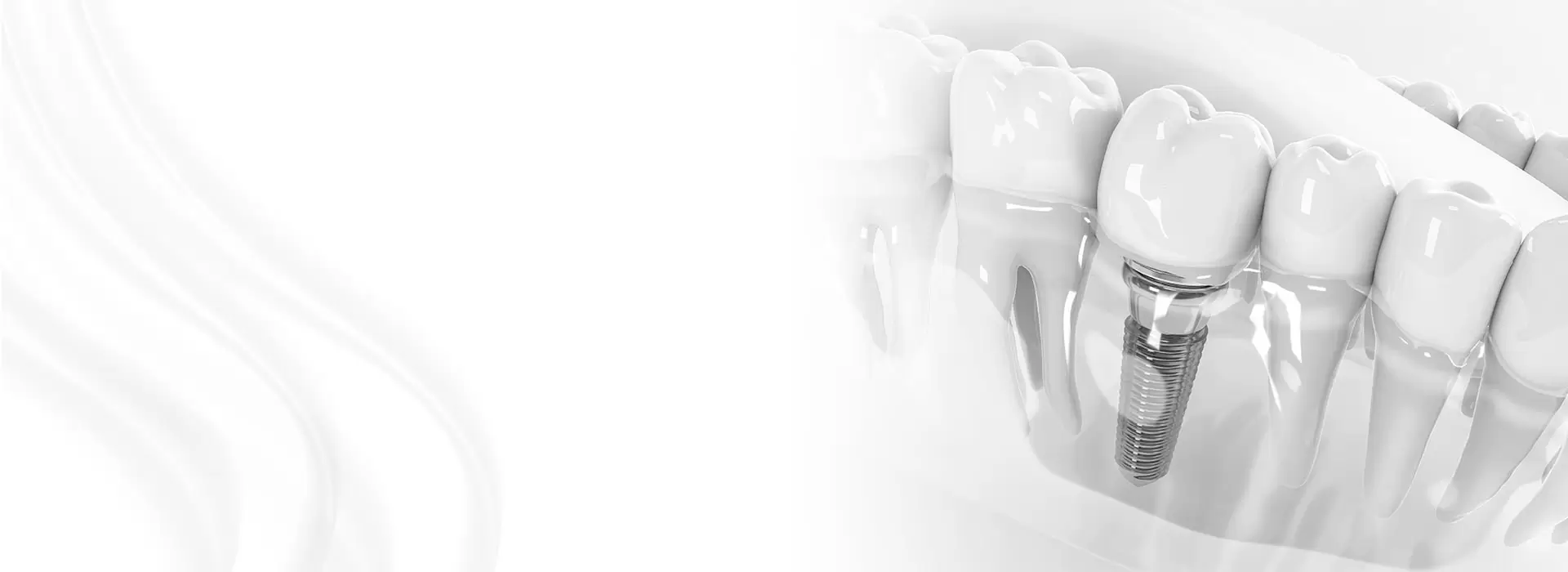
When a tooth cannot be saved, extraction and dental implant treatment may be considered. This is not the usual outcome for a simple chip, but timely evaluation helps preserve natural tooth structure whenever possible. At TruDent Clinics, the dentist can discuss options ranging from bonding and crowns to implants as part of an individualized plan.
Protect Your Teeth From Further Damage
After treatment, reduce pressure on the repaired tooth by avoiding habits such as chewing ice, biting pens, opening packages with your teeth, or repeatedly eating very hard foods. A custom mouthguard can help protect teeth during contact sports or activities with a risk of facial impact.
Continue brushing twice daily with a soft-bristled toothbrush and cleaning between the teeth. If the area is sensitive, a toothpaste designed for sensitive teeth may provide relief over time. Regular dental visits can identify worn fillings, enamel erosion, grinding, or decay that may have made the tooth more vulnerable.
Night-time grinding can contribute to small fractures and repeated chips. Tell your dentist if you wake with jaw soreness, headaches, or flattened tooth surfaces. A professionally fitted night guard may protect the teeth more effectively than an unsupervised product.
A Practical Care Checklist
Simple actions are useful when you are arranging dental care, particularly during the first few hours after the injury. Keep the affected area clean, limit pressure on the tooth, and monitor changes in pain or swelling.
Use these recommendations as temporary guidance rather than a replacement for diagnosis:
- Rinse gently with lukewarm water and apply clean pressure if the gum is bleeding.
- Place a cold compress outside the cheek to help with swelling.
- Save the tooth fragment in milk, saline, or saliva and bring it to the appointment.
- Choose soft foods and chew on the opposite side of the mouth.
- Avoid glue, filing, extreme temperatures, and direct aspirin application.
A record of when the chip occurred, what caused it, and which foods or drinks trigger sensitivity can help the dentist assess the injury. If the tooth changes color, becomes loose, or develops increasing pain, contact a dental clinic without delay.
Contact TruDent Clinics in Izmir to schedule an examination for a chipped or fractured tooth. A professional assessment can identify hidden damage, relieve discomfort, and guide you toward a suitable repair that protects both your oral health and your smile.