How to Handle a Loose Dental Crown Before Your Appointment
A loose dental crown can feel alarming, especially when it shifts while you are eating or speaking. In many cases, it is not an immediate disaster, but the exposed tooth underneath may be sensitive and vulnerable to damage. Acting carefully can protect the tooth until a dentist examines it.
A crown may become loose because the dental cement has weakened, the underlying tooth has developed decay, or the crown has cracked or no longer fits properly. Teeth grinding, biting hard foods and an impact to the mouth can also affect the seal. A crown that feels slightly mobile still deserves prompt professional attention.
Do not try to force the crown back into place or secure it with household glue. Superglue and similar products are unsafe in the mouth and can damage dental surfaces, irritate tissue and make professional removal more difficult. A temporary dental cement from an Australian pharmacy may sometimes be suitable, but only if a dentist or pharmacist advises you how to use it.
The safest approach is to contact a dental clinic, describe your symptoms and follow its instructions. If you are travelling from Sydney, Melbourne, Brisbane, Perth or another Australian city to Izmir for planned dental care, contact the clinic before flying if a crown becomes unstable. TruDent Clinics can assess the situation and help organise a suitable consultation.
| Situation |
What to do |
How quickly to seek care |
| Crown moves but causes little or no pain |
Remove it if it comes off easily, keep it clean and arrange a dental visit |
Within a few days |
| Crown has fallen out and the tooth is sensitive |
Store the crown safely, avoid temperature extremes and contact a dentist |
Promptly |
| Severe pain, swelling or a bad taste |
Seek urgent dental assessment and describe the symptoms |
Same day |
| Crown was swallowed or inhaled |
Seek medical advice, especially if breathing is affected |
Immediately for breathing difficulty |
| Crown has sharp edges or cuts the cheek |
Cover the edge with dental wax and arrange care |
As soon as possible |
Check the crown and your symptoms
First, wash your hands and gently feel whether the crown is moving. Do not repeatedly wiggle it with your tongue or fingers, as this can loosen it further or irritate the gum. If it comes off without resistance, place it in a clean container rather than wrapping it in tissue, where it could be accidentally discarded.
Look at the crown and the tooth only as far as is comfortable. Check for a crack, a missing piece, bleeding, swelling or a visible fracture in the tooth. Sensitivity to cold or pressure can occur when the crown no longer seals the tooth, but severe or increasing pain may indicate decay, pulp inflammation or an infection.
A loose crown accompanied by facial swelling, fever, pus, difficulty swallowing or restricted mouth opening needs urgent attention. In Australia, you can contact a local dentist, an emergency dental service or, for serious swelling affecting breathing, call 000. Do not wait for a routine appointment if the symptoms are rapidly worsening.
Protect the exposed tooth
Rinse gently with lukewarm water to remove food debris. Brush carefully around the area with a soft toothbrush, but avoid aggressive flossing beneath the crown. If the crown remains partly attached, do not pull it off. A dentist may prefer to remove it in a controlled way.
Avoid chewing on that side and choose soft foods such as yoghurt, eggs, pasta, soup or mashed vegetables. Keep away from sticky foods, hard nuts, ice, popcorn kernels and chewy lollies. Australian habits such as biting directly into hard apples, crusty bread or ice can place extra force on a weakened crown, so cut food into smaller pieces while you wait.
If the tooth is sensitive, lukewarm water and room-temperature foods may be more comfortable. A small amount of sensitive-tooth toothpaste can be applied to the exposed area, although it should not replace a dental examination. Keep the crown dry and clean if it has detached, but do not scrub it harshly or soak it in chemicals.
Manage discomfort safely
Over-the-counter pain relief can help while you arrange care. Paracetamol may be appropriate for many adults when taken according to the label. Ibuprofen can reduce pain and inflammation for some people, but it is not suitable for everyone, including people with certain stomach, kidney or heart conditions, some asthma sensitivities, or those taking particular medicines.
Ask a pharmacist if you are uncertain about the safest option, especially if you are pregnant, managing chronic illness or already taking medication. Australian pharmacies in shopping centres and suburban high streets can provide practical advice, but a pharmacist cannot repair the crown or assess the condition of the tooth underneath.
Do not place aspirin directly on the gum or tooth. It can irritate or burn soft tissue. Clove oil and other home remedies may also irritate the mouth or mask symptoms. Pain relief should be viewed as temporary support while arranging treatment, not as evidence that the problem has resolved.
Know when it is an emergency
A detached crown without pain is often suitable for a prompt dental appointment rather than a hospital emergency. However, the urgency increases when the underlying tooth is fractured, the gum is swollen or the patient has signs of infection. A crown may hide a problem that is not obvious from the outside.
Seek same-day dental care for intense or persistent pain, facial swelling, fever, a foul taste, pus, significant bleeding or difficulty opening your mouth. If swelling affects breathing or swallowing, call 000 or attend an emergency department. Hospitals can manage serious medical complications, although they may not provide definitive crown repair.
If the crown was swallowed and you have no breathing symptoms, contact a medical service for guidance. If it may have entered the airway, treat the situation as an emergency. Children and older adults may be less able to describe what happened, so seek advice promptly if a crown is missing and there is any concern about inhalation.
Understand the likely dental treatment
At the appointment, the dentist will examine the crown, the remaining tooth and the surrounding gum. They may take an X-ray to check for decay, a fracture or an infection below the gumline. The treatment depends on whether the crown is intact and whether the tooth can still support it.
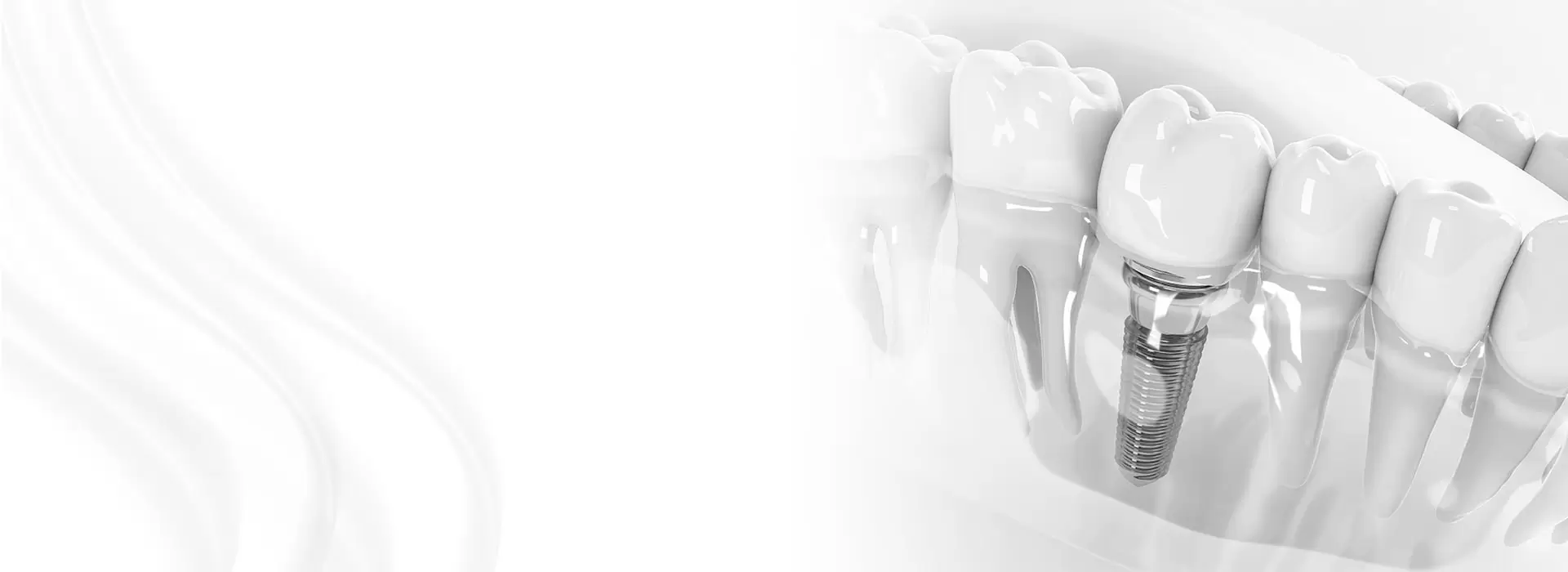
If the crown fits well and the tooth is healthy, the dentist may clean both surfaces and recement it. If the fit is poor or the crown is damaged, a new crown may be required. A tooth weakened by decay or a large fracture could need a filling, core build-up, root canal treatment or extraction before it can be restored.
Do not assume that a replacement crown is always the only option. The dentist may recommend a different restoration based on chewing forces, gum health and the amount of healthy tooth remaining. If you grind your teeth at night, a protective splint may help reduce the risk of another loose crown after treatment.
Plan care around Australian dental needs
Dental costs and appointment access vary across Australia. Medicare generally does not cover routine adult dental treatment, so check your private health insurance extras policy for waiting periods, annual limits and coverage for crowns, consultations or emergency visits. Public dental services may have eligibility requirements and waiting lists, making private urgent care the faster option for many adults.
If you are considering treatment overseas, obtain copies of X-rays, treatment notes and the crown’s details before travelling. Ask about follow-up arrangements, laboratory materials, warranty conditions and what happens if a restoration loosens after you return to Australia. The Dental Board of Australia and AHPRA regulate registered dental practitioners in Australia; checking provider registration is sensible when arranging local follow-up care.
For planned cosmetic or restorative dentistry in Izmir, TruDent Clinics can create an individual assessment for crowns, implants, veneers and related treatments. A remote review may help the dental team understand your situation before an appointment, although an in-person examination is still needed to diagnose a loose restoration accurately.
Practical steps before seeing a dentist
- Call the dental clinic and explain whether the crown is loose, detached, cracked or painful.
- Keep a detached crown in a clean, labelled container and bring it to the appointment.
- Eat soft foods and chew on the opposite side until the tooth is assessed.
- Use only dentist-approved temporary dental cement, never superglue or household adhesive.
- Take pain relief only as directed and check with a pharmacist if medicines or health conditions are involved.
- Seek urgent care for swelling, fever, severe pain, breathing difficulty or trouble swallowing.
Contact TruDent Clinics to arrange a personalised consultation for a loose crown or another dental concern. Early assessment can help preserve the underlying tooth, clarify whether the existing crown can be repaired and ensure your treatment plan suits your oral health, schedule and travel arrangements.