How to handle bad breath caused by dental implants
Bad breath after dental implant treatment can be worrying, especially when the implant itself feels stable and the surrounding teeth appear clean. In many cases, the odor comes from bacteria collecting around the implant crown, gum tissue, or areas that are difficult to reach with ordinary brushing.
Some causes are temporary, such as healing tissues, dietary changes, or limited cleaning during the first days after surgery. Persistent halitosis, however, may indicate trapped food, gum inflammation, or an infection around the implant. Recognizing the difference helps you seek the right care without delaying treatment.
A clean implant should not produce a continuing unpleasant smell. Good oral hygiene, professional examinations, and prompt attention to warning signs can usually restore fresh breath and protect the long-term health of the implant.
Why an implant can cause an unpleasant odor
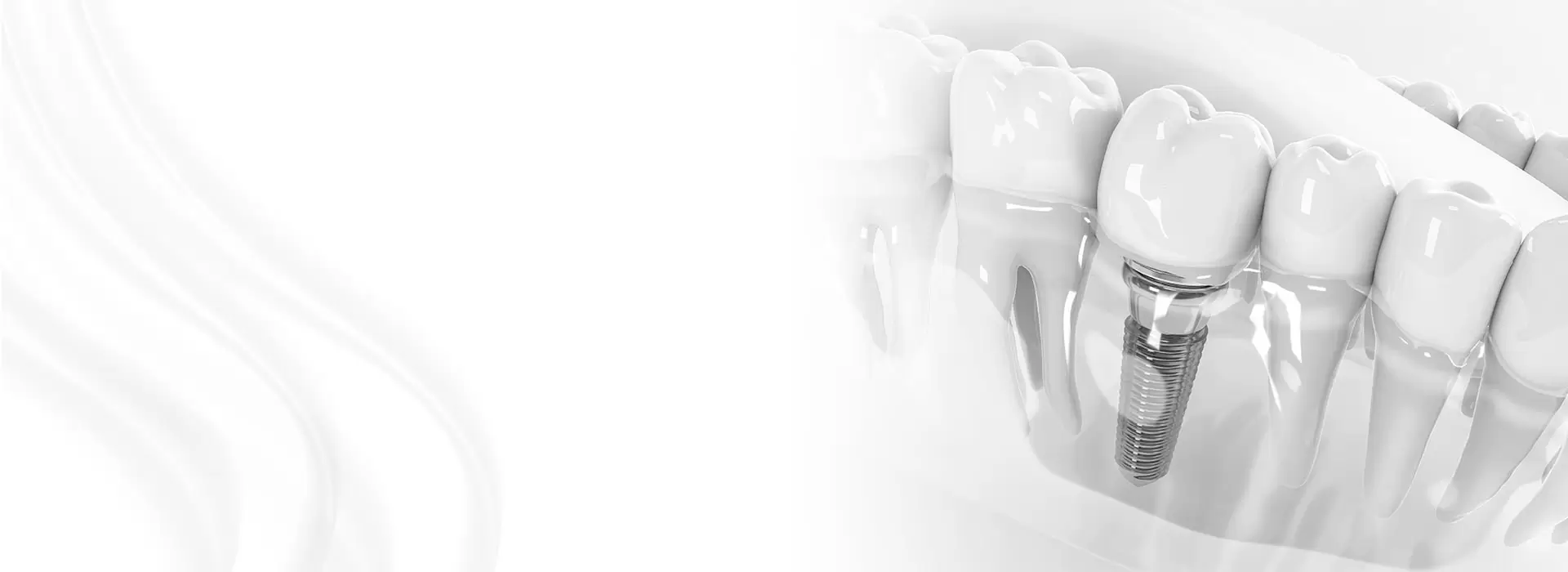
Dental implants are made from biocompatible materials, so the implant fixture itself does not decay or develop an odor. The problem usually develops in the soft tissue around the implant or on the attached crown, bridge, or denture. Plaque and food particles can collect along the gumline, beneath a prosthetic edge, or between closely positioned teeth.
Healing after implant surgery may also create an unusual taste or smell. Blood residue, dissolving sutures, dry mouth, and temporary difficulty brushing can contribute to short-term halitosis. This should gradually improve as the tissue heals and normal cleaning resumes.
A loose crown, poorly contoured restoration, or excess dental cement can create spaces where bacteria thrive. If the odor continues after the initial healing period, an implant dentist should check the restoration and the surrounding gum rather than treating the symptom with mouthwash alone.
Common causes of implant-related halitosis
Peri-implant mucositis is an early form of inflammation affecting the gum around an implant. It is often linked to plaque buildup and may cause redness, tenderness, bleeding, or bad breath without bone loss. When identified early, professional cleaning and improved home care can often control it.
Peri-implantitis is more advanced. In this condition, inflammation is associated with loss of supporting bone, and symptoms may include pus, swelling, bleeding, a bad taste, or increasing discomfort. Some patients also notice that the implant crown feels different when biting. This condition requires prompt professional assessment.
Other possible causes include gum disease in nearby natural teeth, cavities, sinus problems affecting upper implants, smoking, dehydration, and medical conditions that reduce saliva flow. A coated tongue can also contribute to odor, even when the implant area is healthy.
Patients sometimes try to cover the smell with strong rinses, but this may mask an underlying problem. The cause needs to be identified through an examination, dental X-rays when appropriate, and evaluation of the implant crown and gum pockets.
Signs that require a dental examination
Occasional morning breath is common, but persistent odor around an implant deserves attention. Arrange an appointment if the smell lasts more than a few days, returns soon after brushing, or is accompanied by a bad taste. Bleeding during cleaning, gum swelling, tenderness, or discharge are also important warning signs.
Pain is not always present in implant complications. Some infections progress quietly, particularly when the implant is surrounded by reduced sensation or when inflammation develops gradually. A change in the fit of the crown, difficulty flossing, or food repeatedly becoming trapped should also be reported.
Seek urgent dental care if you experience facial swelling, fever, severe pain, difficulty swallowing, or rapidly worsening symptoms. These signs may indicate a spreading infection that needs immediate treatment.
A professional review can also confirm whether the issue is actually coming from the implant. Nearby teeth, the tongue, tonsils, sinuses, or digestive and respiratory conditions may produce similar symptoms.
Cleaning methods that protect the implant
Brush twice daily with a soft-bristled toothbrush and fluoride toothpaste. Angle the brush carefully toward the gumline, using gentle circular movements rather than aggressive scrubbing. Electric toothbrushes can be helpful for removing plaque, but pressure should remain light around healing tissue and exposed implant components.
Clean between teeth every day. Depending on the restoration, an implant-specific floss, interdental brushes, or a water flosser may be recommended. Interdental brushes should fit snugly without forcing them through the space. Your dentist or hygienist can demonstrate the correct size and technique.
A tongue cleaner may reduce odor-producing bacteria on the tongue’s surface. Drinking water regularly supports saliva production, while limiting tobacco, excessive alcohol, and frequent sugary snacks can improve the oral environment. Antibacterial mouthwash may be useful for a limited period when prescribed, but it should not replace brushing and interdental cleaning.
If you are recovering from surgery, follow the clinic’s instructions. Avoid disturbing sutures, do not rinse forcefully during the first stage of healing unless instructed, and return for scheduled reviews. After the restoration is fitted, ask for specific guidance based on whether you have a single crown, implant bridge, or overdenture.
What treatment may involve
Treatment depends on whether the odor comes from surface plaque, inflamed gum, a defective restoration, or infection affecting deeper tissues. A dental professional may begin with careful cleaning around the implant and personalized hygiene instruction. The crown may also need to be removed temporarily if access is required.
If there is peri-implant mucositis, reducing plaque and treating the irritated tissue may be sufficient. Peri-implantitis can require deeper debridement, antimicrobial measures, correction of the prosthesis, or surgical treatment to clean and regenerate the affected area. The earlier the condition is diagnosed, the more options are generally available.
A dentist may assess your bite because excessive loading can affect the implant and its surrounding tissues. They may also check whether the crown has a cement margin, overhang, contact problem, or contour that makes cleaning difficult. In some cases, adjusting or replacing the restoration is part of resolving the odor.
For patients considering future cosmetic or restorative work, reviewing a clinic’s previous results can help set realistic expectations. TruDent Clinics’ smile gallery provides examples of aesthetic dental treatments, although every implant case still requires an individualized examination.
Comparing common approaches to fresh breath
| Approach |
What it can help with |
Important limitation |
| Brushing and fluoride toothpaste |
Removes plaque from visible tooth and crown surfaces |
May not reach under bridges or between implants |
| Interdental brushes or implant floss |
Cleans spaces around the restoration and gumline |
The wrong size or force can irritate tissue |
| Water flosser |
Flushes loose debris from difficult-to-reach areas |
Does not replace mechanical plaque removal |
| Tongue cleaning |
Reduces odor-producing coating on the tongue |
Will not treat implant infection |
| Professional implant cleaning |
Removes deposits and evaluates gum health |
Must be combined with ongoing home care |
| Restoration adjustment or replacement |
Resolves trapped food, excess cement, or poor contours |
Appropriate only after a clinical assessment |
Habits that reduce the risk of recurrence
Long-term implant maintenance is a partnership between daily home care and regular professional reviews. Even an implant that feels completely natural can develop plaque-related inflammation. Schedule maintenance visits according to your dentist’s advice, especially if you have a history of gum disease, smoking, diabetes, or previous implant complications.
Avoid using sharp objects to remove food beneath an implant crown. Toothpicks, needles, and improvised instruments can injure the gum or damage the restoration. Choose products designed for implant cleaning and ask for guidance if a space is difficult to access.
Pay attention to changes rather than waiting for severe symptoms. A small amount of bleeding, recurring odor, or an altered bite may be easier to manage when reported early. Keep records of when the smell began, whether it follows meals, and whether there is swelling or discomfort; these details can help the dentist identify the source.
Practical steps for cleaner, fresher implant care
- Brush gently for two minutes twice a day, focusing on the implant crown and gumline.
- Clean between teeth daily with an appropriate interdental brush, floss, or water flosser.
- Clean the tongue and drink enough water to reduce dry-mouth-related odor.
- Avoid smoking and arrange regular implant maintenance appointments.
- Contact a dentist promptly if bad breath persists or occurs with bleeding, pus, swelling, looseness, or pain.
Bad breath linked to an implant is a symptom rather than a diagnosis. It may result from a simple hygiene difficulty, but it can also signal inflammation that threatens the surrounding gum and bone. Covering the odor with mints or mouthwash may provide brief relief while allowing the underlying issue to continue.
A personalized examination can identify the source and establish a practical cleaning routine for your specific restoration. If you notice persistent odor, bleeding, swelling, or a change in how your implant feels, schedule a consultation with TruDent Clinics so the area can be assessed and treated appropriately.