How to Manage Pain After Dental Implant Surgery
Dental implant surgery is a carefully planned procedure, but tenderness, swelling, and mild discomfort are common during the first few days afterward. Knowing what to expect can make recovery more comfortable and help you recognize symptoms that need professional attention.
Post-operative pain usually comes from the healing gum tissue and the surrounding bone. The intensity depends on the number of implants placed, whether bone grafting was required, and your individual response to treatment. Most patients notice that discomfort gradually improves rather than remaining constant.
Your dentist will provide instructions based on your procedure and medical history. Follow those directions closely, especially when taking pain relief, cleaning the surgical area, and attending follow-up appointments.
What Normal Implant Discomfort Feels Like
Pain after implant placement is often described as soreness, pressure, or a dull throbbing sensation around the treatment site. It may be strongest once the local anaesthetic wears off and can increase slightly during the first evening. Swelling commonly develops within 24 to 48 hours and may make the jaw feel tight.
Bruising, minor bleeding, gum sensitivity, and difficulty opening the mouth can also occur. These symptoms should usually begin to settle after the first few days. Mild tenderness may continue for a week or longer, particularly when several implants or additional procedures were involved.
Pain that steadily improves is generally a reassuring sign. However, severe pain that suddenly becomes worse after initial improvement may indicate infection, inflammation, or another complication. Contact your dental clinic promptly if your recovery does not follow the expected pattern.
Caring For the Surgical Area
Apply a cold pack to the outside of your cheek during the first day, using short intervals of approximately 15 to 20 minutes followed by a break. Keep a thin cloth between the ice pack and your skin. Cold therapy may help reduce swelling and numb some of the tenderness.
Rest with your head slightly elevated during the first night. Avoid strenuous exercise, heavy lifting, and activities that significantly increase blood pressure for the period recommended by your dentist. Bending over repeatedly can also encourage bleeding or throbbing around the implant site.
Do not rinse forcefully, spit repeatedly, or touch the wound with your fingers or tongue. These actions can disturb the blood clot and irritate healing tissue. If your dentist has prescribed a mouth rinse, use it exactly as directed rather than substituting a strong over-the-counter product.
Using Medication Safely
Your dentist may recommend an anti-inflammatory pain reliever, another analgesic, or a combination suited to your health needs. Take medication according to the prescribed dose and timing. It is often easier to control discomfort by taking the first dose before the anaesthetic completely wears off, provided your dentist has approved it.
Never exceed the recommended amount or combine medicines containing the same active ingredient. Patients with stomach ulcers, kidney disease, liver disease, bleeding disorders, asthma triggered by anti-inflammatory medicines, or blood-thinning medication should discuss pain relief options with a qualified clinician.
Antibiotics are not automatically needed after every implant procedure. If they are prescribed, complete the course unless your dentist or doctor tells you to stop. Antibiotics do not directly relieve ordinary surgical pain, and using leftover medication can delay appropriate treatment.
| Recovery concern |
Common experience |
Helpful response |
When to contact the clinic |
| Gum soreness |
Mild to moderate tenderness for several days |
Use prescribed or approved pain relief and rest |
Pain becomes severe or worsens after improvement |
| Facial swelling |
Often peaks within 48 hours |
Apply cold packs initially and sleep with your head elevated |
Swelling keeps increasing, spreads, or affects swallowing |
| Minor bleeding |
Slight oozing during the first day |
Bite gently on sterile gauze as instructed |
Bleeding is heavy or does not slow with pressure |
| Difficulty chewing |
Sensitivity around the implant area |
Choose soft foods and chew away from the site |
You cannot eat or drink adequately |
| Bad taste or odour |
Temporary blood taste may occur |
Follow gentle cleaning instructions |
Persistent foul taste, pus, fever, or worsening pain |
Eating, Drinking, and Cleaning
Choose cool or lukewarm soft foods during the first few days. Yogurt, eggs, mashed vegetables, soup that is not hot, soft pasta, and smoothies without a straw are usually easier to manage. Adequate fluids support recovery, but avoid alcohol while taking certain medicines and during the early healing period.
Do not use a straw, since suction can disturb the surgical area. Avoid hard, sharp, sticky, spicy, and very hot foods until your dentist confirms that the site is ready. Chew on the opposite side whenever possible, and do not test the implant by biting firmly on it.
Continue brushing the rest of your teeth, but be gentle near the operation site. Depending on the procedure, your dentist may recommend avoiding direct brushing over the implant for a short period. Keeping the mouth clean reduces bacterial build-up, while aggressive brushing or vigorous rinsing can delay tissue healing.
Habits That Can Delay Healing
Smoking and vaping reduce blood flow to the gums and can interfere with bone integration around the implant. They may also increase the risk of infection, delayed healing, and implant failure. Avoid tobacco for as long as your dental team advises; stopping completely offers the greatest benefit.
Alcohol can irritate healing tissues and may interact with prescribed medication. It is best avoided during the initial recovery period. Excessive physical activity, sauna use, and very hot baths may also increase swelling or bleeding during the first days.
Good sleep, balanced nutrition, and careful oral hygiene support recovery. If you have diabetes or another condition that affects healing, maintain your usual medical care and tell your dentist about any changes in your health or medication.
Practical Ways to Make Recovery Easier
A simple routine can help you stay comfortable while protecting the implant site. Prepare soft foods, prescribed medication, clean gauze, and a cold pack before surgery so that you do not need to search for supplies while recovering.
Use these measures as part of your dental implant aftercare:
- Take pain relief only as instructed and keep track of each dose.
- Apply a cold pack during the first 24 hours, with regular breaks.
- Sleep with your head raised and avoid strenuous exercise initially.
- Eat soft, nourishing foods and drink plenty of water without using a straw.
- Keep follow-up appointments so your dentist can assess healing and implant stability.
Do not place aspirin directly on the gum, as it can irritate tissue and contribute to bleeding. Also avoid home remedies such as undiluted essential oils, alcohol-based products, or hydrogen peroxide unless your dentist specifically recommends them.
Warning Signs That Need Dental Advice
Some symptoms require prompt communication with your implant dentist. Seek advice if pain is intense, fails to respond to approved medication, or becomes worse after several days. Increasing swelling, persistent bleeding, pus, fever, or a foul taste can also signal infection or another issue.
Contact an emergency service immediately if you develop difficulty breathing or swallowing, rapidly spreading facial swelling, uncontrolled bleeding, or signs of a serious allergic reaction. These symptoms should not wait for a routine appointment.
A loose temporary restoration, unusual movement around the implant, or a sudden change in your bite should also be reported. Avoid chewing on the area until it has been examined. Early assessment often allows the dental team to address a problem before it affects the healing process.
Supporting Long-Term Implant Healing
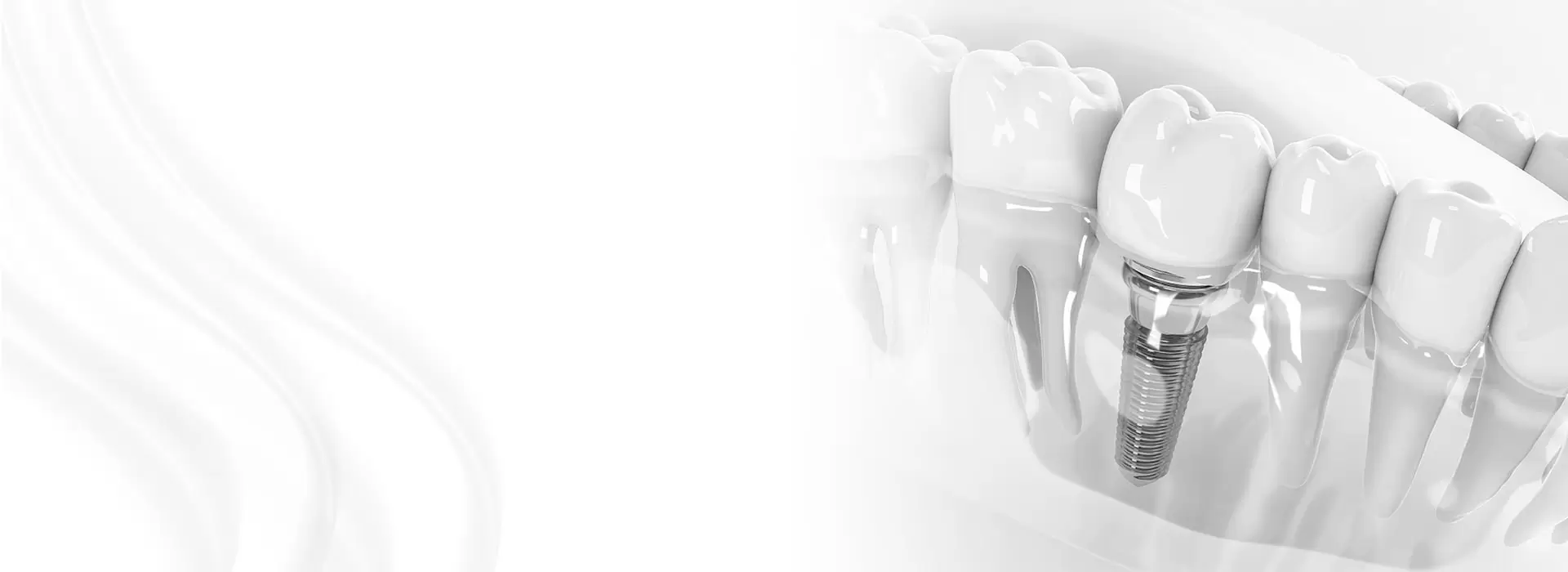
The initial pain usually resolves before the implant has fully bonded with the jawbone. This biological process, called osseointegration, can take several months. A lack of pain does not mean the implant is ready for heavy chewing, so follow restrictions on diet and function even when you feel well.
Attend every review appointment, including visits to check the gum tissue, healing progress, bite, and any temporary crown or prosthesis. Your dentist may use clinical examinations or imaging to confirm that the implant is integrating correctly before placing the final restoration.
If you are considering dental implants in Izmir, TruDent Clinics can assess your oral health, discuss bone and gum requirements, and create a treatment plan tailored to your needs. Schedule a consultation to receive clear post-operative guidance and professional support throughout your recovery.