How to spot excellent dental laboratory work for crowns and veneers
A crown or veneer is only as good as the dental technician who crafts it. For Australians weighing up treatment in Sydney, Melbourne, or further afield, learning how to judge laboratory quality protects both your wallet and your smile. With dental fees in major Australian cities often running into the thousands per tooth, recognising the markers of superior fabrication is becoming a practical skill rather than a niche interest.
The benchmark for prosthetic dentistry in Australia sits high, governed by Australian Health Practitioner Regulation Agency (AHPRA) standards and the Therapeutic Goods Administration's regulation of dental ceramics. Even so, the finished result depends heavily on the unseen partnership between your dentist and their chosen lab. Whether your clinician works with a local technician in Brisbane or sends specifications to a digital laboratory overseas, the same quality cues apply.
The markers that distinguish high-grade prosthetic work
A premium restoration looks invisible next to natural teeth because the lab has invested time in three areas: characterisation, contouring, and contour harmony with the bite. Excellent work rarely advertises itself with uniform brightness; instead, surface texture, subtle translucency at the incisal edge, and micro-variations in shade mimic the way light behaves in real enamel.
Lesser work tends to show flat, monochromatic surfaces, opaque "buttons" at the margins, or contact points that feel rough when you run floss between teeth. Patients in Adelaide and Perth frequently comment that poor-quality crowns feel bulky even when the shape looks acceptable in the mirror. That bulk almost always traces back to a lab that prioritised speed over occlusal accuracy.
A worthwhile lab also photographs each case at multiple stages and shares those images with the prescribing dentist. Ask your clinician whether they receive documentation such as stump-shade photos, die scans, and try-in shots. These records let the dentist verify the technician's work before the restoration is cemented permanently, and they double as an accountability trail if anything needs adjusting later.
Materials compared: choosing the right ceramic for each case
The material a technician selects shapes everything from longevity to aesthetics. The four most common categories each behave differently in the mouth, and knowing the trade-offs helps you hold a meaningful conversation with your dentist about what is being made for you.
| Material |
Strength |
Translucency |
Best for |
Typical cost per unit (AUD) |
| Zirconia (monolithic) |
Very high (900–1,200 MPa) |
Moderate, improving with newer multilayer blocks |
Posterior crowns, bruxism patients |
$1,800–$2,500 |
| Lithium disilicate (E.max) |
High (360–400 MPa) |
High, lifelike |
Anterior veneers, single-unit crowns |
$1,600–$2,200 |
| Porcelain-fused-to-metal (PFM) |
High |
Moderate (metal core limits light) |
Long-span bridges, complex cases |
$1,400–$1,900 |
| Feldspathic / hand-layered porcelain |
Moderate |
Very high, artist-grade |
Front veneers, premium aesthetic cases |
$2,000–$3,000 |
A skilled lab technician explains why they recommended a particular material rather than offering the same solution to every patient. If a clinician suggests zirconia for a veneer on a front tooth where high translucency matters, push back and ask why. Equally, lithium disilicate may be the wrong choice if you grind your teeth heavily, and a thoughtful technician will flag that trade-off before fabrication begins.
Marginal fit, contact points, and the precision chain
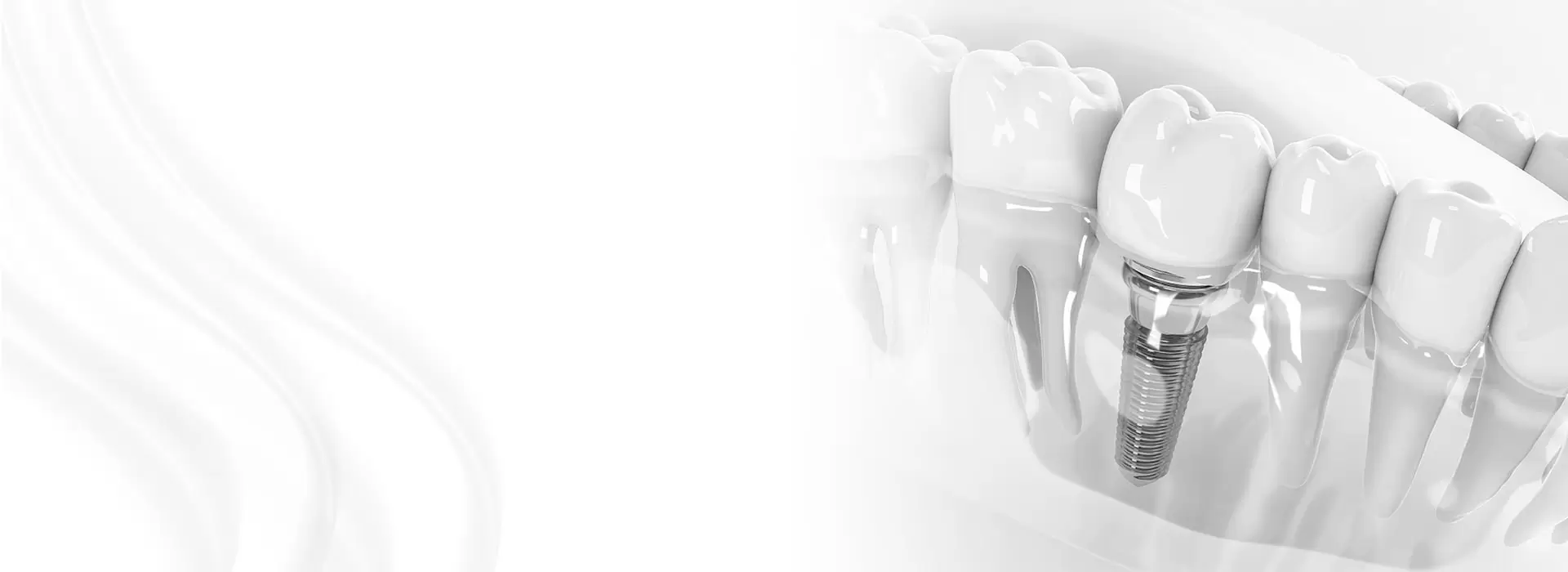
Marginal fit refers to the seal where the crown meets your tooth at the gum line. A gap even a fraction of a millimetre wider than ideal can let bacteria in, leading to decay under the restoration within a few years. High-end labs measure margins using microscopes or digital scanners and aim for gaps under 120 microns, which clinically behaves like a sealed join.
Australian dentists working to Australian Dental Association guidelines routinely evaluate fit with an explorer and bite-checking film. If your dentist struggles to seat a crown easily, or has to grind aggressively at the contact point, the lab likely cut corners on the die trimming or scanning stage. The fix is rarely simple once the restoration arrives from interstate or overseas, so prevention during planning is far cheaper than re-doing the work.
Digital impressions have largely replaced putty moulds in modern clinics, and the best labs accept intraoral scans directly from systems such as TRIOS, iTero, or Medit. When the workflow is fully digital, the room for distortion drops dramatically, and the technician can design margins on-screen with a precision that hand-trimming conventional impressions cannot match. Ask whether your dentist's practice uses these tools and which lab receives the resulting files.
Shade matching and aesthetic communication
Colour matching is more nuanced than picking a tab from a shade guide. Light conditions in the clinic, dehydration of the tooth during the appointment, and the technician's screen calibration all influence the final result. The highest-quality technicians request a clinical photograph of your smile taken in natural daylight, alongside a shaded stump photo if a veneer is being placed over a darkened tooth.
Custom characterisation adds stain, glaze, and occasionally a hand-painted fissure to mimic the surrounding dentition. A lab that returns a restoration looking like a row of identical piano keys has skipped this artistic step. Patients in coastal cities such as the Gold Coast and Cairns often seek ultra-bright Hollywood shades, while those in Hobart and Canberra tend to favour subtler, natural blends, and a flexible lab adjusts to these regional preferences.
When the case involves a single front tooth, demand a try-in stage. The restoration is temporarily placed so you and your dentist can evaluate shape, colour, and phonetics (how it affects your speech) before the lab applies the final glaze. Skipping this step is a red flag for rushed work.
Digital workflows and CAD/CAM craftsmanship
The shift toward computer-aided design and manufacturing has not eliminated craftsmanship; it has raised its ceiling. Skilled technicians still layer porcelain by hand for premium aesthetic cases, but they now do so on frameworks milled to micron-level tolerances. A modern lab should be able to show you digital design previews of your restoration before milling begins.
Multi-layered zirconia blocks from brands such as Katana, IPS e.max ZirCAD, and various German and Japanese ranges allow the technician to build colour depth into the core material itself. Combined with micro-layering of porcelain on the front-facing surface, results approach the lifelike quality once reserved for hand-stacked feldspathic work, while retaining the strength needed for back teeth.
Labs that invest in quality control equipment, such as sintering furnaces with calibrated temperature logs and contact profilometers, produce more consistent outputs. If your dentist cannot tell you the brand of zirconia or pressing system their lab uses, that opacity is worth noting.
Questions worth asking your dentist before treatment begins
A confident clinician welcomes questions about their lab relationships. Treat the consultation as an interview as much as a clinical appointment.
- Which laboratory fabricates your restorations, and where is it located?
- What materials does the lab recommend for my specific case, and why?
- Will I see a digital wax-up or mock-up before final fabrication?
- Does the lab provide a try-in stage for front teeth?
- What warranty does the lab offer on its work, often five years for premium ceramics?
Reputable clinics document their answers and, in many cases, share them in their online resources. TruDent Clinics, for example, publishes detailed posts on their educational blog that walk patients through these decisions step by step, and similar information should be easy to find for any clinic you are considering.
Schedule a consultation with confidence
Once you know how to recognise the markers of excellent prosthetic dentistry, the choice of clinic becomes far less mysterious. Look for a provider who can name their lab, explain the materials suited to your bite and aesthetic goals, and offer a try-in stage before final cementation. These signals reflect a clinic that treats laboratory work as the foundation of every smile it delivers.
If you are exploring treatment options overseas after comparing costs at home, request a written treatment plan, material specifications, and lab credentials before booking flights. A clinic that sends comprehensive documentation unprompted is one that almost certainly applies the same rigour inside the laboratory itself.