How to Improve Your Smile with Minimal Tooth Reduction
A more attractive smile does not always require extensive drilling, aggressive reshaping, or full-coverage crowns. Modern cosmetic dentistry offers conservative techniques that preserve healthy enamel while improving tooth colour, alignment, shape, and proportion. The right choice depends on your dental health, bite, expectations, and the amount of change you want to achieve.
Minimal-preparation dentistry focuses on keeping as much natural tooth structure as possible. Treatments may include professional whitening, composite bonding, enamel contouring, orthodontic alignment, or ultra-thin veneers. In many cases, combining two subtle procedures creates a balanced result with less intervention than a traditional smile makeover.
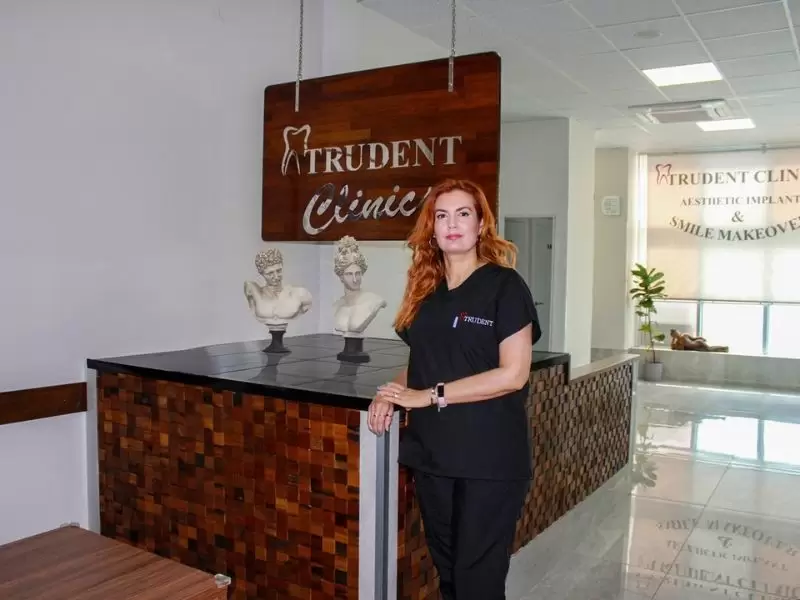
A consultation is essential before selecting a treatment. A dentist can check for decay, gum disease, worn enamel, cracks, bite problems, and tooth sensitivity. At TruDent Clinics, patients can discuss personalized cosmetic and general dentistry plans designed around their oral health and aesthetic goals.
What Conservative Smile Treatment Means
Conservative cosmetic dentistry aims to improve appearance while protecting healthy dental tissue. Instead of removing substantial enamel to place restorations, the dentist first considers whether the desired result can be achieved by adding material, changing tooth position, or treating the surface.
The amount of preparation varies between procedures. Teeth whitening and clear aligners generally require no tooth reduction. Composite bonding may involve little or no enamel removal, while some veneers require slight reshaping to create space. A responsible dentist should explain exactly how much enamel will be affected and whether the treatment is reversible.
Minimal intervention does not mean that every procedure is suitable for every patient. Severe crowding, extensive damage, large fillings, or an unstable bite may require a more comprehensive plan. Preserving tooth structure is important, but so are strength, function, hygiene, and long-term predictability.
Treatments That Preserve Natural Enamel
Professional teeth whitening is one of the simplest ways to refresh a smile without altering tooth structure. It can lighten natural enamel and reduce stains caused by coffee, tea, tobacco, ageing, or certain foods. Whitening does not change the colour of fillings, crowns, or veneers, so existing restorations may need to be considered during treatment planning.
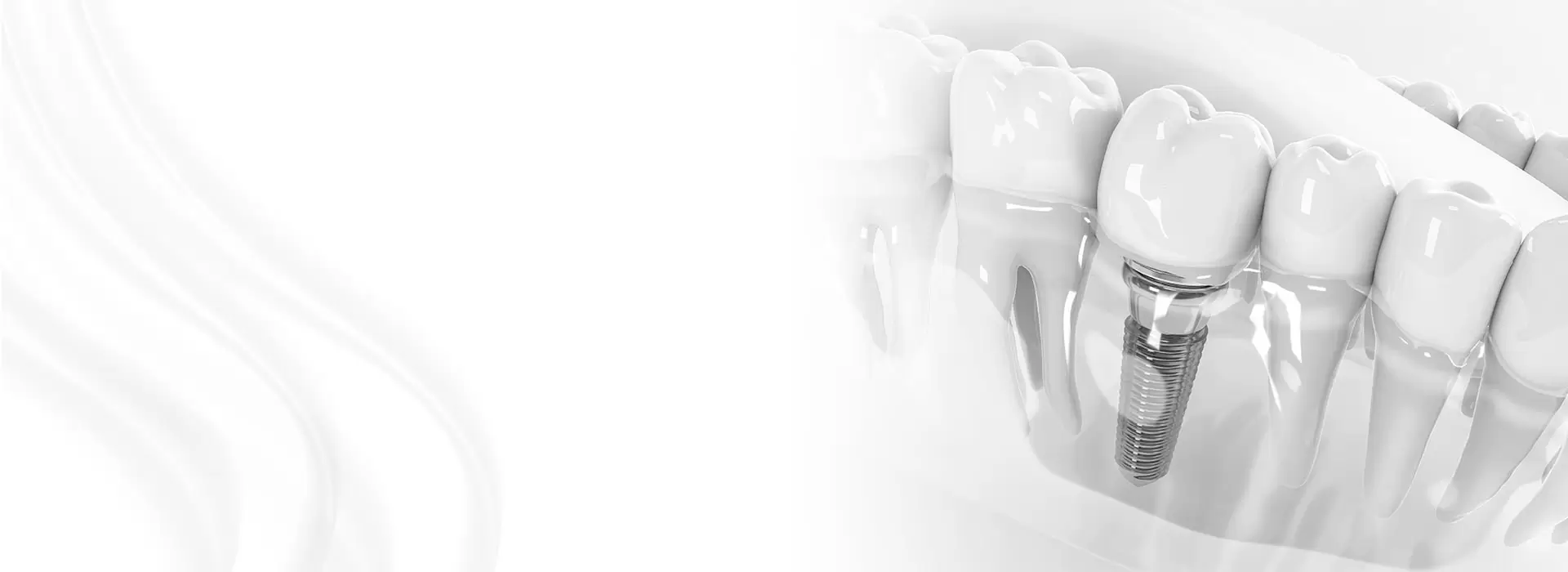
Composite bonding is another conservative option for small chips, gaps, uneven edges, and minor shape concerns. Tooth-coloured resin is carefully applied, sculpted, and polished directly on the tooth. Because bonding is additive, the dentist may be able to improve the appearance without drilling healthy enamel. The material can eventually stain or wear, so maintenance and careful biting habits matter.
For slightly uneven edges or small areas of excessive enamel, enamel contouring may provide a subtle improvement. The dentist removes a very limited amount of enamel to refine the shape. This approach is appropriate only when the adjustment is minor and sufficient enamel will remain. Removing too much can increase sensitivity or weaken the tooth.
Aligning Teeth Before Changing Their Shape
Clear aligners can improve a smile by moving teeth into a better position rather than reshaping them to disguise crowding. They may close small gaps, correct mild rotations, and create a more even arch. Since aligners are removable, patients can maintain normal brushing and flossing routines throughout treatment.
Orthodontic alignment can also reduce the amount of preparation needed for later cosmetic work. For example, a rotated tooth may require substantial reshaping if treated with a veneer alone. Moving it into a healthier position first may allow a thinner restoration, or eliminate the need for one altogether.
Aligners are not suitable for every bite or level of crowding. A thorough assessment may include photographs, digital scans, X-rays, and an evaluation of the gums and jaw joints. Retainers are usually needed after treatment because teeth can gradually shift back toward their original positions.
Comparing Minimal-Preparation Options
Each technique solves a different type of cosmetic concern. The most conservative treatment is not automatically the best treatment; it must provide adequate strength, stability, and visual harmony. Your dentist should consider the condition of each tooth, the relationship between the upper and lower arches, and how much change you want.
| Treatment |
Tooth Reduction |
Best For |
Main Consideration |
| Professional whitening |
None |
Staining and overall dullness |
Does not change fillings or tooth shape |
| Clear aligners |
None |
Mild crowding, gaps, and rotations |
Requires consistent wear and retainers |
| Composite bonding |
Little or none |
Small chips, gaps, and shape changes |
May need polishing or replacement over time |
| Enamel contouring |
Very limited |
Minor uneven edges or excess enamel |
Only suitable when enough enamel remains |
| Minimal-prep veneers |
Usually slight |
Persistent colour, shape, or proportion concerns |
Requires careful bite and enamel assessment |
| Traditional crowns |
Significant in many cases |
Severely damaged or weakened teeth |
More invasive and generally not a first choice for healthy teeth |
Minimal-preparation veneers can be useful when whitening, bonding, or orthodontics cannot achieve the desired appearance. They are made from thin porcelain or a similar ceramic and bonded to the front surface of the tooth. The phrase “no-prep” should be interpreted carefully, because some teeth still need minor adjustment to avoid an over-contoured result.
Planning A Natural-Looking Smile
A successful smile makeover is based on proportion rather than making every tooth look identical. The dentist may assess tooth width, length, gum display, facial features, lip movement, and the way the teeth show when you speak and smile. This helps create a result that looks balanced instead of artificial.
Digital photographs and mock-ups can help you understand the proposed changes before treatment begins. A temporary preview or diagnostic wax-up may show how bonding or veneers could affect tooth length and smile design. These planning tools are especially valuable when several teeth will be treated.
Your existing bite should guide the design. If you grind your teeth, clench your jaw, or have a deep bite, thin restorations may be exposed to excessive pressure. In some situations, treating the bite or managing bruxism is necessary before cosmetic dentistry. A protective night guard may help preserve bonding, veneers, and natural enamel after treatment.
Protecting Results After Treatment
Conservative dentistry still requires consistent oral care. Brush twice daily with fluoride toothpaste, clean between the teeth, and attend regular hygiene appointments. Healthy gums create a more attractive frame for the smile and help prevent recession around cosmetic restorations.
Avoid using treated teeth to open packaging, bite fingernails, or crack hard objects. Bonding and thin ceramic restorations can chip under sudden force, even when the underlying tooth is healthy. If you grind at night, tell your dentist so a suitable occlusal guard can be considered.
- Choose whitening when colour is the primary concern and tooth shape is already satisfactory.
- Consider aligners before veneers if crowding or rotation contributes to the appearance of uneven teeth.
- Ask whether composite bonding can address small gaps or chips without removing enamel.
- Request a clear explanation of preparation, reversibility, material lifespan, and maintenance.
- Treat gum disease, decay, sensitivity, or bite problems before cosmetic procedures.
Choosing The Right Level Of Treatment
The best conservative smile plan may involve a staged approach. Whitening can be completed first, followed by bonding or alignment if small imperfections remain. This prevents unnecessary treatment and gives you an opportunity to evaluate each improvement before proceeding further.
Veneers or crowns should not be selected solely because they produce a quick visual change. Crowns are generally designed for teeth that are weakened, heavily restored, fractured, or severely worn, rather than healthy teeth with minor cosmetic concerns. Veneers may be appropriate for selected cases, but their preparation and long-term care should be fully discussed.
Look for a clinic that combines aesthetic dentistry with general dental assessment. The dentist should inspect your enamel, gums, bite, and existing restorations rather than focusing only on photographs. A personalized plan can then balance appearance, function, durability, and preservation of natural tooth structure.
Schedule a consultation with TruDent Clinics to explore a smile enhancement plan based on your teeth, bite, and priorities. With the right diagnosis and a measured treatment approach, you can achieve a brighter, more even smile while keeping healthy enamel at the centre of the decision.