Keeping your smile white with Turkish coffee and tea
If you are wondering how to keep your smile white while enjoying Turkish coffee and tea, the answer lies in managing the pigments and acids in every cup. Turkish coffee is dark and concentrated, while Turkish tea is usually brewed dark; both can leave chromogen stains on enamel. A sensible routine can reduce these marks without giving up the ritual that makes breaks so satisfying.
Whitening changes the colour of natural teeth, but it does not make them stain-proof. Coffee, tea and other coloured drinks can still alter the shade, especially if they are sipped slowly throughout the morning. Fluoride toothpaste, regular flossing, dental cleans and the right whitening method work together, so the goal is a comfortable, maintainable smile rather than an unrealistic permanent shade.
A dentist can look for the causes behind discolouration, including plaque, tartar, enamel wear and existing restorations. That matters because surface stains may respond to professional cleaning or bleaching, while a deeper colour change may need a different plan. Personal habits, sensitivity and the condition of your teeth should guide the next step.
Why coffee and tea stain teeth
Coffee and tea stains are not usually a sign that a tooth is unhealthy. They are deposits of colour-producing molecules, often called chromogens, that lodge in tiny irregularities on the enamel surface. Turkish coffee has a rich, dark colour and little or no milk to dilute it; Turkish tea can also be strongly brewed. The longer a drink remains in contact with the teeth, the more noticeable the discolouration may become.
Acid exposure plays a separate role. Coffee and tea can temporarily soften the enamel surface, making it easier for plaque and abrasive brushing to wear it down. Whitening systems may increase temporary sensitivity, so maintaining enamel and gum health is important before pursuing a brighter shade. Good oral hygiene removes plaque, while a professional clean removes tartar that brushing cannot reach.
Coffee habits across Australian cities
Daily routines differ across Australia, but the staining pressure is familiar. Sydney and Melbourne office workers often move between a flat white, long black, cappuccino or takeaway iced coffee, sometimes sipping continuously at a desk. In Brisbane, warm weather encourages iced coffee and iced tea through the afternoon. These patterns matter more than the label on a drink: small, slow, repeated servings expose teeth for longer than a quick coffee with breakfast.
Australian consumers can choose from dentist-supervised whitening, pharmacy or supermarket home kits, and products sold online, so the local market offers convenience alongside varying quality. Depending on the ingredients and claims, a whitening product may fall under Therapeutic Goods Administration oversight and need inclusion on the Australian Register of Therapeutic Goods. The Australian Consumer Law also makes misleading efficacy claims unlawful, while state dental boards regulate professional care. Checking registration and asking a dentist for advice is more reliable than judging a box by its promises.
Everyday habits for a brighter smile
A useful daily routine starts with how you order. When choosing a coffee or tea, consider these practical options:
- Choose a smaller serving when you want the flavour without a long, warm contact period.
- Add milk to dilute some pigments, and reduce syrups or sugar that can feed plaque.
- Use a straw for iced tea or cold coffee so the drink passes more quickly over the front teeth.
- Keep a glass of plain water beside the cup and sip it during the break.
After drinking, use this short clean-up routine:
- Rinse your mouth with plain water to wash away loose colour particles.
- Wait about 30 minutes before brushing if the drink was acidic, allowing saliva to remineralise the enamel.
- Brush twice daily with fluoride toothpaste and clean between the teeth once a day.
- Keep up with scheduled dental checks and cleans so plaque and tartar do not set the tone for your smile.
For a broader home-care checklist, preventive dental guidance can complement this simple routine. Avoid charcoal powders, abrasive whitening pastes and baking-soda scrubbing; these methods can wear enamel and make discolouration harder to correct over time. Very hot drinks should never be sipped through a straw.
Choosing a safe whitening approach
Professional whitening may be offered in the chair, through custom take-home trays or through a dentist-directed maintenance gel. Peroxide-based products release oxygen that breaks down stains within and on the tooth, but the appropriate concentration, contact time and frequency depend on enamel condition, gum health and sensitivity. A dentist can also take a baseline shade so improvement can be judged properly and adjust treatment if sensitivity develops.
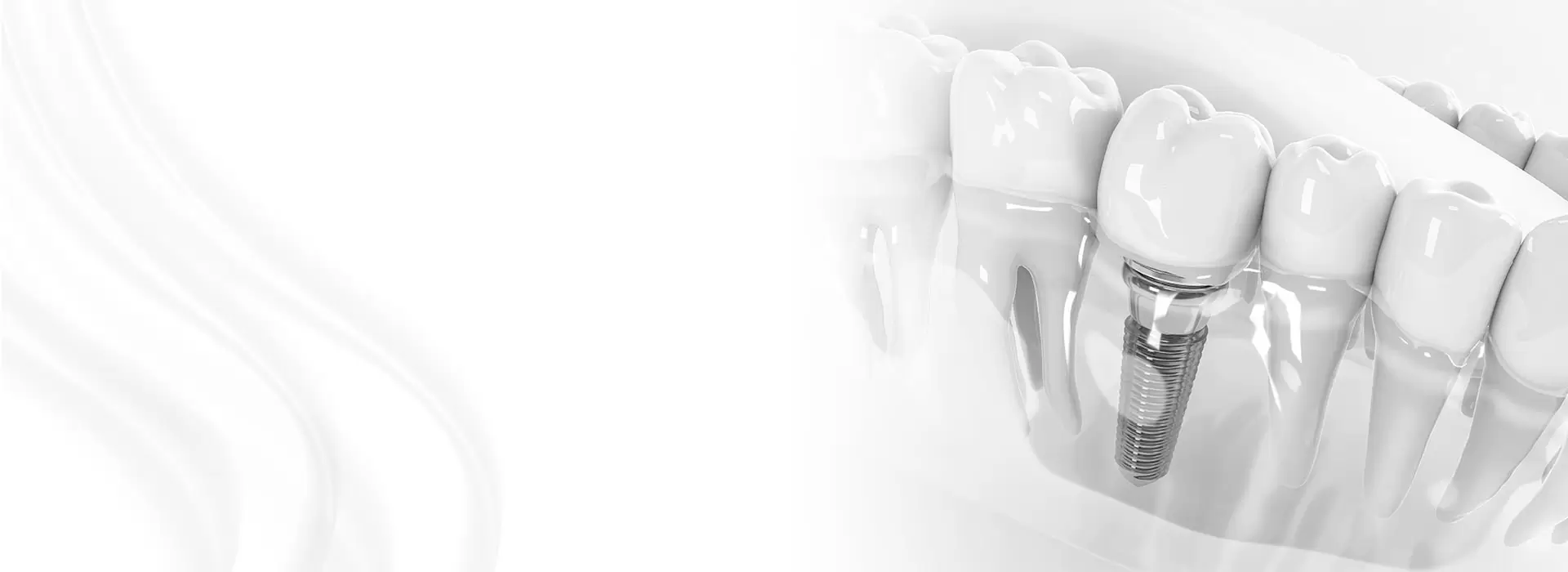
Results are limited when the discolouration comes from inside the tooth, a dead nerve, fluorosis or heavy enamel wear. Veneers, crowns, fillings and dental implants do not bleach like natural enamel, so whitening natural teeth before restorative work helps the dentist match the new shade. If you already have veneers or crowns, their colour will remain unchanged, and the surrounding natural teeth may gradually look different.
Building a personalised dental plan
A useful whitening consultation begins with more than a colour chart. The dentist checks for decay, cracked enamel, gum inflammation, plaque, tartar and worn edges, then reviews existing dental work and any sensitivity. Removing surface deposits through a professional clean may brighten the appearance, although cleaning itself does not bleach embedded stains. This assessment keeps cosmetic goals aligned with oral health.
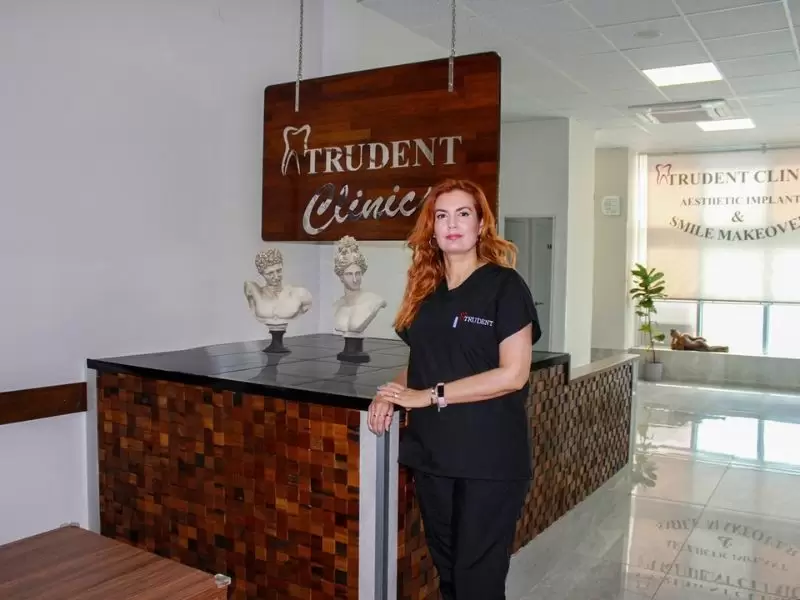
A personalised plan can set sensible intervals for whitening, polishing and routine preventive care while accounting for your usual coffee and tea intake. At TruDent Clinics in Izmir, cosmetic options such as veneers, crowns, clear aligners and dental implants are considered as part of the wider smile rather than as an isolated colour change. That broader view is useful when appearance, function and long-term oral health need to remain in balance.
Smile care for trips to Izmir
For Australians travelling from Sydney or Melbourne to Izmir, a dental holiday can fit neatly around a city break, but treatment should be planned before departure. TruDent Clinics’ Izmir smile makeover guide explains how consultations, treatment dates and recovery can be coordinated with travel. Ask how long you may need to recover, which aftercare products will be supplied and what should happen if a temporary restoration or bonded veneer feels uncomfortable.
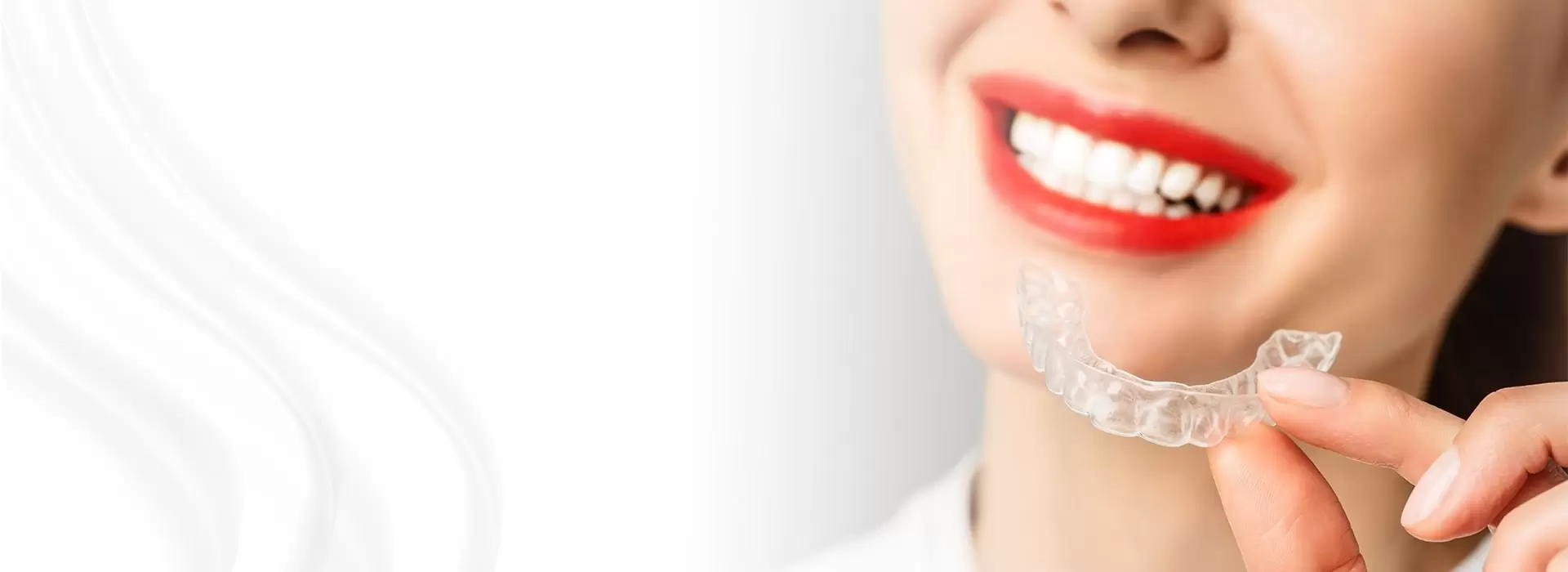
Keep the same stain-control habits while abroad: request less tea or coffee at strong settings, rinse with water and avoid aggressive cleaning around sensitive teeth. Porcelain veneers and crowns are generally resistant to staining, but the bonding at their edges and neighbouring natural teeth still need attention. If you wear aligners, remove the trays before drinking and brush your teeth before putting them back in. A professional whitening plan should also account for how tooth movement affects the fit of those trays.
Start by booking a consultation with TruDent Clinics in Izmir and requesting an assessment of staining, enamel condition and existing dental work. You will receive a plan that can combine whitening, preventive care and restorative options where appropriate, with clear guidance for maintaining results between appointments.
Contact the clinic to arrange your appointment, discuss any sensitivity or maintenance concerns, and leave with a practical routine for keeping your smile bright on your next coffee break.