How to keep your teeth white after Invisalign treatment
Finishing Invisalign can make your smile look straighter, fresher and more balanced, but clear aligners do not permanently prevent staining. Coffee, tea, red wine, curry, smoking and everyday plaque can gradually affect the colour of your teeth after treatment. A simple maintenance routine helps protect your results and keeps your smile looking bright.
For patients in Australia, this often means working whitening care around busy routines, café habits and outdoor social life. Whether you completed treatment in Sydney, Melbourne, Brisbane or overseas, the best approach combines professional advice, careful cleaning and realistic expectations about natural tooth colour.
Start with a professional colour check
Your teeth may appear slightly dull or uneven immediately after Invisalign because the enamel can be temporarily dehydrated when the aligners are removed. Attachments may also have left subtle differences in shade between covered and exposed areas. It is sensible to wait until your dentist confirms that the enamel and gums are healthy before beginning a whitening programme.
A dental examination can identify plaque build-up, cavities, gum inflammation, cracked fillings or enamel wear that may make bleaching uncomfortable. Whitening will not correct decay or change the colour of crowns, veneers, fillings or bonding. Checking these factors first helps you choose a treatment that gives an even result rather than highlighting existing differences.
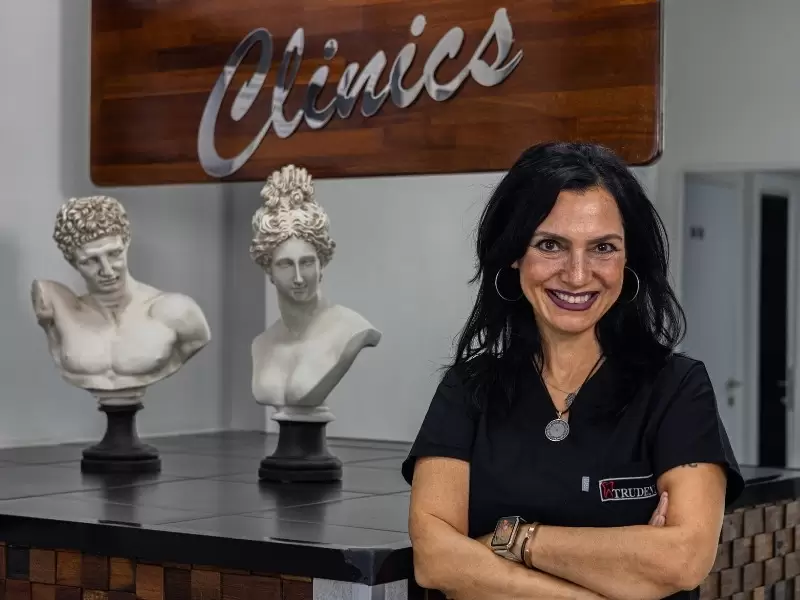
A personalised consultation is especially useful if you are considering professional bleaching, cosmetic bonding or a smile makeover after orthodontic treatment. You can discuss your goals with Dr Kayra Yildirim, who can assess your teeth and help plan suitable aesthetic care at TruDent Clinics.
Choose whitening that suits your enamel
Professional teeth whitening generally uses peroxide-based products to lift stains from the enamel. Your dentist may recommend in-chair whitening for a faster change or custom trays for gradual home whitening. Custom trays are shaped to your teeth, which helps distribute the gel evenly and reduces the chance of it touching your gums.
Over-the-counter whitening strips can be useful for some people, but they may not fit evenly, and results can vary. Whitening toothpaste usually removes surface stains rather than changing the deeper shade of the tooth. Charcoal powders, lemon juice and abrasive home mixtures are poor substitutes for dental care because they can wear enamel or irritate soft tissues.
Sensitivity is one of the most common short-term effects of bleaching. Use the product exactly as directed, avoid leaving gel on for longer and tell your dentist if you already experience sharp pain with cold foods. A desensitising toothpaste containing fluoride or potassium nitrate may help, although persistent discomfort needs professional assessment.
Build habits around Australian daily life
Coffee is a major part of the daily routine for many Australians, whether it is a flat white on the way to work in Melbourne or a takeaway long black in Sydney. Tea, cola and red wine can also darken the teeth over time. You do not necessarily need to eliminate these drinks, but reducing how often you sip them helps limit repeated exposure to staining compounds.
When possible, drink staining beverages with a meal rather than slowly nursing them throughout the morning. Rinsing with water afterwards is helpful, and using a straw for iced drinks can reduce contact with the front teeth. Wait around 30 minutes before brushing after acidic drinks, as brushing immediately can be harsh on softened enamel.
Australia’s climate also makes hydration practical for oral health. Carrying a water bottle during a hot day in Perth, Adelaide or Queensland supports saliva flow and helps wash away food particles. Water is preferable to frequent sports drinks or soft drinks, which can add both sugar and acid to your routine.
Protect your result with consistent cleaning
Brush twice a day for two minutes with a soft-bristled toothbrush and fluoride toothpaste. Pay attention to the gumline and the small areas between teeth where plaque can make a smile look darker. Interdental brushes or floss can remove build-up that ordinary brushing misses, particularly if you have crowded areas or retainers.
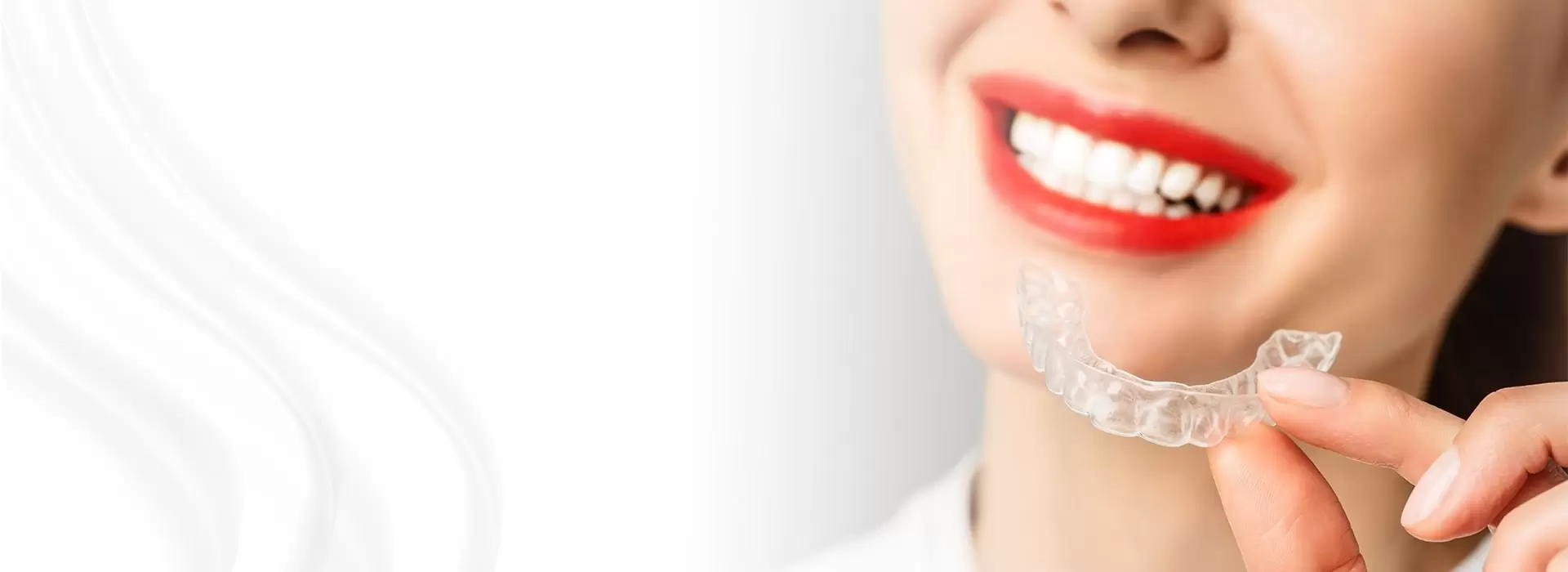
Your removable retainers should be cleaned regularly as well. Rinse them with cool or lukewarm water when you take them out, brush them gently with a separate soft brush and use a cleaning product recommended by your dental team. Hot water can distort the plastic, while toothpaste may scratch the surface and make it look cloudy.
Retainers should be worn according to your orthodontist’s instructions. They preserve alignment, but they are not whitening trays unless a dentist has specifically designed them for that purpose. Never place bleaching gel inside a retainer without guidance, as excess product can irritate the gums and may not spread evenly across your teeth.
Maintain brightness without overdoing it
Once you have reached your preferred shade, occasional maintenance may be enough. Some people need a short top-up every few months, while others only refresh their colour once or twice a year. The right timing depends on your diet, smoking status, enamel condition and the type of whitening originally used.
Healthy food choices support the appearance of your smile, although no diet can prevent all staining. Crunchy fruit and vegetables can encourage saliva flow, while frequent snacking on sticky or sugary foods gives plaque more opportunity to build up. After meals away from home, chewing sugar-free gum can be a convenient option until you can brush properly.
Professional cleaning can remove external stains from coffee, tea and tobacco, making the teeth look brighter without additional bleaching. If your colour is changing quickly, or one tooth is becoming noticeably darker, book an examination rather than repeatedly whitening at home. A single dark tooth can sometimes indicate an old injury or an internal dental problem.
For patients travelling from Australia to Turkey for dental treatment, planning follow-up care matters. Ask for clear instructions about whitening, retainer use and any future check-ups before returning home. Australian dentists can continue routine monitoring, while your original clinic can advise on the specific materials and procedures used during your treatment.
A bright smile after Invisalign is easier to maintain when care is personalised to your enamel, lifestyle and dental work. Schedule a consultation with TruDent Clinics to discuss safe whitening, retainer care and a long-term plan for keeping your newly aligned smile healthy and fresh.