How to Know If You Are a Candidate for Dental Implants Without Surgery
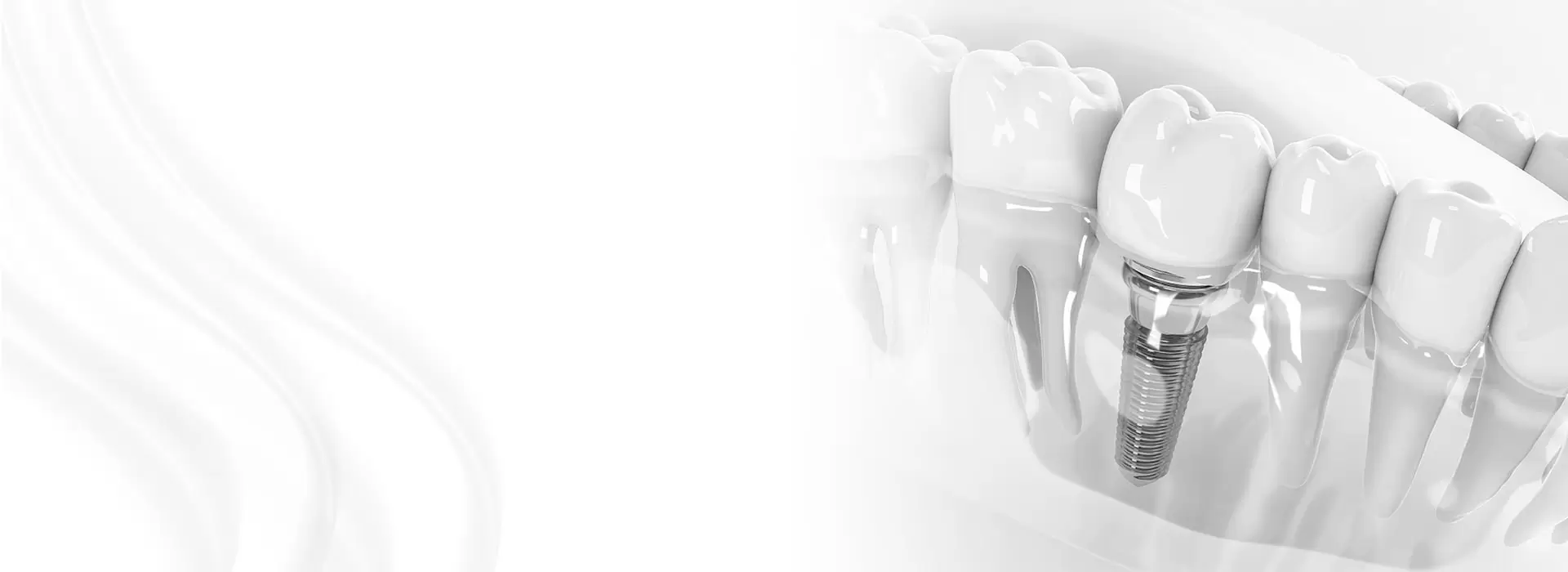
Dental implants are often described as a long-term replacement for missing teeth, but the phrase “without surgery” can cause confusion. A dental implant is placed into the jawbone through a procedure, so a completely non-surgical implant does not currently exist. However, some patients may qualify for a less invasive approach, flapless placement, or treatment that avoids bone grafting.
The right option depends on your bone volume, gum health, medical history, bite, and expectations. A remote assessment may provide useful guidance, but a dentist must examine your mouth and review three-dimensional imaging before confirming whether implant treatment is suitable.
For Australians considering care in Izmir, Turkey, planning should include both the treatment itself and the follow-up journey. Travel time, future maintenance, communication with your local dentist, and the credentials of the treating clinic all matter when comparing implant providers.
What “without surgery” can mean
Some people use “dental implants without surgery” to describe immediate implant placement after an extraction. Others may mean a flapless technique, where the dentist makes a small opening in the gum rather than lifting a larger gum flap. In suitable cases, this can reduce tissue disruption, swelling, and recovery time.
A further possibility is an implant plan that avoids bone grafting. If your jaw has enough width and height, the dentist may be able to place an implant directly into the existing bone. This does not remove the surgical element, but it may make the treatment simpler and shorten the overall timeline.
It is important to be cautious about advertisements promising implants with no operation, no healing, or guaranteed results. A reliable clinic will explain what procedure is involved, how many appointments are needed, what type of anaesthesia is used, and which risks apply to your case.
Bone and gum health are central
Adequate jawbone is essential because the implant needs stable support while it integrates with the surrounding bone. Tooth loss can cause gradual bone resorption, particularly when a tooth has been missing for several years. A dentist may use a CBCT scan to assess bone density, nerve positions, sinus proximity, and the best implant position.
Healthy gums are equally important. Active gum disease, untreated decay, infection, or poor oral hygiene can reduce the chance of successful implant integration. If you have bleeding gums or loose teeth, periodontal treatment may need to come first.
A patient with limited bone is not automatically excluded. Options can include bone grafting, sinus elevation, narrower implants, angled implants, or a different tooth replacement such as a bridge or denture. The safest recommendation depends on anatomy rather than a general promise that treatment can be completed in one visit.
Medical factors that affect eligibility
Many adults with well-controlled health conditions can receive implants, but your dentist needs a complete medical history. Diabetes, osteoporosis, immune disorders, previous radiotherapy to the jaw, and some medications may affect healing or infection risk. Blood sugar management is particularly important for people with diabetes.
Smoking and vaping can also compromise blood supply and delay healing. Some patients may be asked to stop or reduce these habits before and after implant placement. Heavy alcohol use, untreated bruxism, and inconsistent oral hygiene may also need attention before a permanent restoration is fitted.
Medication is relevant too. Patients taking antiresorptive medicines, blood thinners, or long-term steroids should never stop them without medical advice. Your dentist may coordinate with your GP or specialist to assess the safest timing and any required precautions.
Signs you may be a suitable candidate
You may be a reasonable candidate for a minimally invasive implant approach if you have one or more missing teeth, sufficient healthy bone, stable gums, and a bite that can be managed without excessive force on the restoration. A commitment to regular brushing, interdental cleaning, and professional check-ups is also essential.
Age alone does not usually decide eligibility. A healthy older adult may be a better candidate than a younger person with active gum disease, uncontrolled diabetes, or inadequate bone. The dentist will consider growth status in younger patients and overall healing capacity in older patients.
Your expectations should be realistic. Implants can restore chewing function and appearance, but they are not identical to natural teeth and can still develop complications. A consultation may also reveal that a crown, bridge, removable denture, or orthodontic treatment is more suitable.
If you are unsure whether you need an implant specialist, a general dentist, or a cosmetic provider, learning about the difference between general and cosmetic dentistry can help you understand which professional may coordinate each stage of care.
What an assessment should include
A proper implant consultation normally includes a review of your dental and medical history, an examination of your gums and bite, photographs or digital scans, and radiographic imaging. The dentist should discuss the implant brand, proposed restoration, estimated healing period, anaesthesia, maintenance, and possible complications.
Ask whether the plan involves immediate placement, delayed placement, bone augmentation, a temporary tooth, or a conventional surgical approach. “Minimally invasive” should be explained in practical terms rather than used as a broad marketing phrase.
Treatment planning is especially important when travelling from Australia to Turkey. You may need time in Izmir for assessment, surgery, temporary teeth, and review appointments. Before travelling home, ask for copies of your scans, implant records, clinical notes, invoices, and restoration details so an Australian dentist can provide future care.
Australian considerations before travelling
Patients from Melbourne, Sydney, Brisbane, Perth, Adelaide, and regional areas should arrange a local dental examination before booking overseas treatment. Your regular dentist can identify gum disease, decay, bite problems, or medical issues that may change the plan. A second opinion can also help you compare a Turkish quotation with the total cost of treatment at home.
Australian patients should verify that any dental practitioner involved in their care is appropriately registered. The Australian Health Practitioner Regulation Agency and the Dental Board of Australia provide registration information for practitioners working in Australia. Australian consumer and health regulations do not automatically govern treatment performed overseas, so ask the overseas clinic about its licensing, infection-control procedures, consent process, and complaints pathway.
Think about everyday habits after treatment. Australians may need to return to work, fly between cities, manage long driving distances, or attend follow-up appointments around school and public-holiday schedules. Carrying hard or chewy foods during travel, smoking after placement, or missing a review appointment can interfere with recovery.
Implant dentistry is not generally covered in full by Medicare, and private health insurance limits vary. Before paying a deposit, request an itemised quote that separates consultation, imaging, extraction, implant placement, abutment, crown, medication, temporary teeth, accommodation, and any follow-up care. Avoid making a decision based only on a low headline price.
A consultation at TruDent Clinics can help determine whether you are suitable for a minimally invasive implant plan or whether another treatment would protect your oral health more effectively. Bring your medication list, recent dental records, and any scans you have available, and ask for a personalised plan that explains each stage clearly.
If an implant is recommended, confirm the proposed timeline and aftercare before travelling. If you are not a candidate at present, gum treatment, smoking cessation, improved diabetes control, or bone management may improve your options later. Book an assessment with a qualified dentist and make the decision based on your health, anatomy, and long-term care needs rather than on the promise of avoiding every surgical step.