How to know if invisible aligners are right for your smile
Invisible aligners have changed the way many people approach orthodontic treatment. Instead of fixed metal brackets, they use a series of transparent, removable trays to guide teeth into improved positions. They can be an appealing option for adults and teenagers who want a discreet way to address crowding, spacing, or certain bite concerns.
Still, clear aligners are not suitable for every smile. Candidacy depends on the position of your teeth, the health of your gums and jawbone, your bite, and your ability to follow the treatment schedule. A consultation with a qualified dentist or orthodontic provider is the most reliable way to determine whether aligner therapy can achieve your goals.
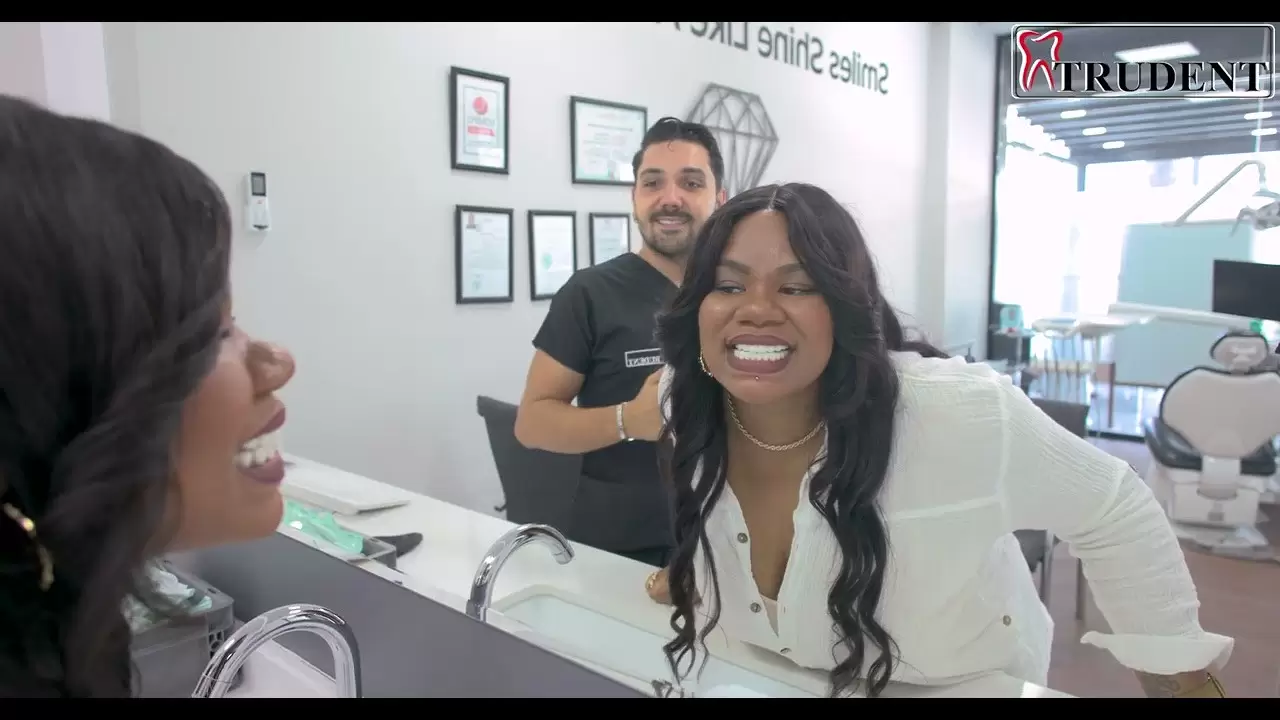
At TruDent Clinics in Izmir, Turkey, an assessment can combine your concerns, clinical examination, digital records, and treatment objectives. This helps create a personalized plan rather than choosing aligners based only on photographs or an online questionnaire.
Dental concerns that aligners can address
Invisible aligners are often effective for mild to moderate crowding. If your teeth overlap because there is not enough room in the dental arch, a sequence of carefully designed trays may gradually create space and move the teeth into a more even arrangement. Minor rotations and tilted teeth can also respond well in suitable cases.
Spacing is another common reason people seek clear orthodontic treatment. Gaps between the front teeth or throughout the dental arch may be reduced as the trays guide teeth closer together. Some patients also use aligners to improve a mild overbite, underbite, or crossbite, although the complexity of the bite determines whether aligners alone are sufficient.
Aligners may also be helpful when teeth have shifted after previous orthodontic treatment. In these cases, the required correction may be relatively limited. Your provider must still check the underlying bite and the condition of any existing dental work before recommending a retainer or a new course of treatment.
Oral health comes before tooth movement
Healthy teeth and gums are an important part of clear aligner candidacy. Untreated cavities, active gum disease, significant inflammation, or dental infections should generally be managed before orthodontic movement begins. Moving teeth while an oral health problem is active may increase discomfort or complicate treatment.
A dental examination may include an assessment of gum pockets, tooth surfaces, existing fillings, crowns, and the supporting bone. X-rays can help identify issues that are not visible during a routine visual check, such as hidden decay, shortened roots, impacted teeth, or bone concerns.
This does not automatically exclude you from aligner treatment. It may simply mean that you need fillings, professional cleaning, gum treatment, a replacement restoration, or another procedure first. Completing these steps can create a safer foundation for predictable tooth movement.
Your habits affect the result
Clear aligners are removable, but that flexibility comes with responsibility. In many treatment plans, trays need to be worn for approximately 20 to 22 hours per day and changed according to the prescribed schedule. They are usually removed for eating, drinking anything other than water, and brushing.
Patients who frequently forget their trays, leave them out for long periods, or change them without professional guidance may experience slower progress or an inaccurate fit. Treatment can also take longer if a tray is lost and the teeth begin to move back toward their previous positions.
Good hygiene is equally important. Teeth should be brushed before putting aligners back in whenever possible, and the trays should be cleaned as instructed. Eating while wearing them can trap food and create an environment that contributes to staining, bad breath, or tooth decay.
| Factor |
Usually favorable for aligners |
May require another approach or preparation |
| Crowding |
Mild or moderate overlap |
Severe crowding or major arch-size limitations |
| Spacing |
Small to moderate gaps |
Large gaps linked to missing teeth or gum problems |
| Bite |
Mild overbite, underbite, or crossbite |
Complex jaw discrepancies or severe bite imbalance |
| Oral health |
Healthy teeth and stable gums |
Untreated decay, infection, or active periodontal disease |
| Age |
Mature teenagers and adults with suitable dental development |
Very young patients whose teeth and jaws are still changing significantly |
| Commitment |
Able to wear trays consistently and attend reviews |
Frequent missed wear time or difficulty following instructions |
| Dental restorations |
Stable fillings, crowns, or implants assessed in advance |
Unstable restorations or treatment requiring major restorative work |
Situations that may limit aligner treatment
Severe crowding, large tooth rotations, significant jaw discrepancies, and complex bite problems may be difficult to correct with clear trays alone. Some cases require fixed braces, tooth extraction, temporary anchorage devices, jaw surgery, or a combination of treatments. An experienced provider will explain these possibilities before treatment begins.
Large restorations can also affect the plan. Crowns, bridges, veneers, and dental implants do not move in the same way as natural teeth. An implant, for example, is fixed in the jaw and cannot be repositioned with an aligner. The surrounding natural teeth may still move, but the treatment must be designed around the implant’s location.
People with habits such as persistent nail biting, chewing objects, or grinding may need additional guidance. These behaviors can damage trays or place extra stress on teeth. If you have jaw pain, clicking, headaches, or signs of teeth grinding, mention them during your assessment so the provider can consider your bite and temporomandibular joint health.
What happens during a candidacy assessment
The assessment begins with a discussion about what you want to change. You may be concerned about crooked front teeth, gaps, bite discomfort, relapse after braces, or the appearance of your smile. Understanding your priorities helps the dentist distinguish between a cosmetic adjustment and a problem that may need broader orthodontic or restorative care.
The provider will examine your teeth, gums, bite, and facial symmetry. Digital scans, photographs, and dental X-rays may be used to map tooth positions and evaluate the supporting structures. These records can show whether the planned movement is realistic and whether attachments, interproximal reduction, elastics, or another technique may be needed.
A digital simulation can illustrate the expected direction of movement, but it is an estimate rather than a guarantee. Biological response varies between individuals, and refinements may be needed if teeth do not track exactly as planned. You should receive information about the expected duration, appointment schedule, retainer requirements, and total treatment cost before deciding.
Questions worth asking before you start
A consultation is also an opportunity to understand what is included in your plan. Ask who will supervise the treatment, how often your progress will be reviewed, and what happens if a tray does not fit or is lost. Clear answers can help you assess whether the care model suits your schedule and expectations.
You should also ask how your existing dental work will affect the result. If you have fillings, crowns, veneers, missing teeth, gum recession, or previous orthodontic treatment, these details can influence the design of your aligners. A provider may recommend treating a dental issue first or coordinating orthodontic movement with restorative dentistry.
Practical steps for a successful aligner journey
- Arrange a full dental and orthodontic assessment rather than relying on an online eligibility check.
- Treat cavities, gum inflammation, infections, or unstable restorations before beginning tooth movement.
- Plan how you will wear your trays during work, travel, meals, and social events.
- Clean your teeth and aligners consistently to protect your oral health throughout treatment.
- Keep follow-up appointments and use retainers after active treatment to help preserve the result.
Make an informed choice for your smile
You may be a strong candidate for invisible aligners if your teeth have mild to moderate alignment or spacing concerns, your gums and teeth are healthy, and you can wear the trays consistently. More complicated cases do not always rule out discreet orthodontic treatment, but they may require attachments, elastics, additional procedures, or an alternative method.
TruDent Clinics can evaluate your smile in Izmir and discuss whether clear aligners fit your dental needs, lifestyle, and aesthetic goals. Schedule a consultation to receive a personalized assessment and a treatment plan based on your smile rather than a general eligibility checklist.