How to Know If You Are a Candidate for Veneers
Veneers can transform the appearance of teeth affected by discoloration, chips, uneven edges, gaps, or mild shape concerns. These thin shells are bonded to the front surfaces of teeth to create a more balanced and uniform smile. However, cosmetic suitability depends on more than wanting a brighter or straighter-looking smile.
A proper assessment considers your enamel, gums, bite, oral hygiene, expectations, and the condition of each tooth. A dentist may also recommend other treatments, such as whitening, bonding, crowns, or aligners, if they offer a safer or more suitable result.
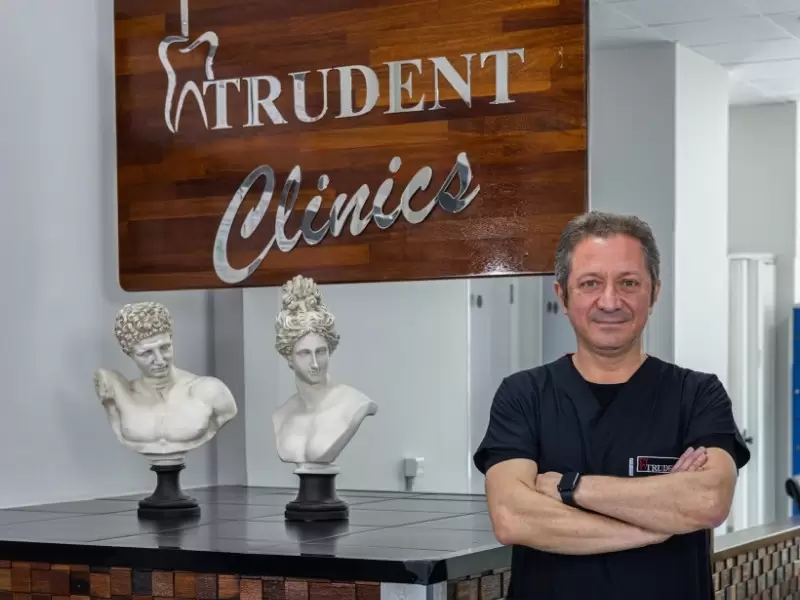
At TruDent Clinics in Izmir, Turkey, veneer consultations are designed around the patient’s dental needs and aesthetic goals. A personalized treatment plan can clarify whether porcelain or composite veneers are appropriate and what preparation, maintenance, and investment they may involve.
What Veneers Can Correct
Veneers are commonly used to improve teeth with persistent stains that do not respond sufficiently to professional whitening. They may also disguise small chips, worn edges, minor cracks, irregular contours, and slight differences in tooth size. When several teeth are treated together, veneers can support a cohesive smile makeover.
They can sometimes reduce the visible appearance of small gaps or mild crowding, although they do not move teeth in the same way as orthodontic treatment. Invisible aligners may be a better option when tooth position, bite, or spacing requires correction before cosmetic enhancement.
The material and design also affect the result. Porcelain veneers are known for their natural translucency and durability, while composite veneers may require less preparation and can often be repaired more easily. Your dentist can compare both approaches after examining your smile and discussing your priorities.
Oral Health Comes First
Healthy teeth and gums are the foundation for successful cosmetic dentistry. Untreated decay, gum disease, active infections, or significant enamel damage may prevent immediate veneer placement. These conditions should be treated first so that the restorations have a stable and healthy environment.
A dental examination may include checking for cavities, gum inflammation, enamel thickness, existing fillings, tooth wear, and signs of infection. Your dentist will also assess whether the teeth can support veneers and whether the planned result would affect your bite.
If you have sudden pain, swelling, trauma, or a broken tooth, cosmetic treatment should usually wait until the urgent problem is managed. In that situation, arranging urgent dental care can protect your oral health and help determine the next appropriate step.
Signs You May Be Suitable
You may be a good candidate if your teeth and gums are generally healthy, you have realistic expectations, and your cosmetic concerns involve the visible front surfaces of your smile. Veneers are most predictable when the underlying teeth are strong enough to support the bonding process.
A stable bite is also important. People who regularly clench or grind their teeth may need an evaluation for enamel wear and jaw strain before proceeding. In some cases, a night guard can help protect restorations after treatment, while severe bite problems may require another dental solution.
| Consideration |
Favourable Sign |
What May Need Attention |
| Tooth health |
Little or no untreated decay |
Cavities, infection, or large weakened areas |
| Gum condition |
Firm, healthy gums |
Bleeding, swelling, or periodontal disease |
| Enamel |
Adequate enamel for bonding |
Severe erosion or extensive damage |
| Bite |
Comfortable and relatively stable bite |
Heavy grinding, clenching, or malocclusion |
| Smile goals |
Desire to refine colour, shape, or minor spacing |
Expectation of major tooth movement |
| Oral hygiene |
Consistent brushing, flossing, and check-ups |
Irregular home care or frequent plaque buildup |
| Expectations |
Understanding that veneers need care and eventual replacement |
Expecting permanent, maintenance-free results |
Age can also be relevant. Dentists generally prefer to wait until dental development is complete, although the right timing depends on the individual. Younger patients with healthy teeth may be offered more conservative alternatives when appropriate.
When Another Treatment May Be Better
Veneers are not a universal solution for every smile concern. If teeth are severely weakened, heavily restored, or affected by extensive structural loss, dental crowns may provide better coverage and support. A crown surrounds more of the tooth, while a veneer mainly covers the visible front surface.
For general yellowing across otherwise healthy teeth, professional whitening may provide the desired improvement with less alteration to the tooth. For gaps, crowding, or rotated teeth, clear aligners may create a more stable and functional change before or instead of cosmetic bonding.
Composite bonding can be useful for small chips, minor shape changes, and limited repairs. It often involves minimal tooth preparation, although it may be more susceptible to staining or wear than porcelain. The most appropriate treatment depends on the condition of your teeth, the scale of your goals, and your long-term priorities.
Questions to Review Before Treatment
A consultation should cover more than shade selection. Ask how much enamel preparation is expected, whether temporary veneers will be used, what material is recommended, and how the proposed design will fit your facial features and existing teeth. Digital smile planning or mock-ups may help you understand the expected appearance.
It is also important to discuss longevity and maintenance. Veneers can last for many years with appropriate care, but they are not indestructible or guaranteed to last forever. Biting hard objects, opening packaging with your teeth, smoking, and neglecting dental hygiene can increase the risk of staining, fracture, or gum problems.
Before booking treatment, review these practical points:
- Confirm that any cavities, gum disease, or infections have been treated.
- Ask whether whitening or orthodontic treatment should happen before veneers.
- Discuss tooth preparation, material choices, expected lifespan, and repair options.
- Share any history of grinding, clenching, jaw pain, or sensitive teeth.
- Agree on a shade and shape that look natural with your facial features.
- Clarify follow-up visits, aftercare, and the total treatment cost.
A detailed discussion is especially valuable when you are considering several veneers as part of a full smile makeover. Treating the visible teeth as a group requires careful planning for symmetry, gum proportions, speech, bite, and colour consistency.
Your Consultation And Treatment Plan
During an appointment at TruDent Clinics, the dentist can examine your oral health, listen to your concerns, and evaluate whether veneers match your goals. Photographs, dental records, bite analysis, and other diagnostic tools may be used to design a suitable plan.
The consultation is also the right time to explain concerns such as tooth sensitivity, previous dental work, anxiety, or dissatisfaction with the shape of existing restorations. These details can influence preparation and help the dental team create a more comfortable experience.
If you are eligible, the treatment process may involve planning, tooth preparation when necessary, shade selection, trial adjustments, and final bonding. If veneers are not the best option, a responsible recommendation may involve whitening, bonding, aligners, crowns, or restorative care instead.
The best way to determine your suitability is through an in-person evaluation rather than a photograph or online checklist. Schedule a consultation with TruDent Clinics to receive a personalized assessment and a clear path toward a healthier, more confident smile.