Root Canal Checks Before Cosmetic Dentistry
Cosmetic dental treatment can transform the colour, shape, and alignment of your smile. Veneers, crowns, whitening, invisible aligners, and smile makeovers are designed to improve appearance, but they should be planned around the health of your teeth and gums. A tooth that looks suitable for cosmetic work may still have an irritated, infected, or dying pulp beneath the surface.
Knowing how to know if you need a root canal before cosmetic work helps prevent pain, treatment delays, and damage to a new restoration. The key is a professional dental examination, since symptoms alone cannot always reveal what is happening inside a tooth.
At TruDent Clinics in Izmir, treatment planning can combine clinical examination, dental X-rays, and personalised advice. The aim is to identify underlying problems before cosmetic treatment begins, so the final result is attractive, stable, and appropriate for your oral health.
Why a root canal may matter before cosmetic treatment
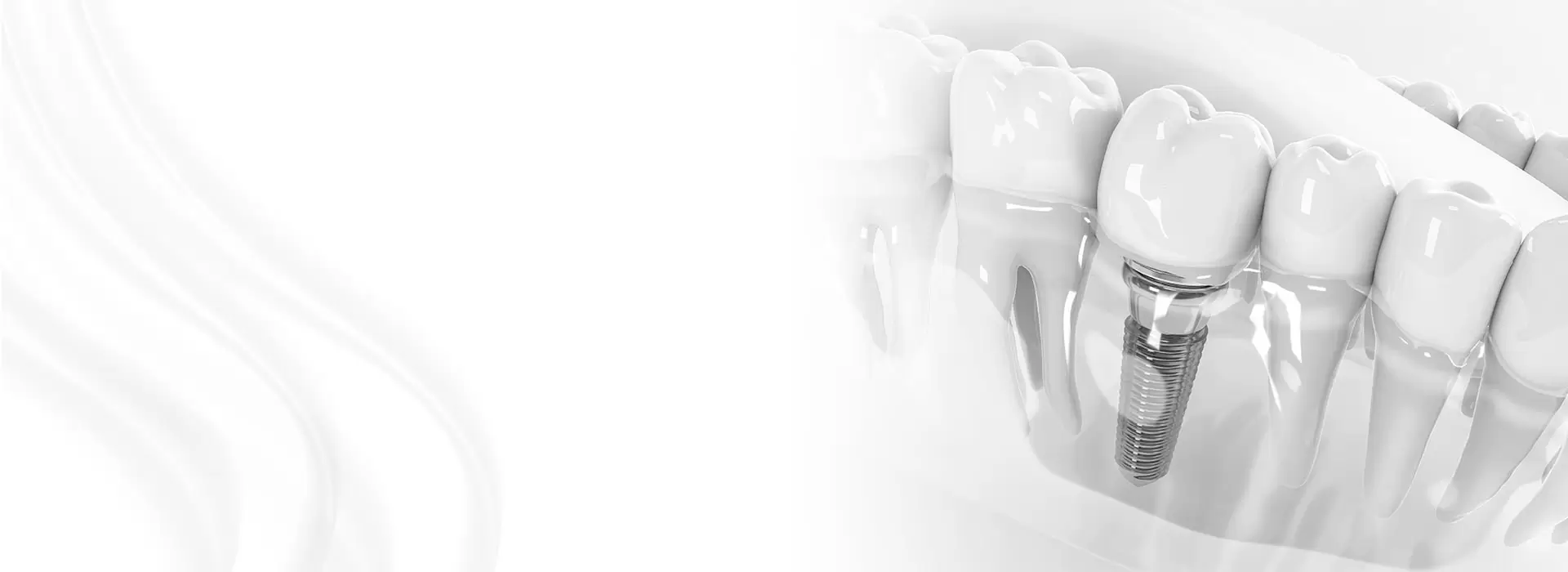
A root canal treats inflammation or infection in the soft tissue inside a tooth, known as the dental pulp. Deep decay, a large filling, cracks, trauma, or repeated dental procedures can damage this tissue. If the pulp cannot recover, bacteria may spread through the root canals and cause an abscess.
Cosmetic dentistry often changes the structure or surface of a tooth. A veneer may require some enamel preparation, while a crown covers the entire visible part of a weakened tooth. If the tooth has an untreated infection, placing a restoration over it may allow the problem to continue unnoticed. This can lead to pain, swelling, restoration failure, or the need to remove the cosmetic work later.
A root canal is not automatically required simply because you are receiving veneers or crowns. Healthy teeth should not be treated unnecessarily. Your dentist will assess whether the pulp is healthy, inflamed but potentially recoverable, or irreversibly damaged before recommending endodontic treatment.
Symptoms that deserve attention
Tooth pain is one of the most recognisable signs of pulp inflammation, but its pattern can vary. A sharp response to cold or heat that disappears quickly may be linked to sensitivity, whereas pain that lingers for many seconds or minutes can indicate deeper irritation. Spontaneous aching, throbbing, or pain that becomes worse when lying down also deserves assessment.
Discomfort when biting or chewing can suggest inflammation around the root. Some patients notice that a tooth feels higher than the others or becomes painful when pressure is released. A darkened tooth after an injury may have lost pulp vitality, even if it is no longer painful.
Swelling around the gum, a small pimple-like bump, bad taste, pus, facial tenderness, or swollen lymph nodes can indicate infection. However, the absence of symptoms does not guarantee that a tooth is healthy. Some teeth lose their nerve gradually and cause little or no discomfort, so examination is especially important before extensive cosmetic treatment.
How dentists check the tooth before cosmetic work
Diagnosis usually begins with your dental history. Tell the dentist about previous injuries, large fillings, sensitivity, night-time pain, recent dental treatment, and any changes in tooth colour. The timing and duration of symptoms can provide useful clues, although they cannot replace diagnostic tests.
The dentist may perform cold or heat testing, an electric pulp test, percussion, and bite testing. These checks compare the tooth’s response with neighbouring teeth. Dental X-rays can show deep decay, changes around the root tip, bone loss, or the position of an existing filling. In complex cases, a three-dimensional CBCT scan may help reveal cracks, hidden canals, or infection that is difficult to see on a standard image.
| Finding before cosmetic treatment |
What it may indicate |
Usual planning response |
| Brief sensitivity to cold that stops quickly |
Exposed dentine, mild irritation, or enamel wear |
Treat sensitivity and reassess before cosmetic work |
| Lingering heat or cold pain |
Significant pulp inflammation |
Further testing and possible root canal evaluation |
| Pain when biting or releasing pressure |
Root inflammation, crack, or an uneven bite |
Examine the tooth structure and surrounding tissues |
| Darkening after trauma |
Possible loss of pulp vitality |
Vitality tests and imaging before restoration |
| Gum swelling or a draining bump |
Possible infection or abscess |
Urgent assessment and infection control |
| No symptoms but deep decay on an X-ray |
Hidden pulp risk |
Decide whether treatment can safely proceed |
A diagnosis should be based on the complete picture rather than a single symptom or image. Sometimes sensitivity comes from gum recession, whitening, enamel wear, or an overly forceful bite instead of an infected pulp. A careful examination helps avoid unnecessary root canal therapy while still protecting teeth that need treatment.
When cosmetic procedures may increase the risk
Veneers usually involve limited preparation, but the amount varies according to tooth position, existing restorations, colour changes, and the desired result. Aggressive removal of enamel can increase sensitivity and may bring the procedure closer to the pulp. An experienced dentist plans the preparation conservatively whenever possible.
Crowns may be recommended for heavily filled, cracked, worn, or structurally weak teeth. These teeth may already have a higher risk of pulp damage because of previous decay or trauma. If a crown is planned, the dentist should assess the tooth’s current condition rather than assume that root canal treatment is needed in advance.
Teeth whitening can temporarily increase sensitivity, especially when enamel is thin or the gums are exposed. Whitening does not cause a root canal in a healthy tooth, but severe or prolonged pain after whitening should be investigated. Invisible aligners generally do not require pulp treatment, although a tooth with hidden decay, trauma, or a previous root problem should still be checked before orthodontic movement.
Should a root canal come before or after a restoration?
When a tooth clearly has irreversible pulp damage or infection, root canal treatment normally comes before the definitive crown, veneer, or other restoration. The canals are cleaned, disinfected, filled, and sealed. The dentist then allows time for symptoms and surrounding inflammation to settle before completing the cosmetic phase.
A tooth that has received root canal treatment may need a crown or another protective restoration, particularly when substantial structure has been lost. Back teeth often experience strong chewing forces and may require coverage to reduce the risk of fracture. Front teeth may be managed differently depending on the remaining enamel, the extent of damage, and the planned cosmetic result.
In some cases, a dentist may begin a cosmetic plan while monitoring a tooth that has uncertain pulp status. This requires clear follow-up and informed decision-making. If symptoms develop later, the restoration may need access for endodontic treatment, so the design and material should be selected with future maintenance in mind.
Protecting the result after endodontic treatment
A root canal removes infected or inflamed pulp, but it does not restore lost tooth structure by itself. Good sealing and a suitable final restoration are important because bacteria can re-enter through leakage or new decay. Follow-up appointments help the dentist check healing around the root and confirm that the restoration remains secure.
Daily oral hygiene supports both the treated tooth and the rest of the smile. Brush twice a day with fluoride toothpaste, clean between the teeth, and attend regular dental examinations. Avoid biting hard objects and follow advice about delaying certain foods while a temporary restoration is in place.
A tooth that has been treated successfully should not be expected to feel exactly like an untreated tooth immediately. Mild tenderness can occur for a short period, but increasing pain, swelling, a loose temporary filling, or a broken crown requires prompt dental attention. Early care can protect the tooth and the cosmetic investment around it.
Steps to take before scheduling cosmetic dentistry
A consultation is the safest starting point when you are considering veneers, crowns, whitening, aligners, or a complete smile makeover. Bring details of previous dental work and mention any symptoms, even if they seem minor or have recently disappeared.
Useful preparation steps include:
- Arrange a full examination before committing to irreversible cosmetic treatment.
- Report lingering sensitivity, biting pain, swelling, trauma, or tooth discolouration.
- Ask whether X-rays, pulp vitality tests, or a CBCT scan are appropriate.
- Treat active decay, gum disease, cracks, or infection before final restorations.
- Discuss how a possible future root canal could affect the design and maintenance of the cosmetic work.
A personalised sequence may involve emergency care first, followed by restorative treatment and then cosmetic improvements. In other cases, the dentist may recommend preventive care and proceed with whitening or alignment once the teeth are confirmed healthy. The correct order depends on the condition of each tooth, not simply on the desired appearance.
Your smile makeover should begin with a clear understanding of the teeth beneath the visible surface. TruDent Clinics in Izmir can assess your dental health, explain whether endodontic treatment is necessary, and coordinate a treatment plan suited to your goals. Schedule a consultation to receive an individual evaluation before starting cosmetic dental work.