Bone Grafting Before Implants: How to Know If You Need It
Learning how to know whether you need bone grafting before implant placement is not something a missing tooth alone can reveal. One site may accept an implant without a graft; another may require staged surgery. The decision depends on available bone, gum health, medical history and the intended position of the final tooth.
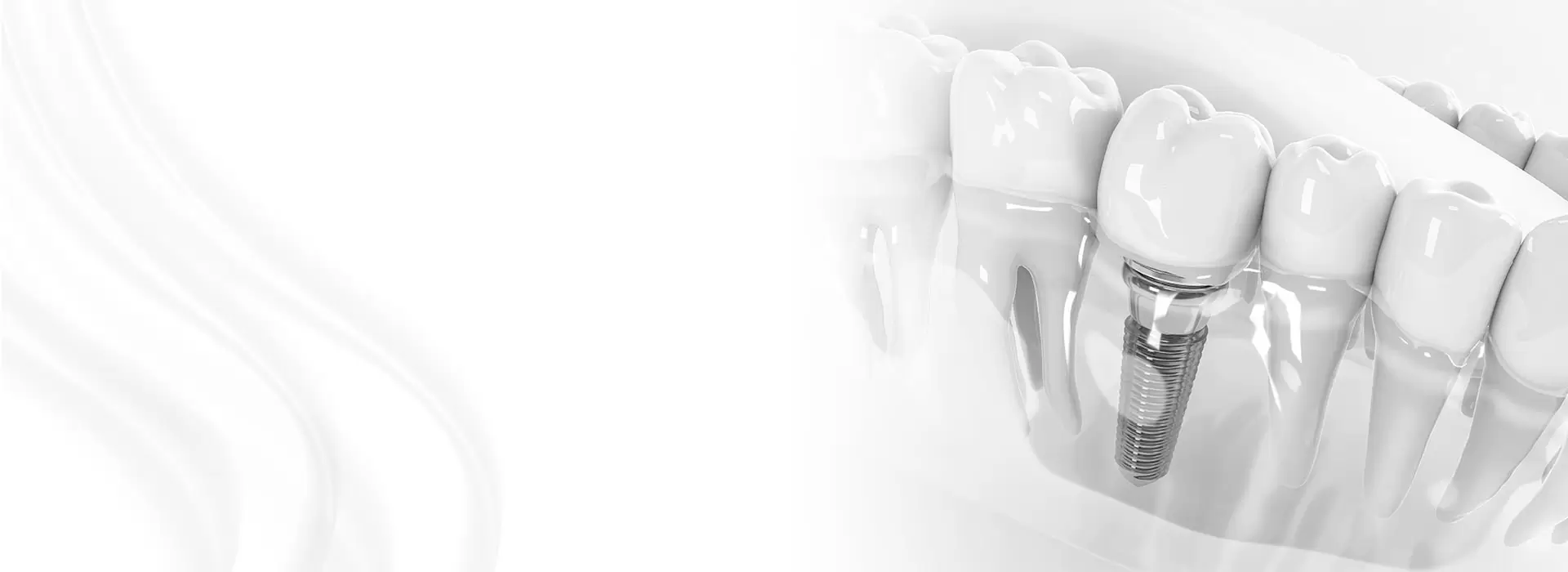
Bone grafting adds or supports bone where an implant cannot be anchored safely. It may occur during implant surgery or months beforehand. Graft materials include the patient’s own bone, donor bone, animal-derived minerals and synthetic scaffolds. None is suitable for every patient, so the proposed material, volume and timing should be discussed before consent.
Australian patients should also consider how treatment is funded and followed up. Medicare generally does not cover routine implant surgery or grafting, although rebates from private health insurance may apply to some hospital-admitted treatment after waiting periods are met. Major-city clinics in Sydney, Melbourne and Brisbane commonly provide digital scans, 3D imaging and itemised quotes, sometimes with payment plans. Regional patients may need different access arrangements. The main clinical pathways can be compared directly:
| Clinical finding |
Likely approach |
Key consideration |
| Adequate bone volume and healthy tissues |
Implant without grafting |
Stability at placement, hygiene and access for the crown |
| Borderline width or contour |
Targeted augmentation or a modified implant plan |
Long-term gum shape and effective cleaning |
| Major bone loss, infection or active periodontal disease |
Disease control followed by staged grafting may be needed |
Healing capacity and long-term maintenance |
| Sinus or nerve close to the implant site |
Specialist 3D planning and possible grafting |
Safe positioning without anatomical injury |
Why an implant may need additional bone
Bone quantity is the volume available around the proposed implant; bone quality describes its density and healing capacity. A site may have adequate height but too little width for the implant and surrounding gum tissues. Careful planning can sometimes avoid a graft by choosing a narrower implant or a different position, provided the result remains suitable for the eventual crown.
Tooth loss from periodontitis, trauma or long-term infection can leave a ridge that has shrunk. Upper rear sites may be limited by the sinus, while lower sites can be close to the mental nerve. Smoking, uncontrolled diabetes and medicines such as bisphosphonates or denosumab can affect healing and may alter the plan. These medicines should never be stopped without the prescribing clinician’s advice.
How the need for grafting is assessed
An implant assessment combines a clinical examination, periodontal probing, review of X-rays and discussion of medical and dental history. Active gum infection, a failing tooth or uncontrolled periodontal disease may need treatment before implant surgery. Previous scans and surgical records can also help prevent unnecessary repeat imaging.
Routine care plays an important role. TruDent Clinics’ guidance on dental checkup frequency explains why stable gums and a clear treatment history matter before an implant is considered. A site that can be cleaned effectively may be managed with hygiene instruction, regular reviews and control of any inflammation.
Cone-beam computed tomography, or CBCT, can show bone height, width, density and nearby anatomy when standard X-rays are insufficient. It should be ordered when the information will change treatment rather than automatically for every patient. The surgeon should explain how the implant will be placed, what tissues are involved, whether grafting is necessary and what the written treatment plan includes.
Graft materials and treatment timing
An autograft uses bone from another area of the mouth and may be combined with another material. Allografts come from screened human donors, xenografts are animal-derived and alloplasts are synthetic. A membrane may cover the graft to contain it and encourage new bone formation. Selection depends on the defect, medical history, donor-site tolerance, cost and the clinician’s experience with the material.
Simultaneous grafting means the graft and implant are placed during one operation. It can work when primary stability and soft-tissue conditions are favourable. With staged grafting, the surgeon rebuilds the ridge first and waits for healing, often several months, before placing the implant. A graft placed immediately after an extraction is a separate choice and is not automatically best in a contaminated socket or where periodontal disease remains.
Risks, recovery and implant maintenance
Potential complications include pain, swelling, bleeding, infection, membrane exposure, graft resorption or failure to integrate. The final outcome also depends on the quality of the implant site, oral hygiene, smoking status and medical control. Clear postoperative instructions and scheduled reviews are as important as the material selected.
Practical implant aftercare guidance can help patients understand the expected diet, cleaning methods, prescribed medicines and warning signs. Antibiotics should be used only as directed, and persistent pain, fever, drainage or increasing swelling needs prompt clinical review rather than management with leftover medication.
Long-term success requires more than a successful operation. Patients need regular periodontal maintenance and replacement of worn prosthetic components when indicated. For people in regional NSW, WA or northern Queensland, travel for follow-up can matter. A local dentist should be involved in shared care where possible, with treatment records and imaging kept for transfer.
Comparing costs and treatment choices in Australia
Because routine implants and grafting are privately billed in Australia, compare more than the headline fee. A useful quote should separate consultation and imaging, surgeon and facility fees, anaesthesia, graft material, membranes, the implant, provisional teeth, follow-up and the possibility of a second stage. Check policy waiting periods and rebates directly with the insurer, as an advertised package can still omit essential aftercare or revision costs.
Travelling to Izmir for treatment can make the initial price attractive, but staged grafting changes the travel equation. Patients should establish how long they must remain, how complications would be managed, whether the Australian insurer will fund any overseas episode and which dentist will provide urgent and long-term care afterwards. A clear plan that survives the journey home is safer than hurried same-day treatment.
Book a personalised implant assessment
A useful first appointment brings together the tooth-loss history, medical conditions and medication list, previous dental X-rays and the desired outcome. Active pain, swelling or infection should be assessed promptly before elective surgery; TruDent Clinics also provides general and emergency dental care in Izmir. A personalised plan should distinguish essential grafting from optional contour improvement and explain how each choice affects comfort, cost and timing.
Book an implant consultation with TruDent Clinics and request a clinical bone-volume assessment, justified imaging where needed, and a written plan showing grafting and no-grafting options, total costs, healing stages and aftercare arrangements. Taking those steps before surgery provides a realistic basis for deciding whether an implant is suitable and how to proceed safely.