Maintaining oral hygiene while wearing fixed retainers after braces
Removing braces is an exciting milestone, but keeping the teeth in their new position requires continued care. A fixed retainer, also called a bonded or permanent retainer, is a thin wire attached behind the teeth to discourage them from shifting. Although it is small and mostly out of sight, the wire can trap plaque and create areas that are difficult to clean.
Good oral hygiene while wearing fixed retainers after braces helps prevent tooth decay, gum inflammation and unwanted tooth movement. A consistent routine also allows you to identify a loose wire, damaged cement or sore spot before it becomes a serious problem. The most effective approach combines careful brushing, cleaning between the teeth and regular professional reviews.
Why fixed retainers need extra care
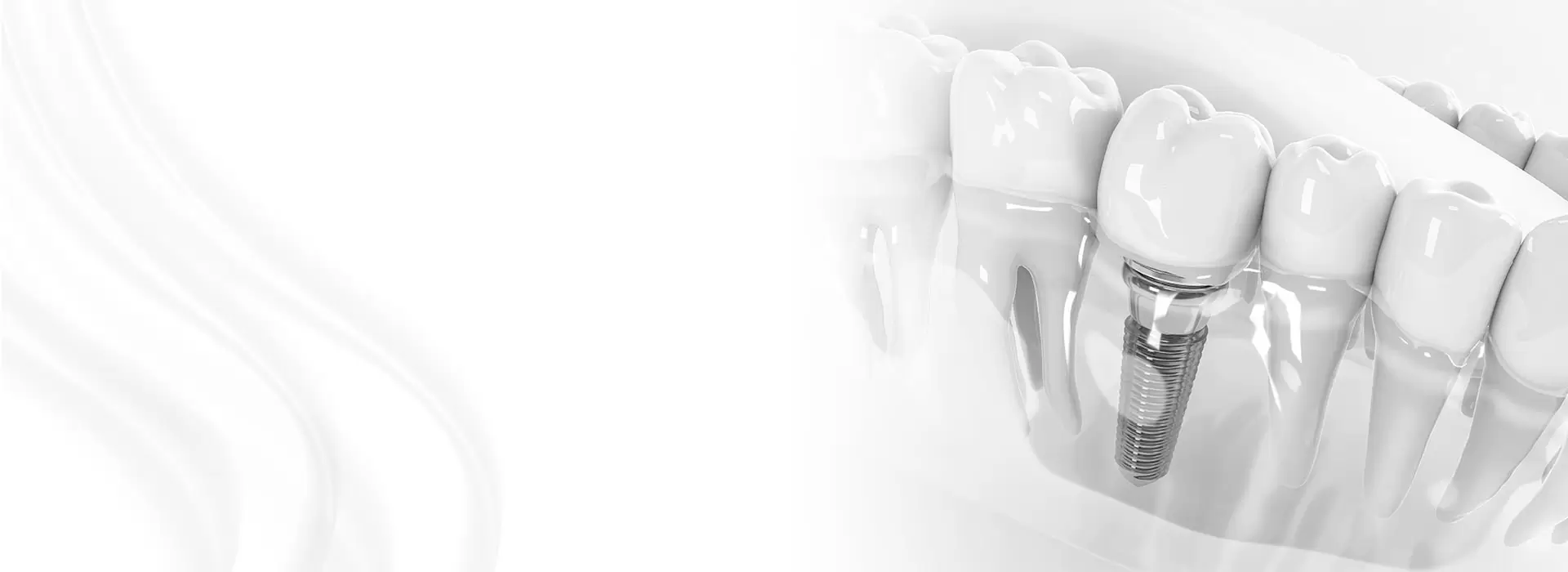
A bonded retaining wire runs along the back of the teeth, close to the gumline. Food particles, bacteria and plaque can collect around its edges and where each section is attached to an individual tooth. Unlike a removable retainer, which can be taken out for cleaning, a fixed device remains in place throughout the day.
This makes technique important. Brushing only at the chewing surfaces can leave a film around the wire and the narrow spaces beside it. If that film is not removed regularly, it may contribute to bad breath, bleeding gums, enamel decay or inflammation around the supporting tissues. Flossing also becomes more complicated because the wire obstructs the usual route between the teeth.
Cosmetic concerns may arise after orthodontic treatment as well. If a tooth is chipped, badly stained or structurally weakened, a clinician can explain veneer and crown options, including whether a bonded retainer would need temporary removal. Such restorations are not part of routine retainer care, so the affected tooth should be assessed before any treatment is considered.
Choosing tools that reach around the wire
A soft-bristled toothbrush is the safest main tool for cleaning a fixed retainer. Its compact head can reach the inside surfaces of the back teeth, while the flexible bristles can be directed around the wire without scraping the enamel or loosening the dental cement. An electric toothbrush can also be useful, provided you guide the brush head slowly rather than pressing it against the retainer.
Interdental brushes are especially helpful for cleaning between the teeth and around the wire. Choose a small brush that slides through the contact area without forcing it, and use gentle movements rather than twisting or pushing hard against the gum. A dental floss threader or super floss can clean beneath the retaining wire when ordinary floss cannot pass through comfortably.
These tools are readily available from Australian pharmacies and supermarkets, including Chemist Warehouse, as well as from dental practices and online dental-care stores. A water flosser may provide an additional way to flush plaque from awkward areas, but use a low-pressure setting and aim the stream along the gumline. Do not direct a strong jet straight at the bonded attachments.
Replace a worn toothbrush every three to four months or when the bristles become frayed. Replace floss threaders and interdental brushes when they are torn, misshapen or no longer clean effectively. Keeping a small dental kit together makes it easier to clean the retainer after meals and while travelling.
Brushing gently around the retaining wire
Brush at least twice a day for around two minutes, giving extra attention to the inside of the teeth. Hold the toothbrush at a slight angle so the bristles reach the junction between the wire, the tooth and the gumline. Use small circular movements, followed by gentle strokes towards the gum, rather than sawing the brush back and forth across the wire.
Use toothpaste containing fluoride and avoid abrasive whitening pastes. Scrubbing harder does not improve the cleaning and may wear down enamel or weaken the cement holding the retainer in place. Pay attention to the gaps around the bonded attachments, but do not try to remove plaque with sharp tools such as pins or knives.
Major Australian cities, including Sydney, Melbourne, Brisbane, Adelaide and Perth, generally have fluoridated public water supplies. Regular exposure to fluoridated water supports enamel protection, especially when used as a rinse during the day. Immediately after brushing, however, it is generally preferable to spit out the toothpaste rather than rinse vigorously, allowing the higher-concentration fluoride in the toothpaste to remain on the teeth.
Choose a soft brush after the braces are removed because the teeth may feel sensitive for a short while. If the gums are sore, continue cleaning gently rather than stopping altogether. Persistent pain or bleeding should be discussed with your dental clinician rather than treated by applying extra pressure.
Cleaning between the teeth and along the gumline
Cleaning between the teeth remains essential because a fixed retainer does not replace flossing. A floss threader can guide the floss beneath the wire, while super floss has a sponge-like section that may move more easily through tight spaces. Curve the floss against the side of each tooth and move it gently up and down several times.
Interdental brushes can complement floss where the spaces are larger or where the retainer crowds the contact points. Use them daily if they fit comfortably, but never force a brush through a space that feels tight. Excessive pressure may irritate the gum or damage the attachment cement. The goal is thorough plaque removal without traumatising the tissues.
Watch for signs of gum inflammation, including redness, swelling, tenderness or bleeding when you brush or clean between the teeth. Mild bleeding that settles after a few days of careful cleaning may reflect irritation from plaque. Bleeding that continues, worsens or occurs alongside swelling or discharge needs prompt professional attention.
Cleaning with a water flosser cannot replace floss or brushing, but it can be a useful supplementary step for people who find the wire difficult to reach. Pause if the gums hurt or if the retainer feels loose, and ask your orthodontist or dentist to demonstrate the safest angle and pressure for your particular appliance.
A daily and weekly hygiene routine
Diet also affects plaque accumulation. Sticky sweets, caramel, chewing gum and hard confectionery can lodge around a bonded wire and pull at the attachments. Rinse with water after meals and choose firm, non-sticky foods that are easy to clean. Australia’s café culture makes coffee and tea frequent habits, but sweetened drinks and frequent sipping can increase the sugar challenge between appointments.
For everyday care, establish the following habits:
- Brush the inside surfaces of the teeth thoroughly twice a day, including around every bonded attachment.
- Clean between the teeth once or twice daily with floss, a floss threader or a correctly sized interdental brush.
- Rinse with water after meals, especially after sugary, sticky or acidic food and drinks.
- Check the wire with your fingers or a mirror while cleaning and note any movement, roughness or sharp edge.
A weekly review helps catch small changes before they become urgent:
- Look for plaque that has hardened around the wire or gumline and have it removed professionally if necessary.
- Check whether the floss or interdental brushes are clean, flexible and correctly sized.
- Confirm that no food is repeatedly becoming trapped behind a particular tooth.
- Arrange professional retainer checks according to your orthodontist’s recommended schedule.
Avoid chewing ice, biting hard sweets and using the teeth to open packages. These habits can chip enamel or deform the retaining wire. A custom-made sports mouthguard is advisable if you play contact sports while wearing an orthodontic appliance.
Warning signs, maintenance and professional care
Contact your dental clinician promptly if the retainer becomes loose, the wire bends or breaks, or a bonded attachment comes away from the tooth. Do not attempt to pull it off or reattach it with household glue. Keep the area clean, avoid chewing on that side and arrange an assessment. If you still have a removable retainer, wear it as directed while awaiting advice.
Seek urgent care for severe pain, facial swelling, fever, pus, a bad taste that does not settle or difficulty swallowing or opening the mouth. These symptoms may indicate infection or another problem that should not be left untreated. Do not wait for the next routine appointment when symptoms are rapidly worsening.
Routine orthodontic reviews are not automatically covered by Medicare, and private health “extras” policies vary in what they contribute towards preventive dental care and orthodontics. Check your policy and obtain any required referral before treatment. Australians travelling to Izmir for dental care should also arrange follow-up locally and clarify who will manage emergencies or retainer adjustments.
TruDent Clinics provides personalised dental and orthodontic consultations from Izmir, with treatment plans shaped around the condition of the teeth and gums. Schedule a consultation, bring your current oral-care products and ask for a clear cleaning routine and retainer maintenance schedule before treatment begins.