How to Maintain Oral Hygiene With Fixed Bridges or Implant Crowns
Fixed bridges and implant-supported crowns can restore chewing function, speech and confidence, but they still need daily care. Although these restorations cannot be removed like dentures, bacteria and food debris can collect around their edges, beneath a bridge pontic or beside an implant.
A natural tooth has a ligament and living tissue around its root that can respond to irritation. An implant does not have the same protective attachment, so inflammation around it may progress quietly. A bridge can also place extra cleaning demands on the neighbouring teeth that support it.
Good oral hygiene protects the gums, the teeth holding a bridge and the tissues surrounding an implant. The routine does not need to be complicated, but it should be thorough and consistent. Small habits, such as cleaning under a bridge every evening, can make a meaningful difference over time.
For patients in Australia, dental check-ups are often arranged through private health extras because routine adult dental care is generally not covered by Medicare. Access can also vary between Sydney, Melbourne, Brisbane and regional areas, making an effective home-care routine particularly valuable between appointments.
Understand What Needs Cleaning
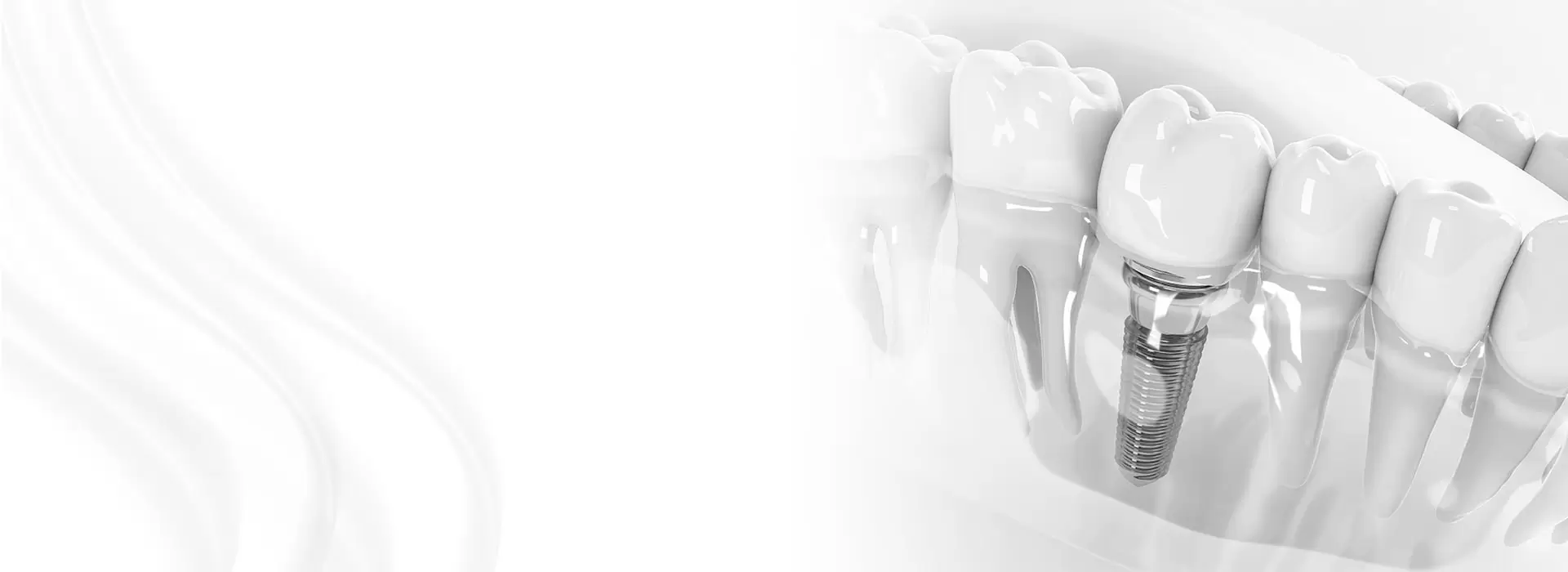
A fixed bridge usually includes one or more artificial teeth attached to crowns on natural supporting teeth. The artificial section, called a pontic, rests above the gum rather than emerging from a root. A narrow space beneath it can trap plaque, fibres from food and bacteria.
An implant-supported crown sits on an implant post placed in the jawbone. The crown may look and feel like a natural tooth, but the gum-to-implant connection requires careful cleaning. Plaque around the implant can cause peri-implant mucositis, which may develop into peri-implantitis if it is left untreated.
The margins where a crown or bridge meets a tooth or gum are especially important. Roughness, bleeding or a persistent feeling that something is caught may indicate that plaque is not being removed effectively. Cleaning should reach these areas without forcing instruments aggressively into the gums.
Build A Gentle Daily Routine
Brush twice a day for around two minutes with a soft-bristled toothbrush. An electric toothbrush with a small round head can help control pressure and reach the curved surfaces around crowns. Angle the bristles towards the gumline, then use slow movements around every edge of the restoration.
Choose a fluoride toothpaste unless your dentist has recommended a different product. Fluoride helps protect exposed natural tooth surfaces beside a bridge and can reduce the risk of decay on supporting teeth. Spit after brushing rather than rinsing repeatedly, allowing a small amount of fluoride to remain in the mouth.
Brushing too hard does not make teeth cleaner. Excessive pressure can irritate the gums and contribute to gum recession, exposing sensitive areas around a crown or implant. If the bristles become splayed quickly, the pressure may be too strong or the toothbrush may need replacing.
For Australians who often use the phrase “a good clean” to mean a thorough routine, the key is technique rather than force. A consistent morning and evening routine is more useful than occasional vigorous brushing before a dental appointment.
Clean Beneath Bridges And Around Implants
Floss threaders, super floss or specialised bridge floss can guide floss beneath the pontic. Feed it carefully under the bridge, then move it back and forth along the gum surface. Clean both sides of the artificial tooth and the areas around the supporting crowns.
An interdental brush is often easier to use than conventional floss, particularly when there is a larger space beneath a bridge. Select a size that fits comfortably without becoming stuck. The bristles should touch the sides of the teeth and restoration, but the wire should not scrape the crown or implant.
Water flossers can be useful for flushing loose debris from beneath a bridge and around an implant crown. They should complement, rather than automatically replace, mechanical cleaning. Use a comfortable pressure setting and direct the stream along the gumline without holding it forcefully in one spot.
Ask your dentist or dental hygienist to demonstrate the correct tool for your restoration. The best choice depends on the bridge design, implant position, gum shape and spacing between teeth.
Choose Helpful Cleaning Tools
A compact interdental brush, floss threader and single-tuft toothbrush can make detailed cleaning easier. A single-tuft brush is useful around the back edge of an implant crown, the inner surface of a bridge or a crowded supporting tooth. These tools are particularly helpful when a standard toothbrush cannot reach the margin.
People with reduced hand control may find an electric toothbrush and water flosser more manageable. Travelling Australians can keep a small oral-care kit in a work bag, caravan, sports kit or carry-on luggage, so cleaning does not stop during a trip between Perth, Adelaide or regional towns.
Avoid using sharp objects, safety pins or fingernails to dislodge food. They can damage the gum and scratch restorative materials. Abrasive powders and aggressive whitening products may also create rough surfaces that collect more plaque.
Mouthwash can provide an additional benefit in selected cases, but it is not a substitute for brushing and interdental cleaning. Chlorhexidine products should generally be used only for a limited period and under professional direction, as they may stain teeth and alter taste.
Manage Food, Drinks And Habits
Sticky foods and fibrous meat can lodge beneath a bridge, while frequent sugary drinks increase the risk of decay on the natural teeth supporting it. Limiting how often sugar reaches the teeth is more protective than brushing immediately after every snack. Water between meals helps clear loose particles and supports saliva flow.
Many Australians enjoy barbecues, crusty bread, nuts and takeaway foods. These do not automatically damage a fixed restoration, but very hard items should not be used to open packets, crack shells or bite through bones. A crown or bridge can fracture under forces unrelated to normal chewing.
Tea, coffee, red wine and tobacco can stain natural teeth around a restoration, even when the crown or bridge material itself is relatively resistant to colour change. Smoking and vaping may also affect gum health and healing around implants. Reducing or stopping tobacco use supports a healthier environment for the restoration.
If you play AFL, rugby, cricket, hockey or other contact sports, use a properly fitted mouthguard. A custom guard from a dentist generally offers better retention and protection than a loose, generic option, especially when an implant crown or bridge is present.
Recognise Problems Early
Bleeding during cleaning is not a reason to stop cleaning. It can be a sign of inflammation caused by plaque, and gentle daily care may help reduce it. However, bleeding that continues for more than several days should be assessed by a dentist or hygienist.
Book a prompt examination if you notice swelling, pus, bad taste, persistent bad breath, pain when biting, increasing sensitivity or movement in a crown or bridge. Around an implant, a change in the way the teeth meet or a feeling that the crown is loose deserves attention even if there is little pain.
A bridge that feels unstable may have a problem with its supporting tooth, cement or framework. An implant crown may have a loose screw, worn component or inflammation around the implant. Do not attempt to glue a restoration back in place, as household adhesives can harm oral tissues and complicate professional repair.
Dental professionals can take clinical measurements and, when appropriate, X-rays to assess the supporting bone and teeth. Early care is usually simpler than waiting until a restoration breaks or the surrounding tissues become severely inflamed.
Plan Professional Maintenance
Most patients benefit from regular dental examinations and professional cleans, with the interval determined by gum health, decay risk, smoking status, diabetes and the type of restoration. Some people need visits every three to four months, while others may safely attend less often under professional guidance.
During maintenance, the dentist or hygienist can inspect crown margins, clean areas that home tools miss and check the bite. Implant patients may also need assessment of the tissues around the implant and the stability of the crown components.
The Australian Dental Association recommends preventive dental care tailored to individual needs rather than a single schedule for everyone. This matters for people living in remote or regional communities, where appointments may require travel and early detection can prevent an urgent visit.
If you are planning dental treatment overseas or returning to Australia after receiving a bridge or implant crown, keep copies of the treatment records, implant brand and restoration details. That information helps an Australian dentist provide follow-up care and source compatible components if necessary.
Support Long-Term Results
A fixed bridge or implant-supported crown should become part of your normal oral-care routine, not something you clean around only when it feels uncomfortable. Brush twice daily, clean between teeth and beneath the restoration once a day, and attend reviews at the interval recommended for your mouth.
A personalised demonstration is particularly useful after implant surgery, bridge placement or a full smile makeover. At TruDent Clinics in Izmir, Turkey, consultations can include assessment of gum health, restoration design and the cleaning methods most appropriate for each patient’s treatment plan.
Patients who need advice about a loose restoration, gum irritation, implant maintenance or a planned cosmetic and general dentistry programme can arrange a consultation with TruDent Clinics. Professional guidance can help protect the restoration, maintain healthy gums and support a confident smile for years to come.