Long-Term Care For Strong, Healthy Dental Implants
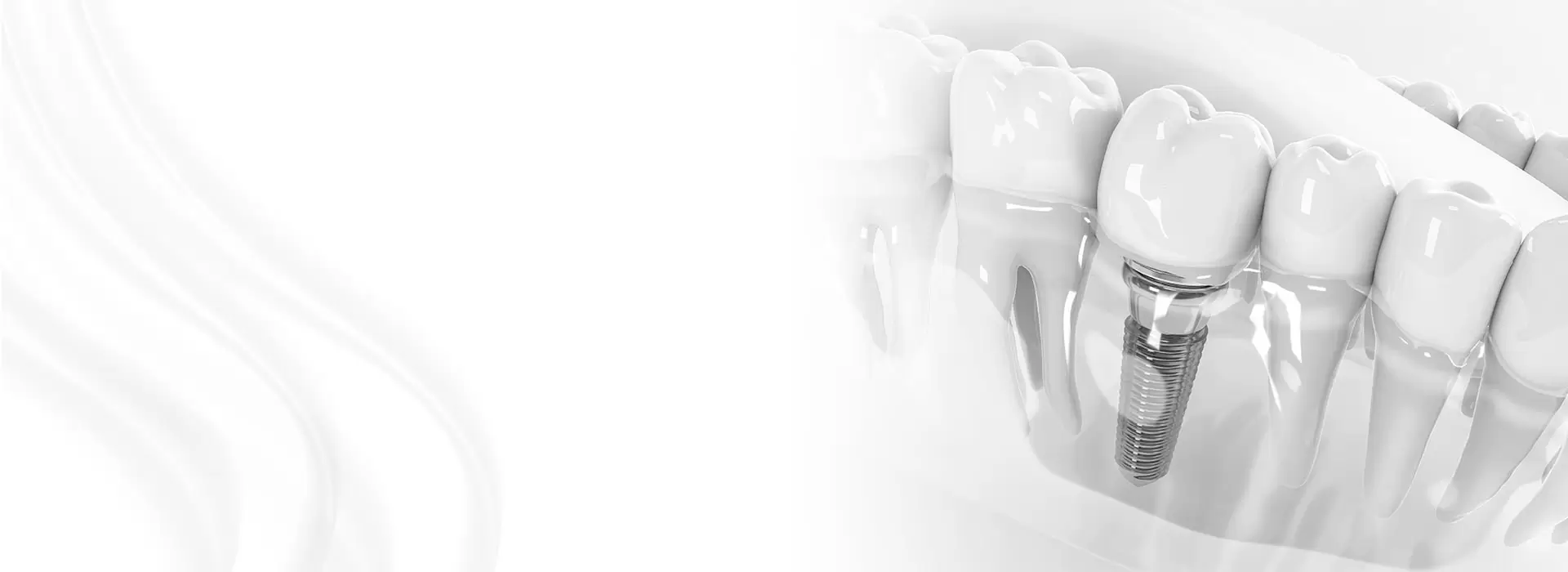
Dental implants are designed to provide a stable, natural-looking replacement for missing teeth. With careful hygiene and regular professional monitoring, the implant post can remain secure for many years, while the visible crown can continue to support comfortable chewing and a confident smile.
Long-term implant success depends on daily habits as much as the original procedure. Plaque can collect around the gum line, and inflammation in the surrounding tissues may gradually affect the bone supporting an implant. A consistent home-care routine helps protect this foundation.
The best maintenance plan is personal. Your implant dentist may adjust cleaning methods, recall appointments, diet advice, and protective measures according to your number of implants, gum health, bite, and medical history. At TruDent Clinics in Izmir, patients can receive tailored guidance as part of their restorative and general dentistry care.
Protect The Implant And Surrounding Tissues
A dental implant does not develop decay in the same way as a natural tooth, but the crown, nearby teeth, gums, and supporting bone still need protection. Bacteria around the implant can cause peri-implant mucositis, an early form of inflammation. If it progresses, peri-implantitis may lead to bone loss and implant instability.
Healthy tissue around an implant usually appears firm and comfortable, without persistent swelling or bleeding. A small amount of bleeding during cleaning should not be ignored, especially if it continues for several days. Early assessment can often prevent a minor concern from becoming a more complex restorative problem.
Pay attention to changes such as tenderness while chewing, a bad taste, pus, gum recession, or a crown that feels loose. Contact your dentist promptly if any of these signs occur. Avoid trying to tighten, glue, or adjust an implant crown at home, since this can damage the restoration or conceal an underlying issue.
Build A Reliable Daily Cleaning Routine
Brush twice daily with a soft-bristled toothbrush and fluoride toothpaste. Angle the bristles gently toward the gum line and use small, controlled movements around the crown and neighboring teeth. Electric toothbrushes can be useful for patients who find it difficult to maintain consistent pressure and coverage with a manual brush.
Cleaning between teeth is especially important because plaque can remain beneath contact points and around the implant. Interdental brushes, implant-safe floss, water flossers, or specialized threaders may be recommended depending on the restoration design. Do not force floss beneath the gum or use abrasive tools that could scratch the crown or irritate soft tissue.
Your dentist or hygienist can demonstrate the correct technique during a maintenance visit. The ideal routine is one you can perform thoroughly every day, rather than an aggressive method that causes bleeding or discomfort. If you have several implants joined by a bridge, ask for specific instructions on cleaning beneath and around the prosthesis.
Schedule Professional Implant Checkups
Professional examinations allow a dental team to assess the implant, crown, gums, bite, and nearby teeth. During a visit, the clinician may check for mobility, inflammation, plaque accumulation, changes in the gum margin, or pressure caused by an uneven bite. X-rays may be taken when clinically appropriate to evaluate the bone around the implant.
The ideal recall interval varies. Some patients may need visits every three to six months, particularly if they have a history of gum disease, smoke, have diabetes, or struggle with plaque control. Others may be safely reviewed less frequently. Following the schedule recommended for your circumstances is more useful than relying on a fixed timetable.
Professional cleaning is also valuable because hardened tartar cannot be removed effectively with a toothbrush. Your dental team can use instruments and materials suited to implant surfaces, reducing the risk of unnecessary scratching. Keep records of your implant system and restoration details so future providers can identify compatible components if repairs are ever needed.
| Maintenance area |
Recommended habit |
Why it matters |
| Brushing |
Brush twice daily with a soft brush |
Removes plaque from the crown and gum line |
| Interdental cleaning |
Clean between teeth every day |
Reaches areas a toothbrush misses |
| Dental reviews |
Attend personalized recall appointments |
Detects inflammation, wear, or bone changes early |
| Diet and habits |
Limit hard, sticky foods and avoid smoking |
Reduces mechanical stress and healing risks |
| Protective care |
Use a night guard when prescribed |
Helps control damage from grinding or clenching |
| Warning signs |
Report looseness, swelling, or pain promptly |
Supports early treatment before complications progress |
Manage Habits That Affect Implant Longevity
Smoking and tobacco use reduce blood flow and can impair the health of the tissues around implants. They are associated with a higher risk of inflammation and implant complications. Stopping tobacco use supports oral health, healing, and the condition of natural teeth as well as restorations.
Frequent consumption of sugary drinks and acidic foods can increase plaque activity and damage nearby natural teeth. Choose water regularly, maintain balanced meals, and avoid prolonged sipping of sweet beverages. Hard items such as ice, unpopped popcorn kernels, and pens can chip crowns or place excessive force on the implant structure.
Teeth grinding and clenching can also affect long-term stability. Warning signs include morning jaw fatigue, headaches, worn teeth, chipped porcelain, or tenderness around a restoration. If bruxism is suspected, your dentist may recommend a custom night guard and evaluate whether your bite needs adjustment.
A bright smile can be maintained without compromising implant care. When considering cosmetic treatments, review the plan with your dental team; guidance on preserving whitening results can help you manage staining habits while keeping natural teeth and restorations looking balanced.
Respond Quickly To Changes
Dental implants generally feel stable during normal use. A sudden change in the way your teeth meet, a clicking sensation, or movement in the crown deserves prompt evaluation. Sometimes the issue involves a loose crown or screw rather than the implant itself, but only an examination can establish the cause safely.
Pain is another reason to seek advice, particularly when it is accompanied by swelling, discharge, fever, or difficulty opening the mouth. Do not wait for severe symptoms to appear. A dentist may be able to clean the area, repair a restoration, treat gum inflammation, or address bite pressure before more extensive intervention is required.
Accidents require special attention. If a blow to the mouth damages the crown or surrounding teeth, arrange an assessment even if discomfort is limited. Keep any detached component and avoid chewing on that side until you receive professional instructions.
Make Implant Care Part Of Your Routine
A simple plan makes long-term implant maintenance easier to follow. Build brushing and interdental cleaning into fixed parts of the morning and evening, keep approved cleaning aids available, and record dental appointments before leaving the clinic. If dexterity, vision, or mobility makes home care difficult, ask about adapted tools or assistance.
Use these practical priorities to support implant health:
- Brush gently twice a day and clean between teeth every day.
- Attend professional examinations and hygiene appointments at the interval recommended for you.
- Avoid smoking and limit habits that expose crowns to excessive force.
- Wear a dentist-prescribed night guard if grinding or clenching is present.
- Report bleeding, swelling, persistent odor, pain, looseness, or changes in your bite without delay.
Implant crowns may eventually show normal wear or require replacement even when the implant post remains healthy. Regular reviews help your dentist monitor both parts separately and keep the restoration functioning comfortably. Good maintenance also protects adjacent natural teeth, which contribute to the overall stability and appearance of your smile.
Keep Your Smile Healthy For Years
The most effective approach to dental implant care combines precise home hygiene, professional monitoring, healthy lifestyle choices, and fast attention to unusual symptoms. There is no single cleaning product or appointment schedule that suits every patient, so your dentist’s assessment should guide the details.
If you have implants or are considering implant treatment, schedule a consultation with TruDent Clinics to review your oral health, restoration condition, and personalized maintenance needs. A professional evaluation can help you preserve function, comfort, and a natural-looking smile for the long term.