Keeping Your Jaw Botox Results: A Practical Guide for Australians
Australians are increasingly turning to masseter botulinum toxin injections to ease the discomfort and worn-down look that come with chronic jaw clenching. Whether you're walking out of a clinic in Sydney's CBD or you've just had treatment in Brisbane, the days and weeks that follow play a big role in how long your smoother jawline and reduced tension actually stick around. Looking after the treated area properly helps the medication settle exactly where it needs to and prevents the muscle from working overtime before the relaxing effect fully kicks in.
Botox for jaw clenching works by gently blocking the nerve signals that tell your masseter muscles to contract. Once those heavy chewing muscles ease off, many people notice less morning tension, fewer headaches, and a softer contour along the lower face. Results typically appear over one to two weeks and tend to last anywhere from three to six months, depending on your metabolism, the dose used, how strong your bite is, and your everyday habits. That last factor is where you have the most control, which is why a thoughtful maintenance routine makes such a difference in Australia, where warm weather, active social lives, and high UV exposure all shape how we live day to day.
The following guide walks through the practical, evidence-based steps you can take after treatment to protect your investment and enjoy a longer-lasting result. From what you eat in the first week to how you manage stress and sleep, every small choice adds up. If you've recently had injections or you're planning to book them soon, these tips will help you get the most from each session.
How masseter botox works and what affects longevity
The masseter is one of the strongest muscles in the human body, designed to power through tough, chewy foods every day. When botulinum toxin is injected into it in small, carefully measured doses, the muscle receives fewer signals from the nerves and gradually relaxes over the following days. The visible slimming of the lower face is really a side effect of that relaxation, and the functional benefit — reduced grinding, fewer cracked teeth, less jaw pain — is often what matters most to patients.
Several factors influence how long the effect lasts. A higher metabolism can break the protein down a little faster, which is why very active people sometimes notice results fading sooner. A larger, stronger masseter needs more units to settle down, and some people build up a mild tolerance after repeated sessions over the years. Lifestyle also matters: if you keep clenching through stress, chew gum constantly, or grind your teeth at night, the muscle is being asked to work against the treatment. Understanding jaw clenching management before you even sit in the chair gives you a head start on protecting the outcome.
Eating and chewing in the days after treatment
The first 24 hours are the most sensitive. Most practitioners recommend sticking to soft foods such as yoghurt, scrambled eggs, smoothies, and soup so the masseter doesn't have to do heavy lifting while the toxin is settling. Avoid very chewy items like steak, tough jerky, or sticky lollies, which Australians tend to enjoy at barbecues and weekend gatherings. Cutting food into smaller bites is a simple trick that reduces the workload on the muscle without making mealtime feel like a chore.
After the first week, you can usually return to a normal diet, but it helps to keep an eye on habits that put repeated strain on the jaw. Chewing gum is one of the worst offenders, because it trains the masseter to keep working for hours at a time. If you're in the habit of crunching ice at the pub or gnawing on a pen during long work meetings, those small actions can shorten the window of relief between appointments. Choosing softer snacks and being mindful about unconscious chewing gives the treatment room to last.
Sun exposure, skin care, and the treatment area
Australia's UV index is among the harshest in the world, so daily sun protection is non-negotiable anyway, but it matters a little more right after cosmetic injections. Avoid pressing or massaging the treated area for the first day, which means being gentle when applying sunscreen, serums, or makeup around the jawline. A high-quality SPF 50 worn every morning — whether you're heading to Bondi Beach, commuting through Parramatta, or spending the afternoon outdoors in Perth — protects the skin and keeps the area calm.
Heat can also increase flushing in the hours after treatment, so skip saunas, hot yoga, and long hot showers for the first day or so. If you've had a beach day planned in Adelaide or a winery lunch in the Barossa, give the treatment at least 48 hours before exposing your face to prolonged heat. Light, mineral-based makeup is generally safe after a few hours, but use clean brushes and avoid rubbing the skin.
Exercise, massage, and physical activity
Strenuous exercise increases blood flow to the face, which can in rare cases move the toxin away from the precise spot it was placed. Most Australian practitioners suggest taking it easy for around 24 hours — no high-intensity spin class in Melbourne, no long runs along the Yarra, and no heavy lifting at the gym in your usual Brisbane studio. Light walking is fine and actually helps with circulation, but anything that leaves you red-faced and sweaty is best left for the next day.
For the first week, skip facial massage, gua sha, and any professional treatments that involve deep pressure along the jaw. If you see a physiotherapist or myotherapist for jaw tension — common among people who sought out the injections in the first place — let them know about the recent treatment so they can adjust their approach. Once a week has passed, gentle jaw stretches and posture work can actually complement the botox by retraining the muscle to rest in a softer position.
| Time after treatment |
Safe to resume |
Still avoid |
Why it matters |
| First 24 hours |
Light walking, soft meals, gentle skin care |
Gym, saunas, alcohol, chewing gum |
Keeps the toxin precisely where it was placed |
| Days 2 to 7 |
Normal daily activity, mineral makeup, easy outdoor walks |
Facial massage, very chewy foods, hot yoga |
Allows the muscle to settle into its relaxed state |
| Week 2 onwards |
Full exercise, massage, travel, normal diet |
Persistent gum chewing, daytime clenching |
Protects the result and extends time between top-ups |
Stress, sleep, and unconscious clenching
A lot of the tension that botox calms down is driven by stress and sleep habits. Australians often joke about being busy, but the reality is that long work hours, school runs, and busy weekends translate into a lot of subconscious clenching. If you grind at night, a custom-made occlusal splint from your dentist protects both your teeth and the investment you've made in the injections. Wearing it consistently is one of the single most effective things you can do to extend results.
Caffeine plays a role too. Coffee is woven into Australian life, from flat whites in Melbourne's laneways to long blacks on a sunny Sydney morning, but too much can amplify jaw tension in sensitive people. Drinking water alongside your coffee and avoiding very strong espresso late in the day helps. Alcohol before bed is another common trigger for grinding, so moderating evening drinks is a small change with a noticeable payoff. Simple wind-down habits — a few minutes of slow breathing, a warm shower, putting screens away an hour before bed — give the jaw a chance to fully unclench before sleep.
Follow-ups, touch-ups, and choosing the right practitioner
Most clinicians like to see patients about two weeks after the first session to check the result and make small adjustments if one side needs a touch-up. After that, top-ups every three to six months keep the effect consistent and, over time, can lead to a mild reduction in the muscle's bulk. In Australia, botulinum toxin is a prescription-only medicine regulated by the Therapeutic Goods Administration, and any cosmetic injection should be performed by an AHPRA-registered practitioner who is trained in facial anatomy. That protects both your safety and the quality of your result.
When booking a clinic, look for a practitioner who takes time to assess your bite, asks about your symptoms, and explains the dose they're planning to use. A personalised plan beats a one-size-fits-all approach, especially when the goal is relief from jaw clenching rather than just a slimmer face. If you're noticing worn teeth, morning headaches, or tenderness along the jaw, mention these during the consultation so the treatment can be tailored to your situation.
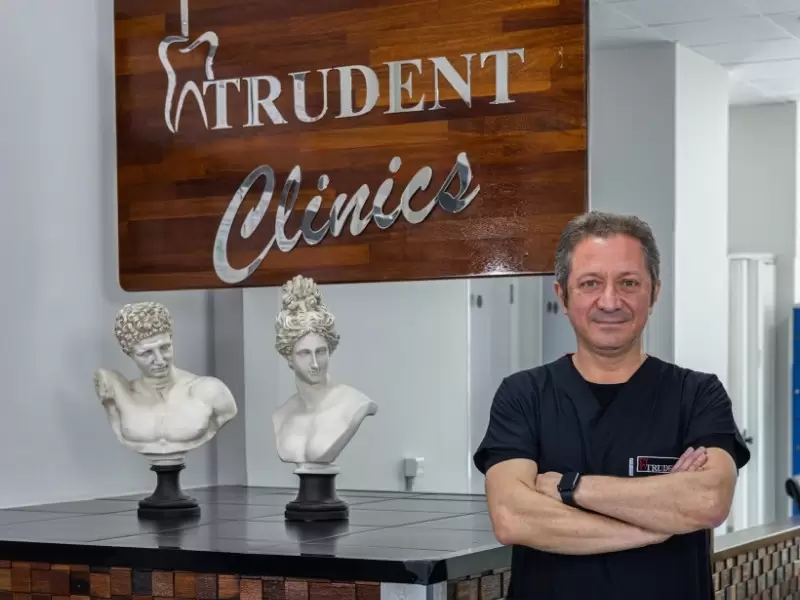
Reach out to TruDent Clinics in Izmir to book a consultation, ask about maintenance plans, or arrange a follow-up with the team that understands both the cosmetic and the functional side of jaw botox.