How To Maintain Your Smile After Invisible Aligners
Finishing invisible aligner treatment is an exciting milestone, especially after months of wearing trays, attending reviews and adjusting your daily routine. Once the final aligner comes off, your teeth may look straight, but the tissues supporting them still need time to adapt. Retention is the phase that protects the result you have worked towards.
Teeth can gradually move throughout life because of natural pressure from the tongue, lips and cheeks. Changes in dental health, ageing, grinding, tooth loss and habits such as nail biting can also affect alignment. A well-planned retainer routine helps keep your smile stable while allowing you to eat, speak and socialise comfortably.
For patients in Australia, ongoing care may involve private dental visits, health fund limits and travel considerations. Whether you live in Sydney, Melbourne, Brisbane or a regional community, the most reliable approach is to follow your dentist’s instructions, attend periodic reviews and deal with small changes before they become obvious.
Retainers Keep Teeth In Position
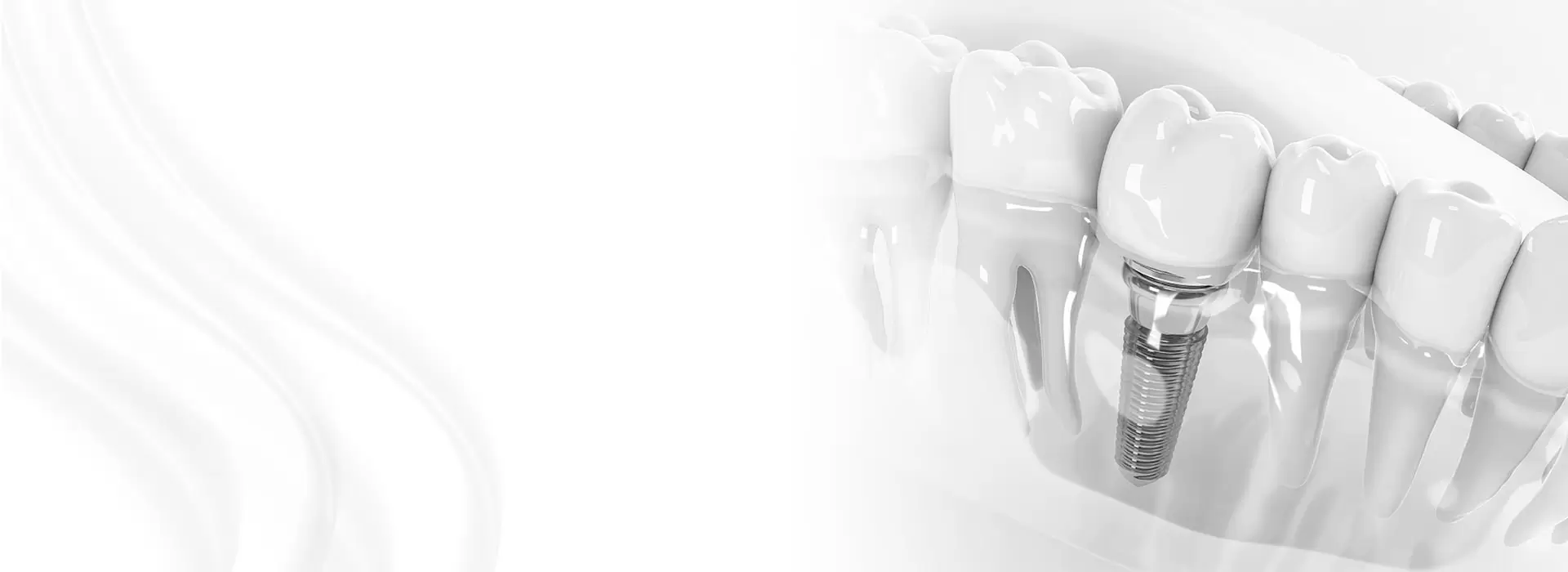
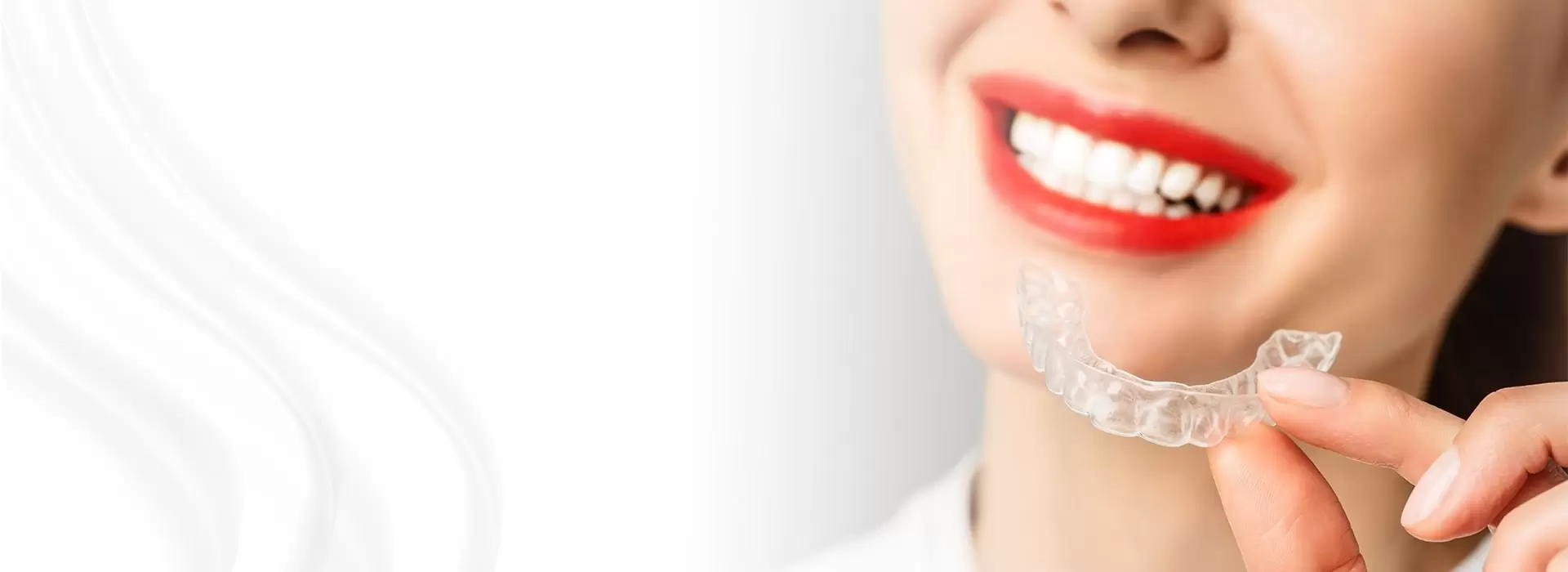
Your retainer is the main safeguard against orthodontic relapse. Your dentist may provide a removable clear retainer, a fixed wire behind the teeth, or a combination of both. Each type works differently, so wearing it exactly as prescribed is more important than copying someone else’s routine.
Many patients are asked to wear a removable retainer full-time for an initial period, taking it out for meals and cleaning. Later, the schedule often changes to nighttime wear. This transition should be guided by your dentist or orthodontic provider rather than decided because your teeth “feel fine”. Teeth can shift quietly before you notice a visible difference.
Store removable retainers in their ventilated case whenever they are not in your mouth. Avoid wrapping them in a napkin at a café or restaurant, as they can easily be thrown away. Keep them away from hot water, direct sunlight and pets, since heat can distort the plastic and animals are often attracted to its scent.
A fixed retainer also needs attention. Brush carefully around the wire and use floss threaders, interdental brushes or a water flosser if recommended. If the wire becomes loose, bent or uncomfortable, arrange a dental appointment promptly. Do not try to glue it back yourself.
Daily Habits Protect Your New Smile
Good oral hygiene supports both the appearance and stability of your teeth. Brush twice a day with fluoride toothpaste, clean along the gumline and pay particular attention to areas around bonded retainers. Floss or use an appropriate interdental product daily to remove plaque that a toothbrush cannot reach.
Clear retainers should be rinsed with cool or lukewarm water whenever you remove them. Clean them gently with a soft toothbrush and a product recommended by your dental team. Abrasive toothpaste, very hot water and household cleaners may scratch or damage the material, making it look cloudy and creating areas where bacteria can collect.
Do not eat while wearing a removable retainer unless your clinician has specifically told you that it is safe. Water is generally the best drink while trays or retainers are in place. Frequent sipping of soft drinks, sports drinks or fruit juice can increase the risk of enamel erosion and decay, especially when liquid becomes trapped against the teeth.
Australian routines can make these habits easier to overlook. A long commute in Melbourne, a beach day in Perth or a busy “arvo” at work may mean your retainer case is left in a hot car or forgotten in a gym bag. Carry a small cleaning kit and keep the case in a cool, consistent place rather than loose in your belongings.
Cleaning And Checkups After Aligners
Completing aligners does not replace regular dental care. Professional examinations help detect cavities, gum inflammation, enamel wear and changes around attachments or fixed retainers. Your dentist can also check whether your retainer still fits properly and whether it needs replacing.
A retainer that feels tight after a missed night may simply reflect minor movement, but forcing it into position can cause discomfort or damage. If it no longer seats fully, stop and contact your dental provider. A new scan or impression may be needed before a replacement retainer is made.
Routine hygiene appointments are useful even if your smile looks healthy. Tartar cannot be removed effectively with brushing alone, and deposits around a bonded wire may irritate the gums. In Australia, adult dental care is usually paid privately or through extras cover, while Medicare generally does not cover routine adult dental treatment. Check your health fund’s annual limits and waiting periods before booking larger services.
If your aligners were completed overseas, keep copies of your treatment records, scans and retainer instructions. A local Australian dentist may be able to provide maintenance care, but having accurate information about your original plan makes assessment simpler. For patients considering ongoing international support, reviewing a clinic’s experience and dental credentials can also help when choosing where to seek advice.
What To Do When Something Changes
Contact your dentist if you notice crowding, a gap, a rotated tooth, a bite change or increasing pressure in a retainer. Early review is usually more straightforward than waiting until the retainer no longer fits. Sometimes the solution is as simple as a replacement retainer; in other cases, a short refinement with new aligners may be recommended.
Pay attention to symptoms that are not purely cosmetic. Bleeding gums, persistent sensitivity, jaw pain, clicking with limited movement, tooth looseness or a chipped edge should be assessed. Teeth grinding and clenching can affect both alignment and retainers, particularly during stressful periods or while sleeping.
Sports and outdoor activities deserve extra care. If you play Australian rules football, rugby, hockey, cricket or contact-based martial arts, ask whether you need a custom mouthguard. Do not wear a standard mouthguard over a removable retainer unless your dentist confirms that the combination is suitable. A poorly fitting appliance can interfere with the bite or damage orthodontic attachments.
Travel can interrupt a retention routine, particularly when flying between Australia and Turkey or moving through different time zones. Pack your retainer in hand luggage, bring its case and take a spare if your dentist recommends one. If a retainer is lost while travelling, contact your clinic rather than wearing a damaged appliance or attempting an online repair.
A Practical Retention Routine
Long-term success comes from making retention automatic. Link retainer wear to an established habit, such as brushing before bed, and keep a reminder on your phone during the first months. If you regularly work night shifts, travel for work or have changing family commitments, agree on a realistic schedule with your dentist.
Your plan may need adjustment over time. Retainers can wear out, become discoloured or lose their shape, and your mouth can change as wisdom teeth develop, fillings are placed or gum health changes. If you are receiving care in Izmir or travelling for follow-up treatment, confirm how reviews, emergency support and replacement appliances are managed. You can also review a clinic’s tourism authorisation information when assessing arrangements for international dental care.
- Wear removable retainers for the exact hours your dentist recommends.
- Rinse and clean them daily with cool or lukewarm water.
- Keep retainers in a labelled, ventilated case when they are not being worn.
- Brush twice daily and clean carefully around fixed wires.
- Book regular examinations and professional cleaning appointments.
- Contact your dentist promptly if a retainer feels tight, loose, cracked or distorted.
- Use a suitable sports mouthguard and never leave retainers in a hot car.
A straight smile is maintained through consistent small actions rather than occasional intensive care. Keep your retainers clean, protect them from heat and damage, attend dental reviews and respond quickly to changes in fit or comfort. Patients who want personalised guidance can schedule a consultation with TruDent Clinics to review their retention needs, discuss replacement retainers and create a maintenance plan suited to their lifestyle in Australia or during treatment travel.