How to manage dental anxiety during implant surgery
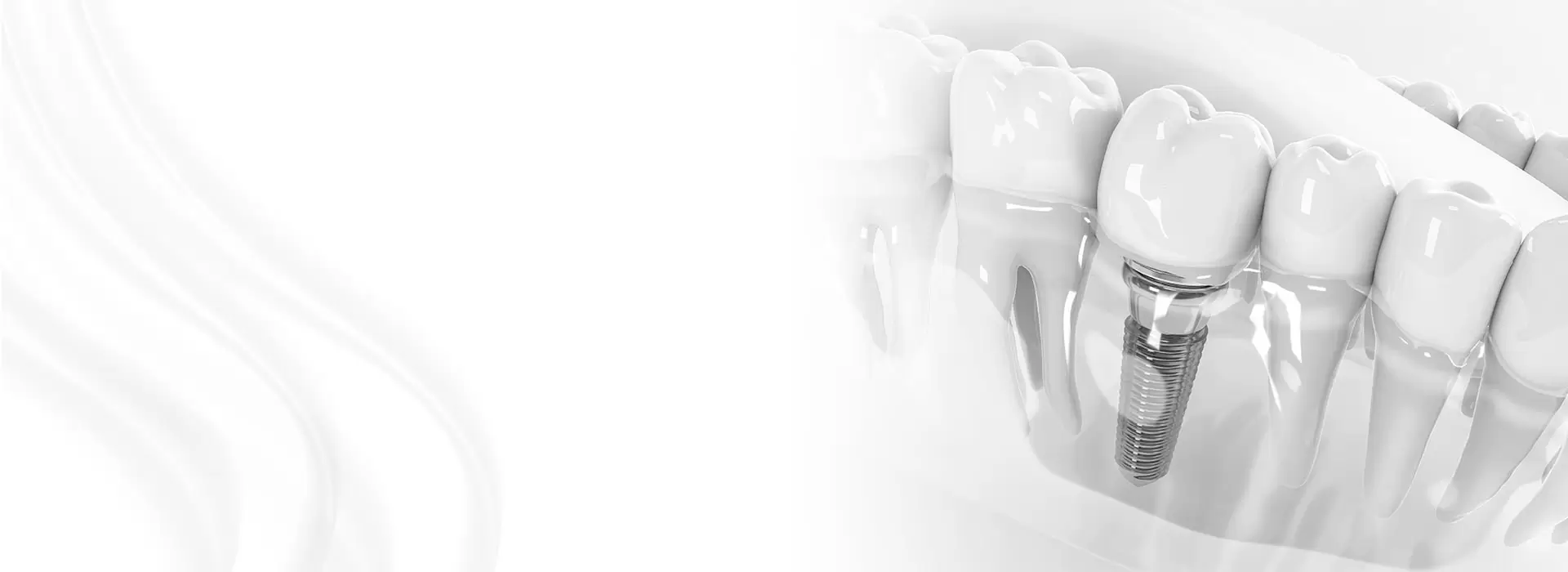
Dental implant surgery can restore chewing function, support facial structure and replace a missing tooth with a stable, natural-looking result. Still, the thought of local anaesthetic, surgical instruments or the sound of a dental handpiece can make even routine implant treatment feel overwhelming. Learning how to manage dental anxiety during implant surgery can help you approach each stage with greater control.
For Australian patients considering treatment overseas, preparation matters from the first consultation through to recovery at home. TruDent Clinics in Izmir, Turkey, creates personalised implant plans after assessing oral health, bone volume and general medical history. A clear plan, honest communication and appropriate anxiety support can make the experience feel far more manageable.
Understand what will happen before treatment
Fear often grows when the process feels unknown. During your consultation, ask the implant dentist to explain the sequence in plain language: examination and scans, treatment planning, anaesthetic, implant placement, healing and any later crown or bridge appointment. Knowing what is happening at each stage can reduce the tendency to imagine the worst.
A 3D dental scan may be used to assess the jawbone, nerves and available space. The dentist can then explain the proposed implant position, expected surgery time and whether bone grafting or an extraction is needed. This information also helps you understand which parts of treatment may happen during one visit and which require a separate appointment.
Tell the clinic about previous difficult dental experiences, panic symptoms, a sensitive gag reflex or a fear of needles. These details are clinically relevant, not embarrassing. A dentist who knows your concerns can arrange extra time, explain each step before it occurs and agree on a simple signal, such as raising your left hand when you need a pause.
Choose anxiety support that suits your health
Local anaesthetic is used to numb the treatment area, so you should not feel sharp pain during implant placement. You may notice pressure, movement or vibration, which is different from pain. Let the dentist know immediately if you feel discomfort so the area can be checked and additional anaesthetic provided where appropriate.
Some patients manage well with communication, breathing exercises and a calm environment. Others may benefit from sedation. Depending on your medical history, treatment plan and local clinical protocols, the dentist may discuss oral medication, inhaled sedation or intravenous sedation. Sedation does not remove the need for local anaesthetic, and you must follow the clinic’s instructions carefully.
Sedation can affect memory, coordination and alertness. You may need an adult escort, should avoid driving afterwards and may need to arrange a quiet recovery period. Patients travelling from Australia should confirm these requirements with the clinic before booking flights. It is also important to disclose medicines, allergies, sleep apnoea, pregnancy, heart conditions and previous reactions to sedation.
Prepare your mind and body before surgery
A short preparation routine can make the appointment feel more predictable. Write down your concerns, save the clinic’s instructions on your phone and plan the day around rest rather than errands. Avoid arriving rushed after navigating Istanbul Airport or a busy Izmir transfer; allow extra travel time so you can reach the clinic settled and comfortable.
Practise slow breathing in the days before treatment. Breathe in gently through your nose for about four seconds, then breathe out for six seconds. The longer exhalation can help reduce physical tension. Progressive muscle relaxation, guided meditation and familiar music through headphones may also help, provided the dentist can communicate with you during surgery.
Follow the clinic’s instructions about eating, drinking and medication. These rules vary according to the type of sedation. Wear loose clothing, leave jewellery at your accommodation and arrange transport if required. If you are travelling from Melbourne, Sydney, Brisbane or Perth, allow time to recover from the flight before surgery rather than scheduling treatment immediately after landing.
Australian patients should also plan the financial and practical side in advance. Dental implants are generally not covered by Medicare, while private health extras may provide only limited benefits depending on the policy and waiting periods. Ask for a written quote covering scans, surgery, abutments, crowns, medication, follow-up appointments and any additional procedures.
Stay in control during the appointment
A sense of control can be as valuable as sedation. Agree on communication signals before treatment begins. A raised hand can mean “please pause”, while a thumb signal can show that you are comfortable. You can also ask the dentist to explain what will happen before touching the treatment area, rather than describing every detail while the procedure is underway.
Many people find it easier to focus on a neutral distraction. Music, an audiobook or a podcast can occupy your attention, although headphones should allow you to hear the dental team. Some clinics may offer calming surroundings, and a support person can provide reassurance before or after the procedure if the clinic permits it.
Try to keep your shoulders, hands and jaw relaxed. Clenching can increase fatigue and make the appointment feel harder. Concentrate on slow breathing and remind yourself that the clinical team can pause when needed. If anxiety rises sharply, signal for a break instead of trying to tolerate it silently.
Pain after dental implant surgery is usually managed with the medication and care instructions provided by the dentist. Swelling and tenderness can occur during the first few days. Take prescribed or recommended medicines exactly as directed, use cold packs if advised and avoid smoking, alcohol and strenuous exercise during the initial recovery period.
Make recovery part of your anxiety plan
Knowing what to expect after surgery can prevent worry from returning once you leave the clinic. Mild bleeding, swelling, bruising or a tight feeling around the implant site may be normal, but the dentist should explain which symptoms require contact. Keep the clinic’s emergency number available, especially if you are staying in Izmir for treatment.
Choose soft foods that do not require heavy chewing, such as yoghurt, eggs, mashed vegetables or soup that is warm rather than hot. Follow instructions about brushing around the surgical site and using any prescribed mouth rinse. Do not disturb the area with your fingers or tongue, and avoid smoking because it can impair healing and increase implant complications.
Arrange follow-up care before returning to Australia. Your Australian dentist can monitor healing, manage routine concerns and coordinate later restorative work when appropriate. If you return to regional New South Wales, Queensland or Western Australia, identify a local dental practice before travelling so you are not searching for care while uncomfortable.
Seek prompt dental advice if you develop uncontrolled bleeding, worsening pain, significant swelling, fever, difficulty swallowing or breathing, or symptoms that concern you. Anxiety can make normal sensations seem alarming, while genuine complications also deserve quick attention. Clear aftercare guidance helps you distinguish between the two.
You do not need to appear fearless to have a successful implant procedure. A calm treatment plan, open discussion of your worries, suitable sedation when clinically appropriate and practical travel arrangements can make the experience more comfortable. TruDent Clinics can assess your needs in Izmir and explain the available options for implant treatment, anxiety support and follow-up care. Schedule a consultation to discuss your dental history and receive a personalised plan before making travel arrangements.