Managing Post-Operative Swelling After Dental Implant Surgery
Recovery after implant placement is usually straightforward, but the first 72 hours often bring visible puffiness around the cheek, jaw, and sometimes the neck. Swelling is a normal inflammatory response, signalling that the body is sending blood, nutrients, and immune cells to the surgical site. For patients travelling abroad for treatment, like the many Australians who book implant procedures in Turkey each year, understanding how to manage that swelling on a long flight home and during the days that follow can make a meaningful difference to comfort and healing.
Most clinics provide written aftercare instructions before the patient leaves the chair, yet those sheets are often skimmed through in a recovery room blur. This guide walks through what to expect, what helps, what to avoid, and when a call to the treating dentist is genuinely warranted. The advice applies to anyone who has had a single implant, multiple implants, or a sinus lift paired with implant placement, since swelling patterns tend to be similar regardless of the complexity of the work.
Australians heading back to Sydney, Melbourne, Brisbane, Perth, or Adelaide after treatment in İzmir typically face a journey of more than 20 hours door to door. Cabin pressure, dehydration, and prolonged immobility can amplify facial swelling, which makes planning the return trip as important as planning the surgery itself. The good news is that swelling peaks around day two or three and then settles steadily, provided the right steps are taken early.
Why Swelling Happens and What Is Normal
The body treats implant placement much like any other controlled injury. When the gum is opened and the jawbone is prepared with a series of carefully sized drills, the surrounding soft tissue and bone respond by releasing fluid and widening local blood vessels. This produces the classic puffy cheek, a tight feeling when opening the mouth, and sometimes mild bruising near the chin or under the eye. Bruising is more common when the surgery involved bone grafting or a sinus lift, since these require a little more soft-tissue manipulation.
A small amount of blood oozing from the surgical site during the first 24 hours is also expected. Swelling that increases up to day three and then starts to decrease is part of the normal healing curve. Anything that continues to worsen after day four, or swelling accompanied by severe pain, fever, or a foul taste, sits outside that curve and warrants a professional review.
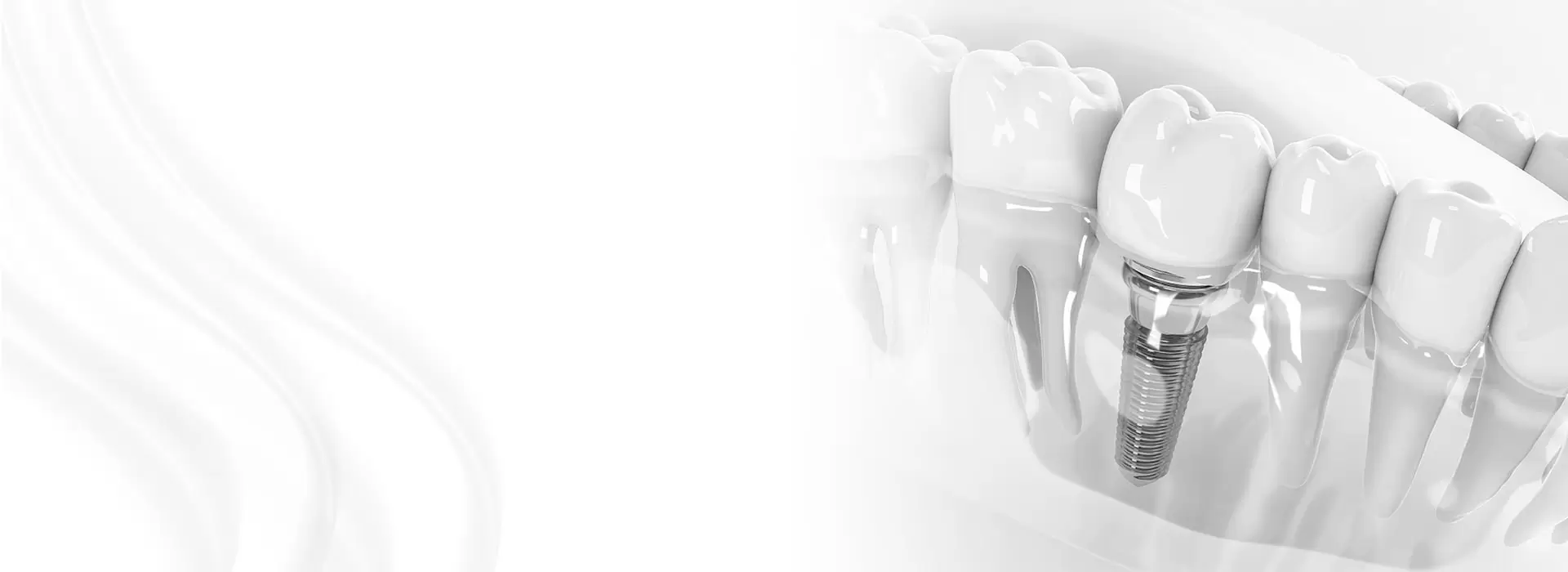
Patients sometimes worry that swelling means the implant has failed. In the vast majority of cases, swelling is unrelated to osseointegration, the biological process by which the titanium post fuses with the jawbone. Provided the area looks clean and pain stays within manageable limits, the early puffiness is a healthy sign of healing, not a warning sign.
Cold Compresses and the First 48 Hours
Cold therapy is the single most effective way to limit swelling in the first two days. A reusable gel pack wrapped in a thin tea towel, applied to the cheek over the surgical area for 20 minutes on and 20 minutes off, keeps the soft tissue cool without risking a burn. Ice should never sit directly against the skin, and sessions should be limited to the waking hours of day one and day two. After that, cold offers diminishing returns.
The Australian summer adds a small twist. Patients returning home in December, January, or February often walk off the plane into 35-degree heat in cities like Brisbane or Adelaide. Heat encourages vasodilation, which can slow the resolution of swelling. Planning to rest indoors with air-conditioning for the first few days back, keeping the head slightly elevated on an extra pillow, and avoiding direct sun on the face can all help.
Hydration matters just as much. Long-haul flights dehydrate the body, and dry tissues recover more slowly. Water sipped steadily during the flight and the days afterwards supports lymphatic drainage, the system that carries away the excess fluid causing visible puffiness. Alcohol and caffeine should be avoided for at least 48 hours, as both can worsen dehydration and interact with prescribed pain relief.
Medications and What the TGA Allows
Most clinics prescribe a short course of antibiotics, an anti-inflammatory such as ibuprofen, and a stronger painkiller for the first few days. Australians travelling home with these medications should be aware of the rules set by the Therapeutic Goods Administration. Prescription-only medicines can be brought into Australia for personal use in quantities consistent with the length of the trip, but carrying the original packaging, the prescription, and a copy of the clinic's letter makes customs smoother.
Ibuprofen is the workhorse of post-implant swelling control because it targets the prostaglandins that drive inflammation, not just the sensation of pain. Paracetamol can be layered between ibuprofen doses if breakthrough discomfort occurs. Patients on blood thinners, those with asthma worsened by NSAIDs, or anyone with a history of stomach ulcers should review the choice of anti-inflammatory with their GP before flying out of Turkey.
Some clinics now offer platelet-rich fibrin treatment, a technique that uses the patient's own blood to speed soft-tissue recovery. While not available everywhere in Australia, several practices in Melbourne, Sydney, and the Gold Coast offer it as a follow-up option for returning dental tourists. Discussing this with the local dentist before the trip allows for a seamless referral and a shorter recovery window.
Eating, Speaking, and Daily Habits
Soft, cool foods are the order of the day for the first week. Yoghurt, smoothies, scrambled eggs, lukewarm soups, and mashed vegetables provide nutrition without disturbing the surgical site. Straws should be avoided, since the suction can dislodge the protective blood clot forming around the implant. Crunchy, spicy, or very hot foods can irritate the gum and slow healing, so it is worth resisting the temptation of a flat white or a curry during the early days back in Australia.
Speaking and smiling may feel awkward for the first few days as the cheek adjusts to the new contours of the swollen tissue. Gentle jaw exercises, such as slowly opening and closing the mouth within a comfortable range, help prevent stiffness. Patients who wear removable dentures or a temporary prosthesis over the implant area should follow the clinic's instructions on when and how to reinsert it, since pressure on a fresh surgical site can worsen swelling.
Smoking is one of the strongest predictors of poor healing around implants. Australian private health insurers, including Bupa, Medibank, and HCF, typically pay major dental benefits only once a waiting period has been served, so protecting the investment makes financial as well as medical sense. Even cutting back for the two weeks before and two weeks after surgery has been shown to improve early soft-tissue outcomes.
Flying Home: Practical Steps for the Long Haul
The return journey deserves its own plan. Booking an aisle seat makes it easier to stand, stretch, and walk to the rear of the cabin every couple of hours, which supports circulation in the legs and reduces overall fluid retention. Compression socks are a sensible addition for the flight from Istanbul to the eastern seaboard, where passengers can be seated for 14 hours or more before the connection.
Cabin humidity is low, so sipping water throughout the flight keeps the mucous membranes and facial tissues hydrated. A small gel pack, frozen before departure and placed in a cooler bag for transit, can be wrapped in a hotel towel during the flight and used as a cold compress. This simple trick lets patients continue the cold-therapy protocol even at 35,000 feet.
Patients connecting through Dubai, Singapore, or Doha should plan for a long layover if they want to rest properly before the final leg. Many airport hotels in these hubs offer day-use rooms at reasonable rates, and lying flat for a few hours makes a noticeable difference to facial swelling on arrival. The Dental Board of Australia recommends that returning dental tourists arrange a local follow-up within the first week, so booking that appointment before leaving Turkey keeps the recovery on track.
When Swelling Signals Something More Serious
Most swelling resolves within seven to ten days. Anything that deviates from this pattern deserves attention. Increasing swelling after day four, swelling that feels hot and firm to the touch, severe throbbing pain that does not respond to prescribed medication, fever above 38 degrees Celsius, or a sudden bad taste in the mouth can point to infection. The clinic that performed the surgery should be the first point of contact, since it knows the details of the procedure.
If reaching the original clinic is not practical within the timeframe, an Australian emergency dentist or a local hospital can take over the immediate care. Telehealth services covered by Medicare now allow quick video consultations, and a dentist in Sydney, Perth, or any capital city can review the situation, prescribe additional medication if needed, and arrange an in-person review. Acting quickly prevents a small issue from becoming a serious one.
Call the TruDent Clinics team directly if anything feels off during the recovery period. The clinic provides ongoing support for international patients and can coordinate with a local dentist in Australia to ensure that healing continues smoothly long after the flight home.