Managing tooth sensitivity after professional whitening
Professional teeth whitening can remove stains and create a brighter smile, but temporary sensitivity is a common after-effect. You may notice a sharp reaction to cold air, iced water, coffee or something sweet. The discomfort can feel more intense than expected, yet it does not automatically mean that whitening has damaged your teeth.
Sensitivity usually begins during the first day and gradually settles over several days, although some people experience it for a few weeks. The timing and severity depend on the whitening system, its concentration, the length of treatment and your existing dental condition. Recessed gums, exposed dentine, old fillings, cracked teeth and untreated decay can make teeth more vulnerable.
Australian summers and everyday habits may make sensitivity more noticeable. Cold drinks are popular in Brisbane and Perth, while iced coffee is a daily feature in Sydney and Melbourne. Warm weather can also encourage frequent use of acidic sports drinks. Knowing what happened during your appointment, which triggers cause pain and how long it lasts will help your dental team decide whether you need additional treatment or simply careful aftercare.
Why whitening causes sensitivity
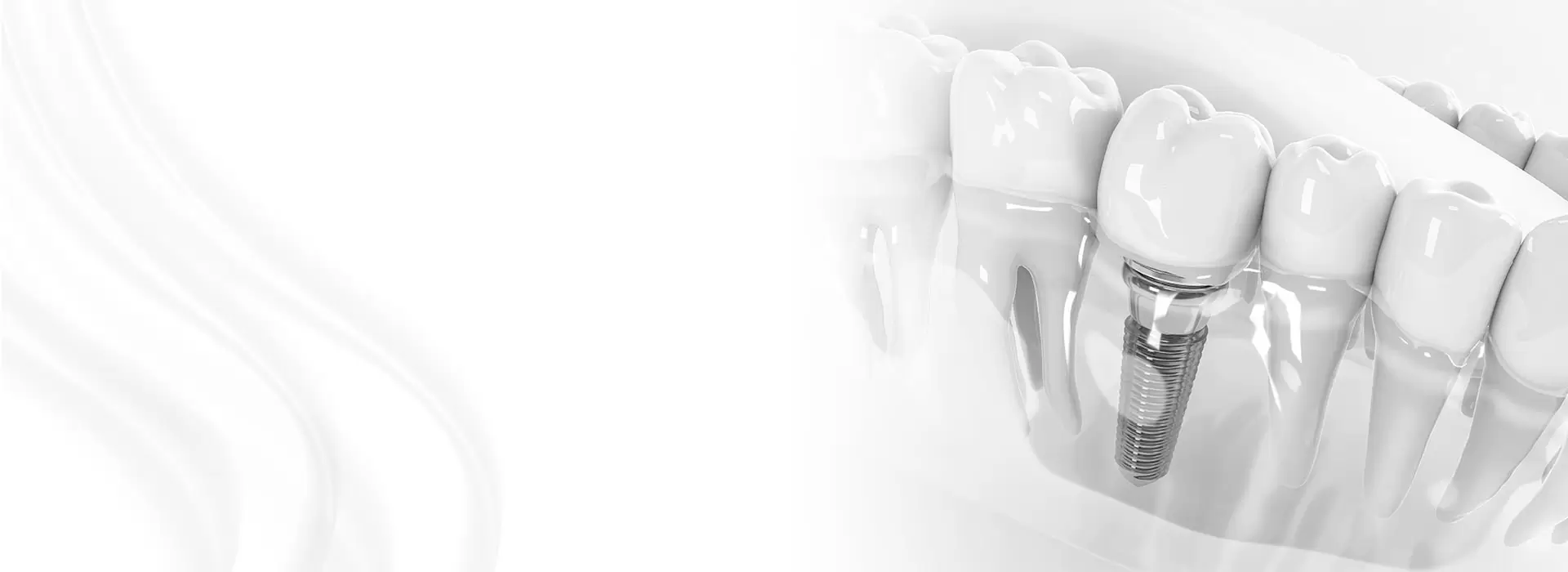
Teeth consist of a protective outer layer called enamel and a softer tissue underneath called dentine. Dentine contains microscopic tubules that transmit stimuli towards the nerve inside the tooth. Whitening agents such as hydrogen peroxide or carbamide peroxide can reach the dentine, particularly through naturally thinner enamel or exposed root surfaces. Movement within the dentinal tubules may then produce a short, sharp pain.
This reaction is often temporary because the tooth pulp adjusts and the exposed area gradually settles. It is different from persistent pain caused by decay, a leaking filling or a cracked tooth. Your dentist should therefore assess existing problems before whitening rather than treating every episode of discomfort as a normal reaction.
Age, aggressive brushing and gum disease can also contribute. Some people naturally have thinner enamel, while others experience recession after periodontal treatment. These factors may influence the whitening strength, the number of sessions and the desensitising measures used before or after the procedure.
What sensitivity may feel like
Mild sensitivity often appears as a quick, shooting sensation when air or a cold drink touches a tooth. It usually lasts only a second or two. Hot food, sweets, acidic beverages and even a new filling can become triggers during the recovery period. The affected teeth may also react more strongly at night or when you bite down.
Moderate sensitivity may be more noticeable and linger for several seconds after the stimulus is removed. It can affect several upper or lower front teeth, depending on where the whitening gel was placed. Discomfort that comes and goes throughout the day is different from pain that continues without any obvious trigger.
Record when the sensitivity starts, which teeth are involved and whether it is sharp, throbbing or radiating. Mention any swelling, gum tenderness, chipped enamel or pain that wakes you at night. Clear details are more useful than describing the experience only as “sensitive,” particularly if you are travelling home after treatment in İzmir.
Relief during the first 48 hours
Follow the aftercare instructions supplied by your dentist, including any recommended timing for brushing or rinsing. For the first day or two, reduce obvious triggers by choosing lukewarm food and drinks and avoiding very cold or hot items. You do not need to eliminate every enjoyable food, but limiting repeated exposure to strong triggers can make the initial period more comfortable.
A soft toothbrush and gentle brushing technique will help protect sensitive areas. Australian pharmacies and supermarkets commonly stock desensitising toothpastes containing potassium nitrate, while some fluoride products also support enamel repair. Use these as directed, and do not scrub harder or apply more paste than recommended in an attempt to accelerate relief. If you are unsure which product suits your symptoms, a pharmacist can explain the active ingredients.
Your dentist may recommend a high-fluoride toothpaste, a fluoride varnish or a professionally applied desensitising agent. Simple pain relief may be appropriate for short-term use if you can take it safely and your dental team agrees. Avoid acidic sports drinks, alcohol-based mouthwash and tobacco while the teeth are reacting. Chewing sugar-free gum after meals can encourage saliva flow, which helps protect enamel.
Recovery, follow-up and warning signs
Sensitivity often starts to improve within a few days, with most people noticing steady relief during the following one or two weeks. Reintroduce colder foods gradually and note whether the teeth remain comfortable. Avoid repeatedly testing a sensitive tooth with ice, as this can cause unnecessary stimulation and make it difficult to judge normal improvement.
If discomfort continues beyond the period your dentist advised, arrange a review. The underlying cause may be exposed root surface, a defective restoration, decay or microfracture rather than the whitening itself. Depending on the findings, treatment might include repairing a filling, covering exposed dentine with bonding, applying a desensitising varnish or using a lower-concentration whitening system.
Seek prompt dental care for spontaneous pain, significant pain when biting, facial swelling, fever, pus or a broken tooth. These are not typical signs of routine sensitivity. If you return to Australia and symptoms worsen, contact a local dentist promptly; offices in Melbourne, Brisbane, Perth and Sydney can provide follow-up while you are away from İzmir.
Elective whitening is generally not covered by Medicare, and many Australian private health policies exclude cosmetic procedures. Check your policy before travelling. If you carry prescription medicines or unusually large quantities of dental products through Australian Customs, consult the Department of Health’s Traveller’s Health Guide and Border Force requirements. Keep medication in its original packaging and declare anything uncertain.
Secure a clear whitening and aftercare plan
A consultation should include an examination of your gums, enamel, fillings and existing sensitivity before any whitening begins. Tell the dentist about cold sores, recent dental work, periodontal treatment, allergies and every medication or supplement you use. This information allows the team in İzmir to adjust the treatment and prepare a realistic recovery plan.
Ask for written guidance covering the whitening product, expected sensitivity, recommended toothpaste, food and drink precautions, and when follow-up is required. Keep your appointment notes and the name of the whitening system in case a dentist in Australia needs to assess your teeth. If treatment causes significant pain rather than mild temporary discomfort, contact TruDent Clinics promptly rather than waiting for the next scheduled visit.
Before booking, you can review TruDent Clinics’ TEMPOS certificate and discuss the clinic’s qualifications and proposed approach. Schedule a consultation with the team in İzmir and request a personalised whitening plan that includes tooth-sensitivity prevention, clear aftercare instructions and an appropriate local follow-up strategy for your return to Australia.