Planning Meals Around Dental Crown Cementation
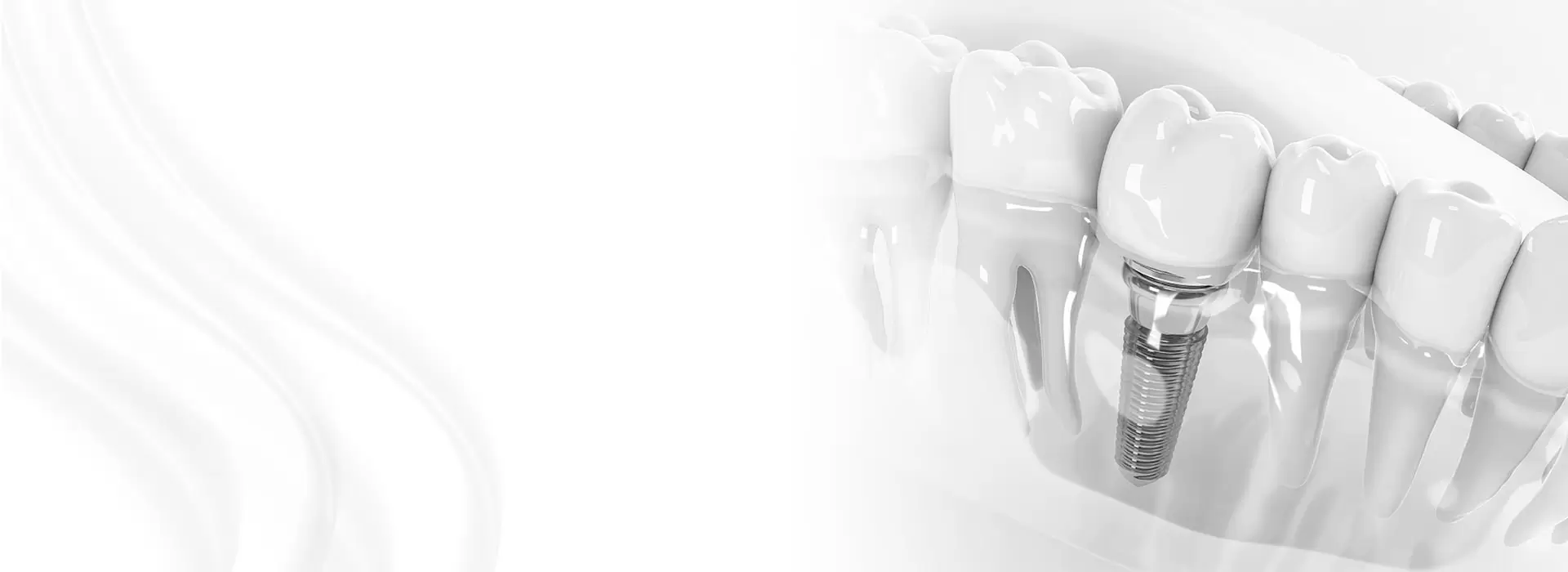
Dental crown cementation is the stage where a prepared crown is secured over a damaged or heavily restored tooth. What you eat before and after the appointment can affect comfort, protect the new restoration and make it easier to notice whether your bite feels natural. A little meal planning is especially useful when you have work, school, travel or family commitments in the same day.
For patients in Australia, appointment timing may need to fit around a commute across Melbourne, a busy workday in Sydney or a long drive between regional towns. Your dentist’s instructions always take priority, particularly if you are receiving sedation, having a temporary crown fitted or undergoing additional treatment such as a root canal.
Preparing Your Meals Before The Appointment
If your appointment involves local anaesthetic only, eating a normal meal beforehand is usually sensible. Choose something filling but easy to digest, such as eggs with toast, a chicken and rice bowl or yoghurt with oats. Arriving hungry can make the appointment feel harder, especially if you cannot eat comfortably for a few hours afterwards.
Avoid a very large, greasy meal immediately before treatment. Foods that commonly cause reflux, bloating or thirst may be uncomfortable while you are reclining in the dental chair. It is also worth limiting very sticky foods, such as caramel or chewing gum, because remnants can remain around the tooth being treated.
If sedation is planned, do not assume that the same meal advice applies. Some forms of sedation require fasting or a specific period without food and drink. TruDent Clinics or your treating dentist should provide clear instructions, including whether you need an escort home and when you can resume eating.
Eating During The First Few Hours
After crown cementation, wait until the numbness from local anaesthetic has completely worn off before chewing. This helps prevent accidental bites to your cheek, lip or tongue. It also reduces the risk of placing excessive pressure on a newly cemented crown before you can properly judge how your teeth come together.
A cool or lukewarm, soft meal is generally comfortable during this period. Smooth soup that is not hot, mashed vegetables, scrambled eggs, pasta, soft fish and yoghurt can provide nourishment without demanding much chewing. Sip water normally, but avoid testing the crown repeatedly with your tongue or biting down on hard objects.
Your dentist may give different instructions depending on the type of cement used and whether the crown is temporary or permanent. Some clinicians advise waiting a set period before chewing on the treated side. Follow that timing even if the tooth feels comfortable, as the cement may need time to stabilise fully.
Gentle Food Choices For Crown Care
For the first day or two, favour foods that are soft, moist and easy to divide into small bites. Chew on the opposite side of your mouth when possible, especially if the crown is temporary. A temporary crown is designed to protect the prepared tooth until the final restoration is placed, but it is generally less durable and less securely attached than a permanent crown.
Temperature sensitivity can occur after crown treatment, particularly when the tooth has had substantial preparation. Lukewarm foods may be more comfortable than very hot coffee, iced drinks or frozen desserts. Australians often rely on a morning flat white, but it may be wise to let it cool and avoid sipping it continuously if the treated tooth is sensitive.
Meal Ideas For The First Day
- Scrambled eggs with avocado and soft toast
- Vegetable soup with tender pasta or rice
- Yoghurt with banana and finely ground oats
- Soft fish with mashed potato and steamed vegetables
Small portions eaten slowly are often easier than one large meal. If you are travelling home through Brisbane’s heat or spending time outdoors in Perth, carry water and choose foods that can be kept safely chilled. Do not leave dairy, meat or prepared meals in a warm car, as food safety matters while you are recovering.
Foods To Delay While The Crown Settles
Hard and crunchy foods can place a sudden load on the crown or the tooth underneath it. Avoid biting directly into raw carrots, whole apples, ice, popcorn kernels, hard lollies and crusty baguettes during the initial settling period. You can usually make these foods safer by cooking, cutting or softening them, then chewing away from the treated area.
Sticky foods deserve particular caution. Toffee, caramel, fruit bars and chewing gum may pull at a temporary crown or lodge around the margins. Very acidic drinks, including frequent soft drinks and some sports drinks, can contribute to enamel erosion and may worsen sensitivity, although one occasional drink is different from repeated exposure throughout the day.
Foods And Habits To Avoid Temporarily
- Ice chewing and hard boiled lollies
- Chewing gum, toffee and sticky caramel
- Biting fingernails, pens or packaging
- Very hot, icy or highly acidic drinks
A weekend barbecue does not have to be cancelled, but choose tender meat, soft bread and cooked vegetables instead of tearing through tough steak or crunching on hard corn cobs. The same principle applies to popular Australian snacks such as hard crackers and raw vegetable platters: cut them into small pieces and use the side away from the crown.
Returning To Your Normal Eating Routine
Many people can gradually return to their usual meals once the anaesthetic has worn off and the crown feels stable. Start with moderate pressure and pay attention to your bite. The crown should feel secure, and your upper and lower teeth should meet without a noticeable high spot or the need to shift your jaw.
If the crown is on a back tooth, continue to be careful with hard foods for several days, especially if your dentist has recommended a longer settling period. Brush as usual, using a gentle technique around the gumline. Floss carefully by sliding the floss out through the side rather than snapping it upwards, which can tug at a temporary crown.
Your longer-term diet does not usually need major restrictions once a permanent crown has settled. Good oral hygiene and regular dental reviews remain important. Crowns can restore function, but the tooth and surrounding gums still need protection from plaque, decay and excessive biting forces. Patients who grind their teeth may be advised to use a custom night guard.
Contact your dentist if the crown feels loose, comes out, causes persistent or increasing pain, or remains noticeably high when you bite. Mild sensitivity can be expected, but severe pain, facial swelling, fever or difficulty swallowing requires prompt dental advice. If a temporary crown comes off, keep it safe and contact the clinic rather than trying to permanently reattach it with household glue.
At TruDent Clinics in Izmir, personalised dental plans can take account of the crown material, the condition of the tooth, your bite and any other treatment you may need. Patients travelling from Australia should arrange enough time for follow-up care and avoid planning a long flight immediately after treatment without discussing it with the dental team. A consultation can clarify the appointment sequence, expected recovery and practical meal arrangements before you travel.
If you are considering a crown or need advice after crown cementation, contact TruDent Clinics to arrange a consultation. The dental team can assess your tooth, explain the treatment stages and provide specific eating instructions suited to your restoration and overall oral health.