How to plan your recovery time after getting dental implants or veneers
Going overseas for cosmetic dental work has become a fair dinkum option for many Australians looking to save a few grand on treatment. Clinics like TruDent in Izmir offer veneers, crowns, and implants at a fraction of what you'd pay at a local practice, but the bit people often forget is the downtime. Whether you're flying home from Turkey after a smile makeover or having it done locally, the recovery time can catch you out if you haven't thought it through.
A bit of forward thinking means you can avoid taking too much time off work, miss key social events, or land back in Sydney or Melbourne still puffing up like a bull ant. Planning your healing period properly makes the whole experience feel less like a chore and more like a proper break. Here's what you need to factor in before, during, and after the procedure.
Veneer and implant recovery are different beasts
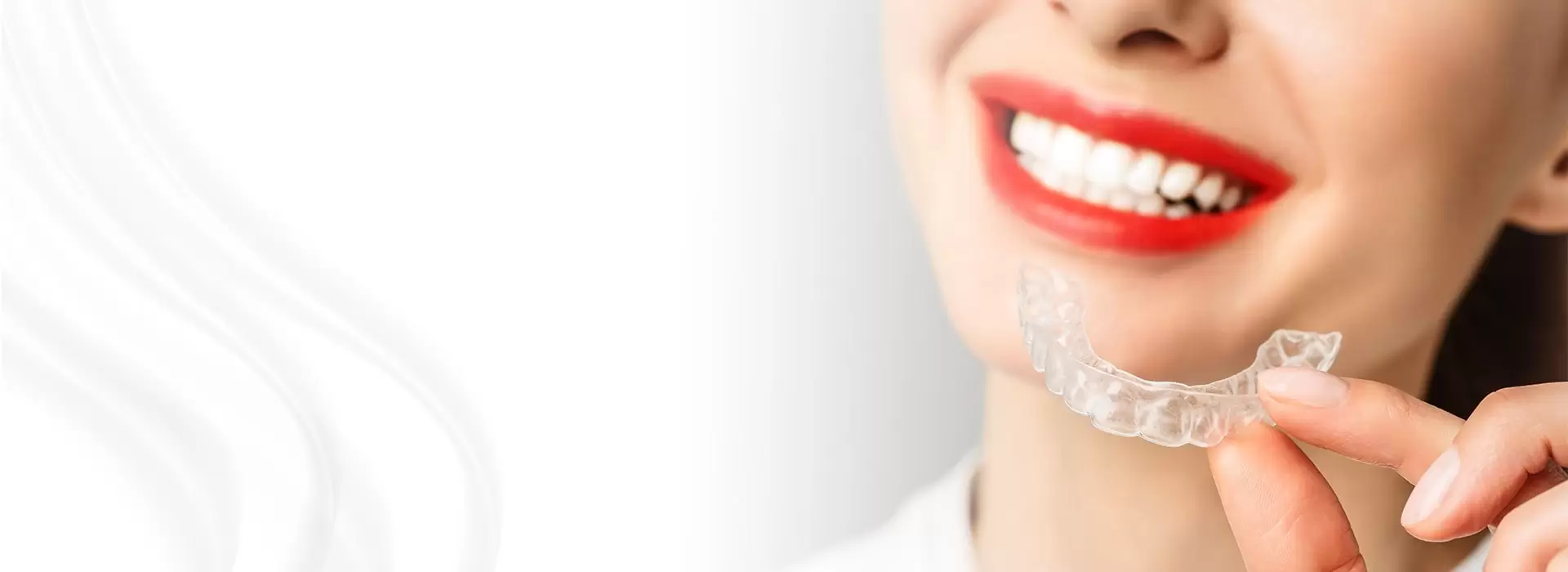
Veneers are usually the quicker road to a new smile. The procedure itself often wraps up across a couple of appointments, and the actual downtime is modest. You could be back at work within a day or two, although your gums might feel tender and your bite might feel a touch off while you adjust. Mild sensitivity to hot and cold drinks for a week or so is common, particularly after the small amount of enamel removal involved.
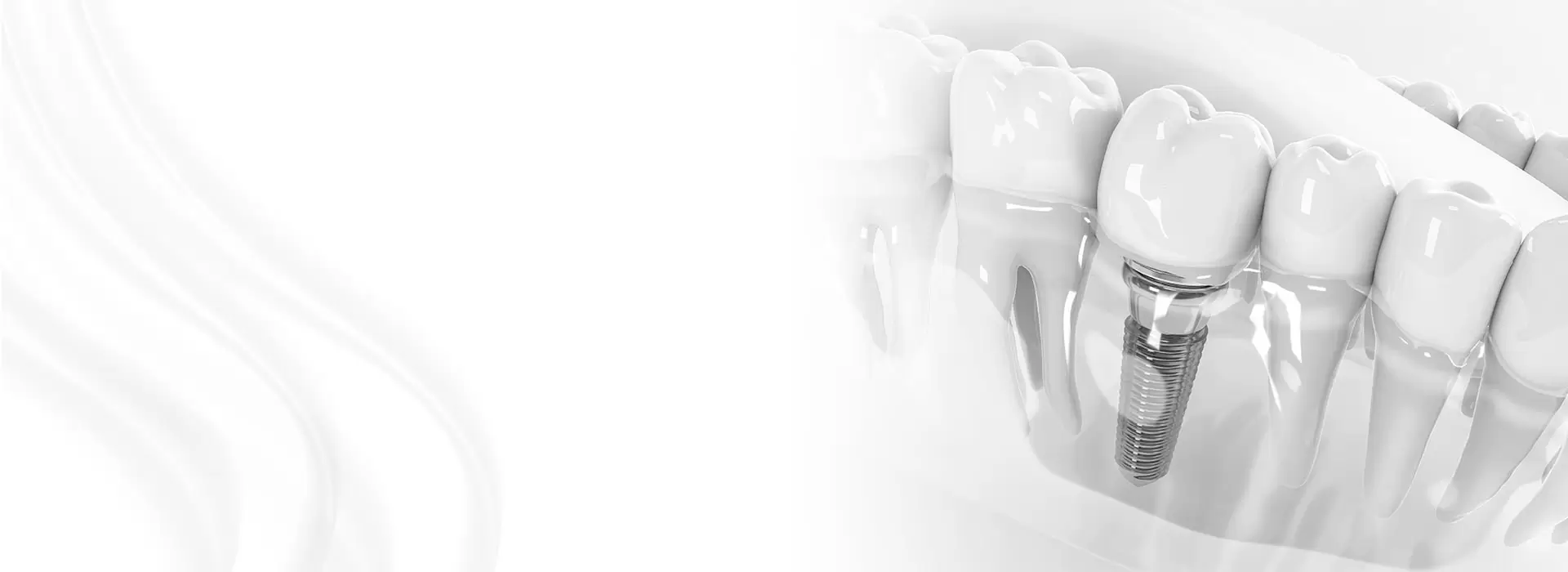
Implants are a different kettle of fish entirely. A surgical post goes into the jawbone, and the body needs proper time to fuse with the titanium through osseointegration. That full process can take three to six months to settle, but the acute phase is usually the first one to two weeks. Expect swelling, bruising around the cheeks, mild discomfort, and a soft-food-only situation for several days. If you're having multiple implants or a sinus lift on top, budget even more time before you feel like your usual self.
Mapping out your first seven days
The first week after either treatment is when you'll want to keep things quiet. For veneers, most soreness fades after two or three days, and any local anaesthetic wears off within a day. By day four, you can usually eat most foods again, though sticky lollies and very hard nuts are best avoided for a couple of weeks.
For implants, day one is usually the roughest. You'll want pain relief, ice packs, and a stash of lukewarm soups and smoothies. Days two and three often bring peak puffiness, which is no time for important meetings. By the end of the week, the stitches usually come out and most obvious puffiness has settled. Plan to spend this week at home, catching up on Netflix or doing light admin from the couch if you must.
Stocking your recovery kit before you fly
Whether you have treatment in the city or fly to Turkey, a few basics sorted out before the day will save you a lot of faffing in a chemist in Melbourne or Sydney later. Pack a small soft-bristled toothbrush, alcohol-free mouthwash, and a tube of sensitive toothpaste. Salt sachets for saltwater rinses are handy and don't take up much room in your bag.
Ice packs or reusable gel packs are worth bringing. Frozen mango chunks in a snaplock bag also do the trick in a pinch. A small wedge pillow can help you sleep propped up for the first few nights, which reduces overnight swelling. All of this is easy enough to grab from a chemist in Izmir before you head to the airport.
| Factor |
Veneers |
Dental Implants |
| Initial downtime |
1–3 days |
5–10 days |
| Total healing |
2–4 weeks to settle |
3–6 months to integrate |
| Flying home |
2–4 days after treatment |
5–7 days minimum |
| Soft-food rule |
1–2 weeks |
2–4 weeks |
| Follow-up visits |
Routine dental check |
Multiple staged visits |
| Bruising risk |
Low |
Moderate to high |
The long-haul flight back to Australia
Flying from Izmir to Sydney, Melbourne, Brisbane, or Perth involves roughly twenty-plus hours of travel once stopovers in Doha, Singapore, or Dubai are factored in. Sitting upright in a plane seat with a fresh implant site is not ideal, particularly within the first seventy-two hours after surgery. Cabin pressure changes can worsen swelling and discomfort, and dry cabin air isn't great for healing gums.
Most dentists recommend waiting at least five to seven days after implant surgery before flying home. Veneer patients can usually fly sooner, often within forty-eight hours, but it's worth leaving buffer of three or four days in case of any last-minute adjustments. Book your return flight with a flexible date if you can swing the airfare difference, because healing doesn't run to schedules.
Work, social life, and getting active again
Australians are pretty good at chucking a sickie when needed, but for cosmetic dental work you might prefer to use annual leave so you don't burn through your sick entitlement. Most need at least three to five working days off after implants, while veneer patients often manage with a long weekend or a single arvo.
Strenuous exercise is a no-go for the first few days after implants. Heavy lifting, running, or anything that raises your blood pressure can worsen bleeding and swelling at the surgical site. Walking is fine, and a gentle swim is generally okay after stitches come out, though scuba diving should be avoided for at least two weeks. Veneer patients can usually return to a regular gym routine within forty-eight hours.
Social events like weddings, milestone birthdays, or races such as the Sydney spring carnival are worth planning around. Give yourself at least three weeks between the procedure and the photos. Bruising from implants can hang around longer than you'd expect, and nobody wants a swollen face in the family album.
Local follow-up care once you're home
Once you're back on Aussie soil, the aftercare doesn't stop. Book a check-up with a local dentist within the first week of arriving home. Your TruDent clinician will usually provide X-rays and a treatment summary that you can hand over. Many Australian dentists are happy to take over post-operative care, particularly for straightforward follow-ups, though some may charge a consultation.
Keep an eye on the area for any unusual swelling, persistent bleeding, or signs of infection. A bit of pink saliva is fine, but bright red bleeding after the first twenty-four hours warrants a call to the clinic. Saltwater rinses after meals help, and smoking dramatically increases the risk of implant failure. Watch your intake of hot drinks and alcohol in the first few days, both of which can interfere with healing. If anything unusual shows up, give your local practice a buzz as a first port of call.
Tips for planning your recovery window:
- Book at least a week off work for implants, even if you feel fine by day three
- Schedule the procedure at least three weeks before any major social events
- Bring soft snacks in your carry-on for the long flight home in case the meal service doesn't suit
- Confirm your return ticket is flexible so you can extend your stay if healing runs slow
- Arrange a follow-up appointment with a local dentist before you fly home
Reach out to TruDent Clinics in Izmir today to lock in a free online consultation. The team can map out your treatment timeline, including the recommended stay length based on the work involved, and help coordinate your appointments so your recovery time lines up with your work schedule and travel dates. Start planning your smile makeover and your healing window in one go, no matter which Aussie capital you're heading back to.