Prepare for a multiple dental implant consultation
If you are preparing for a consultation about dental implants for multiple teeth, you do not need to arrive with a fixed treatment already chosen. Instead, give the implant dentist enough information to assess your gums, bone, general health and expectations, then compare sensible ways of replacing the missing teeth. A useful appointment should leave you with a personalised plan, likely alternatives, itemised costs and a clear timeline.
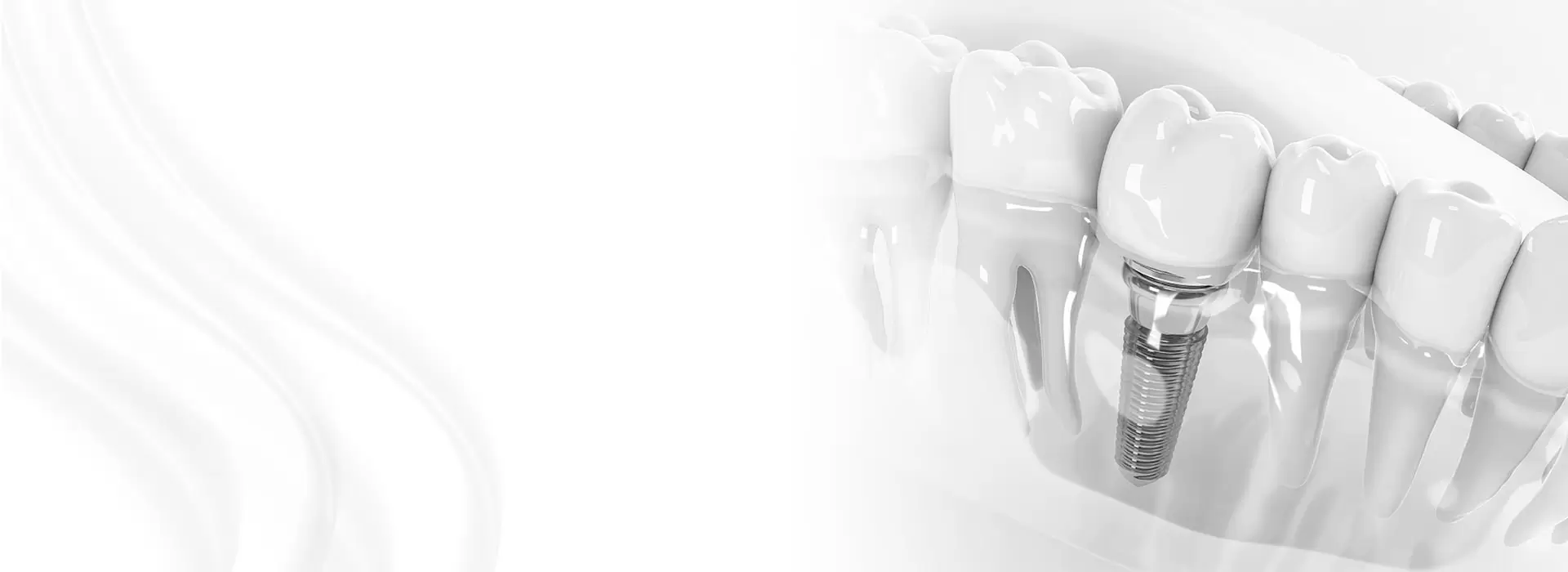
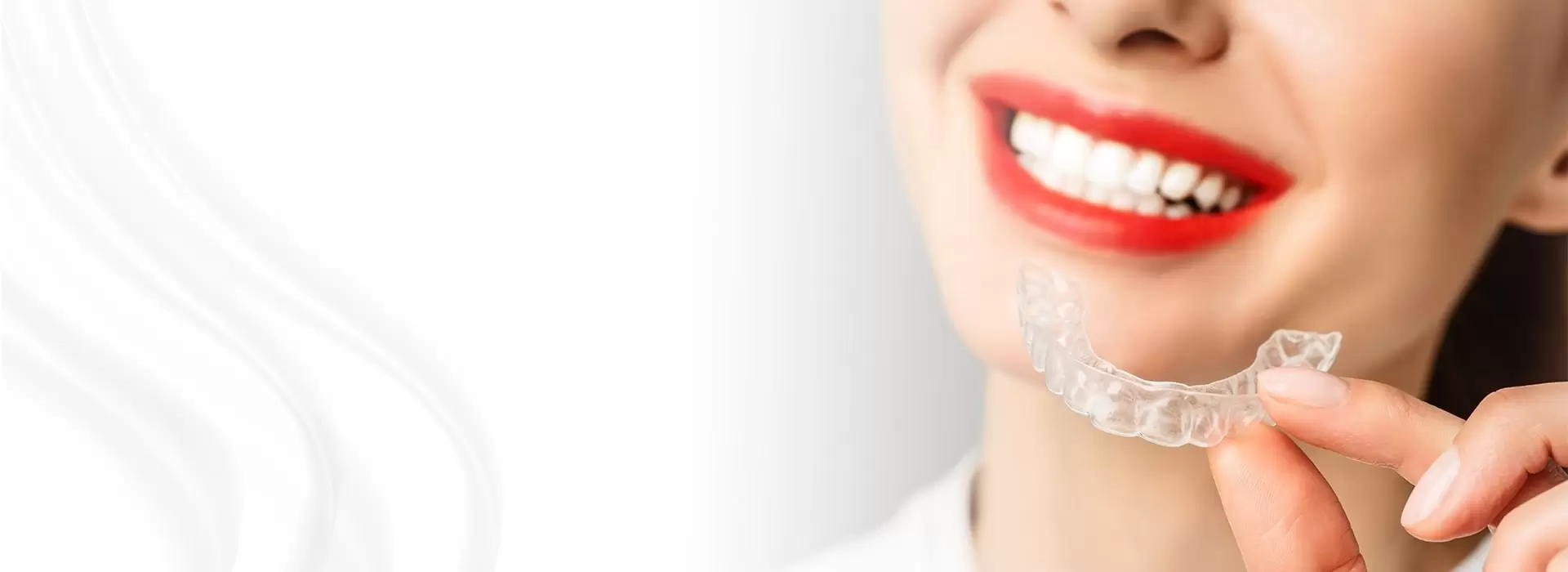
Multiple-tooth replacement may use separate implants, an implant-supported bridge or a full-arch prosthesis. The appropriate option depends on anatomy, bone quality and your desired outcome, rather than only the number of gaps. If treatment is planned in Izmir, arrangements for imaging, travel and long-term maintenance with an Australian dentist should be discussed from the start.
Understand the treatment options
Start by asking the dentist to explain the difference between individual implants for several gaps and implants supporting a bridge or full-arch restoration. Each approach has different prerequisites, maintenance needs and cost implications, and some patients may be better served by a combination of implants and natural teeth. The consultation should establish whether your anatomy appears to support the proposed number and position of implants and why any grafting would be necessary.
Ask how the result would function in ordinary situations, including eating, speaking, cleaning and smiling. Compare it with removable alternatives where relevant. An implant can restore appearance and function, but it still requires careful home care and regular professional reviews. Discuss infection, graft failure, nerve changes and peri-implantitis, as well as how smoking and poor plaque control can affect long-term success.
Build a complete health and dental history
Bring a concise account of why each tooth was lost, including decay, gum disease, trauma or grinding. Note current symptoms such as bleeding gums, loose teeth, pain, bad breath, an altered bite or difficulty opening your mouth. Previous extractions, periodontal treatment, root canal therapy, bone grafting and implant surgery all help the clinician judge healing capacity and identify possible causes that must be controlled first.
Create a current medication and supplement list. This is especially important if you take blood thinners, diabetes medicines, bisphosphonates or steroid medicines, or have a diagnosed bleeding, heart, bone or immune condition. Give the clinic your full medical history, allergy details, recent hospital admissions and relevant test results. Ask your GP or pharmacist for a written summary if needed, but never stop prescribed medicine solely to simplify a dental appointment.
Explain your smoking and alcohol habits, nutrition and history of regular dental visits. If you have been diagnosed with periodontitis, ask what has been done to stabilise the gums and how it will be monitored. An implant may be technically possible while the surrounding tissues remain unsuitable, so the order of treatment matters.
Define goals that suit daily life
Describe the outcome you want in practical terms: improved chewing, a stable bite, easier speech, a natural-looking smile or greater confidence in photographs and social situations. Mention any fixed deadline, such as a wedding, overseas trip or major work commitment, but leave room for healing. A timeline driven by a fixed event can increase pressure to choose a shortcut, whereas biological healing should determine the safe pace.
Consider everyday Australian habits when planning appointments and aftercare. Regular coffee and tea can stain provisional teeth, while gum disease may be associated with smoking and diabetes. Contact sports or frequent gym training can affect early healing, and stress-related clenching may damage provisional teeth or an eventual restoration. Patients in Sydney, Melbourne, Brisbane, Perth and regional centres should also allow time for follow-up and identify a nearby dentist for urgent care.
Understand assessment, scans and treatment timing
Expect a clinical examination covering your gums, bite, jaw joints and remaining teeth. The dentist may use digital scans, photographs, a panoramic radiograph or limited-field CBCT to evaluate bone height and width, sinus position and implant placement. Accurate three-dimensional imaging can improve planning, but it cannot replace clinical judgement. The surgeon must confirm safe placement during the procedure, and you should receive informed consent before treatment begins.
Ask for a staged timeline. If infected teeth or inadequate bone require extraction or grafting, healing may take several months before implants are placed. Osseointegration, the process of bone bonding with an implant, commonly takes a few months and varies between patients and clinical conditions. A temporary denture or bridge may be fitted during this period, followed by the definitive crown, bridge or full-arch prosthesis.
Clarify who will coordinate treatment and maintenance once you return to Australia. An overseas clinician may provide detailed aftercare instructions, but you may still need an Australian dentist for routine examinations, hygiene visits and urgent problems. Bring recent scans or x-rays if they can be shared securely, and ask whether the clinic’s imaging format can be used by your local provider.
Compare costs, regulations and clinic standards
Request an itemised written quote in Australian dollars and Turkish lira covering consultation and imaging, extractions, grafting, anaesthesia, implant components, temporary teeth, the final restoration and aftercare. Ask whether revision surgery, sinus grafting or additional grafting would be included. For an overseas trip, calculate travel, accommodation, companion expenses, an extended stay, currency variation and the cost of returning for a complication. Medicare generally does not subsidise elective implant treatment, and many Australian private health policies exclude it or apply waiting periods, so verify your policy rather than assume cover.
Dental implants are regulated as medical devices by the TGA, while dentists working in Australia must be registered under the Health Practitioner Regulation National Law through the Dental Board of Australia. For an overseas provider, check registration in the country where treatment will occur, the qualifications of the surgeon and restorative dentist, and who is responsible if you develop a problem after flying home. Ask about aseptic protocols, implant traceability, emergency arrangements and travel insurance. Guidance from the Australian Dental Association and relevant state dental authorities can also help you evaluate a plan.
Comparing written information from another provider, such as the process described by this implant clinic, can reveal which questions are missing from a clinic’s website. Look for detail about who performs each stage, how aftercare is managed and whether the stated fee includes imaging, grafting, temporary teeth and the final prosthesis. Promotional claims about pain, speed or lifetime results should be checked against your examination and the published evidence rather than accepted as guarantees.
Organise records and practical arrangements
Use your consultation to create a compact information pack. Keep documents separate from payment details, use secure file sharing where possible and confirm that the clinic can import international imaging. The following lists cover the material most likely to make the appointment more productive.
Health and dental records
- A current medication and supplement list, including doses and allergies
- Recent dental x-rays, scans, pathology results and treatment records
- A timeline of extractions, infections, grafts, implants and periodontal care
- Relevant GP letters, blood-test results and specialist reports
Travel and financial details
- Passport validity, intended travel dates and accommodation information
- Private health policy details, a written treatment quote and payment-plan terms
- Details of a companion, support person or insurer assistance plan
- The name and contact details of a local dentist for urgent aftercare
Leave time after the appointment to compare the plan with independent advice if a major decision is proposed. Do not feel obliged to pay a deposit at the first visit. A written estimate, consent record, named clinical team and agreed aftercare pathway are more useful indicators of a sound consultation than a discount or a promise of immediate treatment.
Book a personalised implant consultation
A consultation should be a two-way discussion. Ask the clinician to explain the proposed number of implants, why each stage is needed, the main risks, how long the result should last and what could cause failure. You should also understand the difference between essential treatment and optional upgrades, and how problems involving grafts, provisional teeth or the final fit would be managed.
If you are considering care in Izmir, start by requesting the clinic’s records checklist and secure upload instructions. Read patient feedback for another perspective on communication and the treatment journey, while treating individual experiences as a complement to independent checks. Contact TruDent Clinics to schedule the consultation with the implant team, confirm whether remote preliminary assessment is possible and agree how treatment, payments and Australian aftercare will be coordinated.