Preparing for a dental bone graft: rest and medication
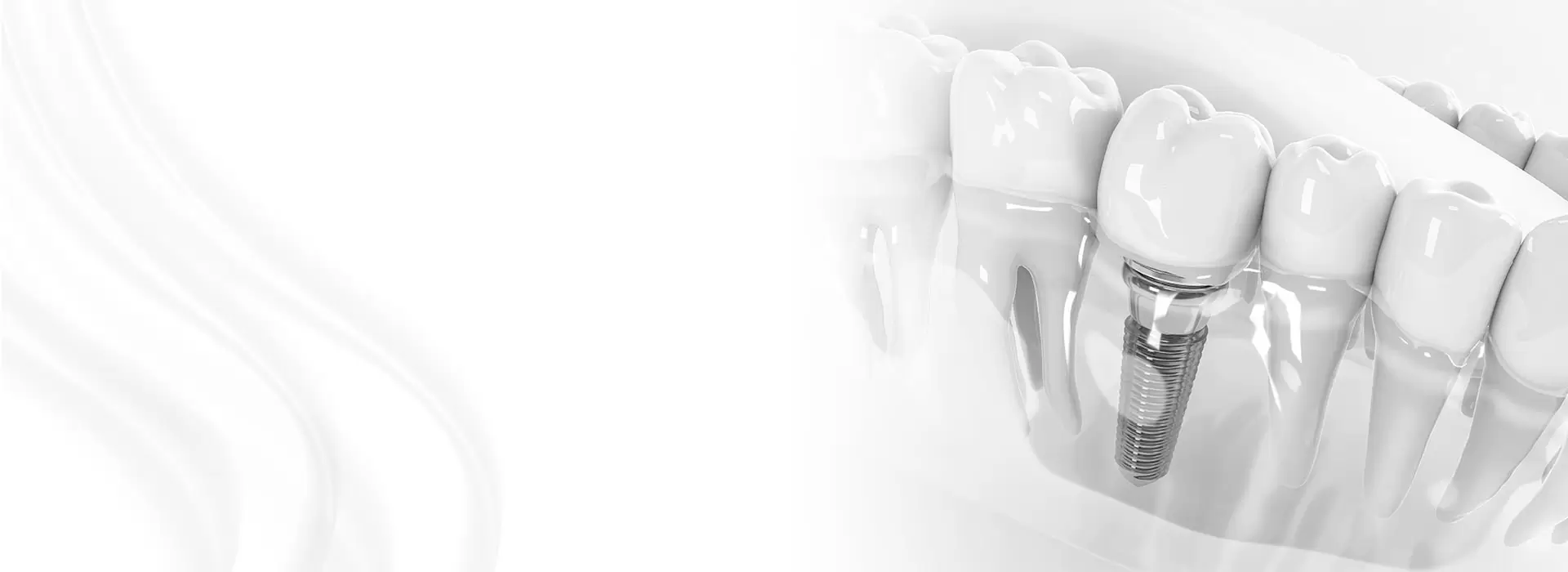
A dental bone graft is an oral surgical procedure used to build new bone beneath the gums, prepare an extraction socket, or support a future dental implant. Healing depends on the graft material, the condition of the surrounding bone, your general health and your ability to follow the aftercare instructions. Rest and medication planning should begin before the procedure rather than after the first signs of discomfort.
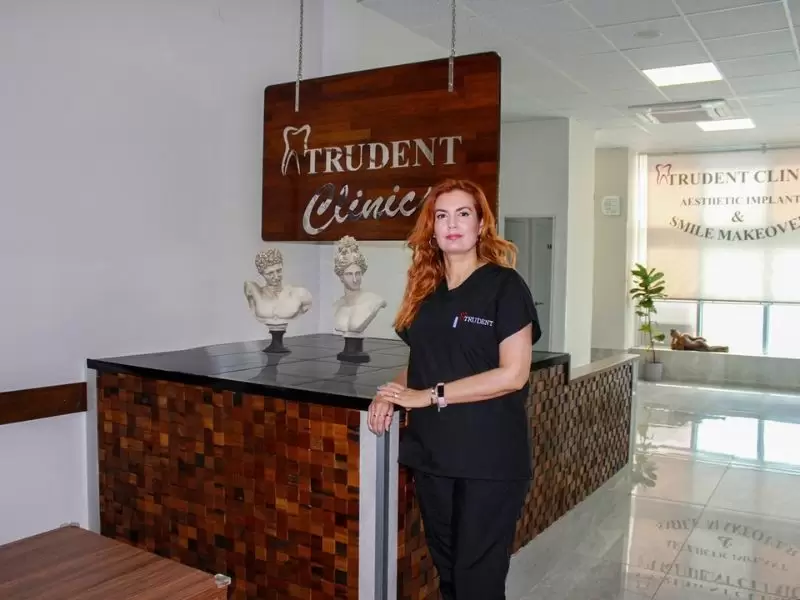
TruDent Clinics in Izmir can assess the site and create a personalised treatment pathway that accounts for your medical history, current medicines and long-term restorative goals. Knowing which medicines to continue, when to slow down and how to organise the days after surgery helps prevent avoidable complications.
Confirm your medical and medication profile
Start by arranging a pre-operative assessment that includes a complete list of medicines, supplements, allergies and medical conditions. Anticoagulants, antiplatelet medicines, insulin, diabetes tablets, blood-pressure treatment, thyroid medication and sedatives may affect bleeding, healing or sedation. Pregnancy, kidney disease, heart conditions, immune problems and a history of difficulty with anaesthetics should also be discussed openly.
Never stop a prescribed medicine unless the prescriber and treating dentist agree. A blood thinner may need to continue, be adjusted within a carefully planned timeline or be managed differently depending on the procedure and the reason it was prescribed. Vitamin and herbal supplements should also be disclosed, even when they appear harmless. If you take insulin or glucose-lowering medication, ask for specific instructions about fasting, morning doses and blood-glucose monitoring.
Patients comparing clinics or considering a second opinion can use independent dental clinic information to identify useful questions about imaging, records and medication clearance. The surgeon responsible for your treatment should still make the final decisions about surgery, anaesthetic choice and medicine changes.
Give your body adequate pre-operative rest
Rest before dental bone graft surgery should support normal immune function, blood pressure and recovery. Aim for a full night’s sleep, eat a balanced meal unless fasting instructions say otherwise, and avoid alcohol in the 24 to 48 hours before treatment. Strenuous exercise is usually unnecessary immediately beforehand, but being reasonably active can support your general wellbeing.
Plan the first day after surgery as a low-demand day. Local anaesthetic may wear off over several hours, and sedation can cause fatigue, dizziness or slowed reactions. Avoid driving, important meetings, exercise and child-care responsibilities on the procedure day. If sedatives are used, a responsible adult should accompany you home and stay with you for the recommended period.
In Sydney, Melbourne, Brisbane and Perth, patients often choose a private practice with same-day oral surgery or day-surgery facilities. Regional patients may need accommodation and transport, so a companion can be particularly valuable. Australian workplaces handle sick leave differently, but arranging time off before surgery is more practical than trying to arrange it when swelling, pain or sedation makes travel difficult.
Prepare food, fluids and recovery time
Before treatment, place easy-to-eat foods in the house. Suitable choices include yoghurt, scrambled eggs, porridge, mashed vegetables, smoothies prepared without a straw and soft pasta. Avoid relying on takeaway food during the first recovery period. Prepare small meals rather than large meals, and keep medication packaging, gauze and a cold compress nearby.
Hydration helps recovery, but fasting instructions take priority when sedation or general anaesthesia is planned. Written instructions from the clinic should be followed exactly because fasting periods vary by anaesthetic protocol and health conditions. Some clinics request no solid food for six to eight hours and only limited clear fluids beforehand. Patients using diabetes medication should obtain advice about their morning dose and glucose monitoring rather than improvising around the fasting period.
After the graft is placed, follow the dentist’s dietary guidance. Cool, soft foods and gentle bites near the untreated side can reduce irritation. Limit hot, spicy, crunchy or very chewy foods while the site is tender, and avoid straws or smoking because suction and heat can disrupt the graft. Eat enough to support your medicines and recovery even if your appetite is temporarily reduced.
Plan pain relief and antibiotics carefully
Discuss what pain relief will be used before you leave the clinic. Paracetamol and ibuprofen are commonly available over the counter in Australia, including under familiar brands such as Panadol and Nurofen, as well as in generic forms. They may be suitable for short-term post-operative pain, but the packet directions and your dentist’s instructions should determine the dose. A pharmacist can check for interactions or health conditions that make one option unsuitable.
Aspirin should not be used for routine post-operative pain unless a clinician has specifically prescribed or instructed it, because it can increase bleeding. Do not combine products that contain the same active ingredient, and check cold, flu and headache medicines for hidden paracetamol or ibuprofen. Stronger opioid pain relief is not normally required for uncomplicated graft surgery and should only be used according to the prescribed schedule.
Antibiotics are not automatically needed for every bone graft. Take them only when prescribed, using the correct dose and timing. Do not use leftover antibiotics or buy them without a current prescription. Tell the dentist about previous allergic reactions, diarrhoea caused by antibiotics, kidney problems and any medicines taken during the same period. If a reaction occurs, stop the medicine and obtain prompt clinical advice according to the instructions provided.
Protect the graft and recognise complications
Smoking, vaping and alcohol can reduce blood flow to the surgical area and interfere with graft integration. If you smoke, the ideal preparation is to stop beforehand and continue while the site heals. Avoid alcohol while taking medicines and for the period specified by the dentist. Do not brush or rub the grafted area vigorously, and follow any instructions about avoiding rinsing, spitting or using an alcohol-based mouthwash during the first day.
Some blood spotting, tenderness and swelling are expected. Persistent bleeding that does not settle with the pressure instructions, rapidly increasing pain, foul-tasting discharge, fever or worsening swelling needs assessment. Difficulty breathing or swallowing is an emergency. Keep the clinic’s after-hours contact details accessible, especially if you are staying alone or travelling away from home.
Bone formation does not occur on a fixed timetable. Soft-tissue healing commonly begins within days, while graft integration and bone regeneration may take weeks or months. The final implant placement date depends on imaging and clinical findings. Attend scheduled reviews so the treating dentist can check the site, remove sutures when appropriate and adjust the treatment plan if healing differs from expectations.
Coordinate appointments, orthodontics and future implant care
Your pre-operative schedule should include the consultation, required imaging, blood tests when needed, the graft procedure and follow-up appointments. Ask how long you should expect to take off work, which activities are restricted and whether a review will be required before restorative treatment begins. Keep digital images and written instructions because they can help another dentist coordinate implant placement or periodontal treatment.
If Invisalign or another orthodontic system is part of your wider treatment, appliance problems should not be left unresolved before surgery. A tracker that no longer fits may indicate that the teeth have moved or that the aligner sequence has changed. Patients can review tracker fitting advice promptly and ask both the orthodontic and surgical teams how the issue affects graft timing.
Australians travelling to Izmir for dental treatment should carry regularly prescribed medicines in their original packaging and keep a copy of prescriptions and the clinician’s letter. Travel insurance may require evidence of treatment and costs, while private health rebates for a bone graft usually depend on the policy, item codes and waiting periods. Medicare generally does not cover routine adult dental surgery, so confirm any out-of-pocket costs before travelling.
Book your bone graft consultation
Contact TruDent Clinics in Izmir to discuss whether bone grafting is required for a dental implant, socket preservation or periodontal treatment. Bring your medication list, medical records, allergy information and any recent dental scans so the clinician can assess the site and identify issues that need attention before surgery.
Ask for a written recovery schedule covering fasting, medicines, driving, exercise, meals, wound care and after-hours contacts. Leave the consultation knowing exactly which medicines to continue, which activities to pause and when to seek assistance. Book the pre-operative assessment with TruDent Clinics and give your graft the best possible foundation for predictable healing.