How to Prepare for a Dental Emergency While Traveling in Turkey
A dental emergency can disrupt a holiday, business trip, or planned dental treatment in Turkey without much warning. Severe toothache, a broken crown, facial swelling, or a lost filling may make it difficult to eat, sleep, or continue your itinerary. Having a simple plan can help you act quickly and avoid unnecessary stress.
Turkey has dental clinics in major cities and tourist destinations, including Izmir, where international patients can access urgent dental care in modern clinics. Knowing what to pack, which symptoms require immediate attention, and how to communicate with a dentist can make treatment more efficient.
Preparation is especially important if you are traveling for cosmetic dentistry, dental implants, veneers, crowns, or orthodontic treatment. A small amount of planning before departure can protect your oral health and help you find suitable support if a problem develops.
Recognizing a dental emergency
Some dental problems can wait for a routine appointment, while others need same-day evaluation. Intense or persistent tooth pain, bleeding that does not stop, a knocked-out tooth, significant swelling, or difficulty breathing or swallowing should be treated as urgent concerns. Facial trauma and a suspected jaw fracture also require prompt medical assessment.
A broken tooth or damaged dental restoration may not always be immediately dangerous, but it can expose sensitive tissue and worsen with chewing. A lost crown, veneer, or temporary filling should be assessed as soon as practical, especially if you are already receiving dental treatment in Turkey.
Tooth sensitivity after a whitening session or mild discomfort following routine treatment may be temporary. However, symptoms that increase, last longer than expected, or occur with fever and swelling should not be ignored. When uncertain, contact an emergency dentist and describe the symptoms rather than relying only on pain intensity.
Build a travel-ready dental kit
A compact dental kit can provide short-term comfort until professional care is available. Pack a soft toothbrush, fluoride toothpaste, dental floss, orthodontic wax if you use braces, and sterile gauze. A small container can protect a loose crown, bridge, or tooth fragment while you travel to a clinic.
Over-the-counter pain relief may be useful if it is safe for you and used according to the package instructions. Travelers should check for allergies, pregnancy-related restrictions, stomach conditions, kidney problems, blood-thinning medication, and other health factors before taking any medicine. Do not place aspirin directly on the gum, as it can irritate or burn the tissue.
Avoid packing antibiotics for self-treatment or using leftover medication. Dental infections often require drainage, cleaning, root canal treatment, extraction, or another procedure, and antibiotics are not appropriate for every case. A dentist should determine the right treatment after an examination.
Prepare your documents and local contacts
Before leaving home, save your travel insurance details, passport information, medical history, and current medication list in an accessible place. Include the names of previous dental procedures, allergies, and any information about implants, crowns, veneers, or orthodontic appliances. Digital copies can be useful if your luggage is lost.
Save the contact information for your hotel, travel provider, and a reputable dental clinic in your destination city. If you are visiting Izmir, having the details of a clinic that offers emergency dental care can reduce delays when a problem occurs. Clinics experienced with international patients may provide support in English and explain treatment options clearly.
Turkey uses 112 for general emergency services. This number is appropriate for serious medical situations such as major facial trauma, uncontrolled bleeding, breathing difficulty, or loss of consciousness. For most toothaches and damaged restorations, contacting a dental clinic directly is usually the more practical first step.
What to do when a problem occurs
If a tooth is knocked out, hold it by the crown rather than the root. If it is visibly dirty, rinse it briefly with clean water without scrubbing. If possible, place it back in the socket carefully; otherwise, keep it in milk or a suitable tooth-preservation solution and seek urgent dental care. Time matters, so avoid continuing your journey before arranging help.
For a broken filling or crown, remove loose pieces from your mouth to prevent swallowing them. Keep the restoration in a clean container and avoid hard, sticky, or very hot foods. Temporary dental cement from a pharmacy may provide short-term protection in some cases, but it should not replace an examination.
If your gums or face are swollen, use a cool compress on the outside of the cheek for short intervals. Do not apply heat to swelling, pierce an abscess, or place household substances on the affected area. Fever, spreading swelling, or difficulty opening the mouth can indicate an infection that needs urgent attention.
| Dental problem |
Immediate steps |
Level of urgency |
| Severe toothache |
Rinse gently, avoid extreme temperatures, arrange an examination |
Same day if persistent or severe |
| Broken crown or veneer |
Save the piece, avoid chewing on that side, contact a dentist |
Prompt appointment |
| Knocked-out permanent tooth |
Handle by the crown, preserve correctly, seek care immediately |
Emergency |
| Facial swelling or dental abscess |
Use a cool compress and avoid squeezing the area |
Urgent, especially with fever |
| Bleeding after dental treatment |
Apply clean gauze with firm pressure |
Urgent if bleeding continues |
| Jaw injury or breathing difficulty |
Seek emergency medical assistance |
Immediate emergency |
Find suitable emergency care in Izmir
Izmir is a large coastal city with private dental clinics serving local and international patients. When selecting urgent dental treatment, look for a clinic that provides the specific service you may need, such as emergency examinations, root canal therapy, dental crowns, extractions, implant support, or treatment for damaged cosmetic restorations.
Ask whether the clinic can accommodate a same-day visit, communicate in your preferred language, and provide a written treatment plan. It is also reasonable to ask about examination fees, imaging costs, payment methods, and whether your travel insurance may reimburse part of the care. Clear information helps you make decisions without adding avoidable confusion.
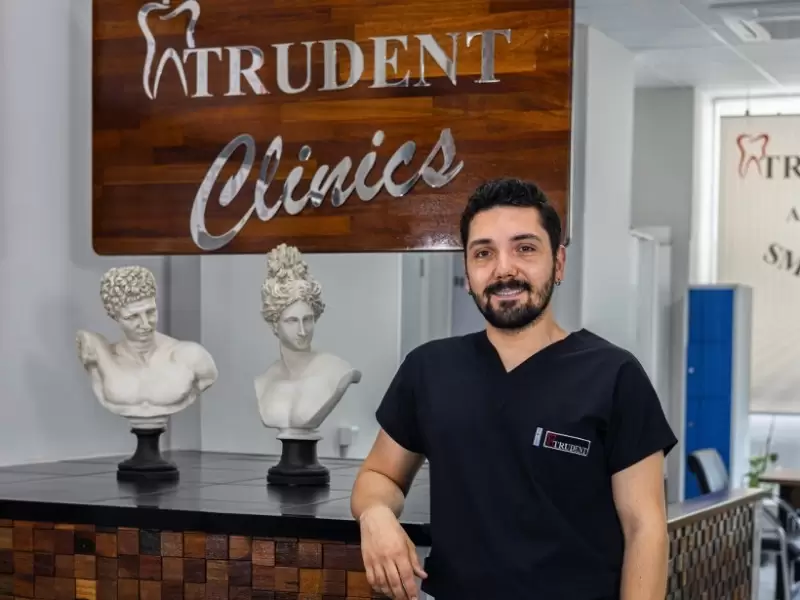
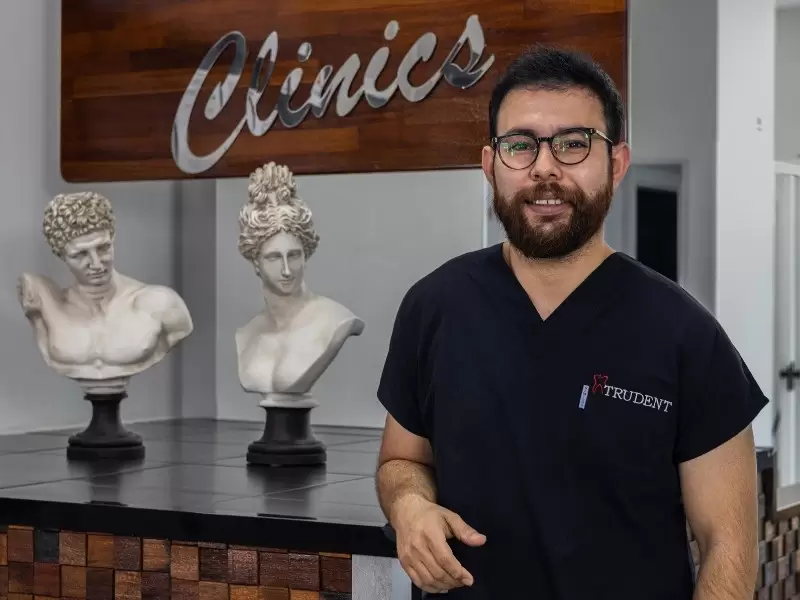
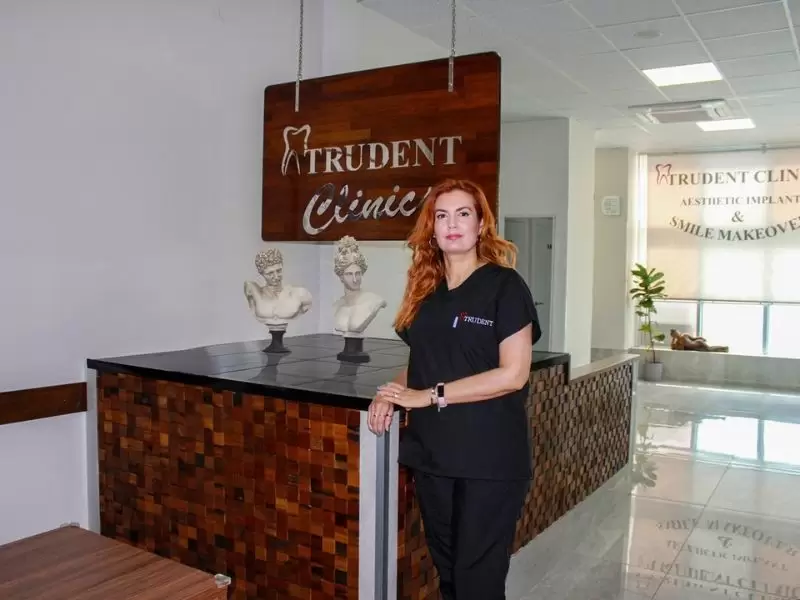
TruDent Clinics in Izmir offers general and emergency dental care alongside cosmetic and restorative treatments. A consultation can help identify the cause of the problem and determine whether you need immediate treatment, temporary stabilization, or a more comprehensive plan after returning home.
Protect your teeth during the rest of the trip
After receiving emergency treatment, follow the dentist’s instructions carefully. You may need to eat soft foods, avoid chewing on a treated side, use a prescribed mouth rinse, or return for a follow-up appointment. Do not skip a review simply because the pain has improved, since pain relief does not always mean the underlying issue has been resolved.
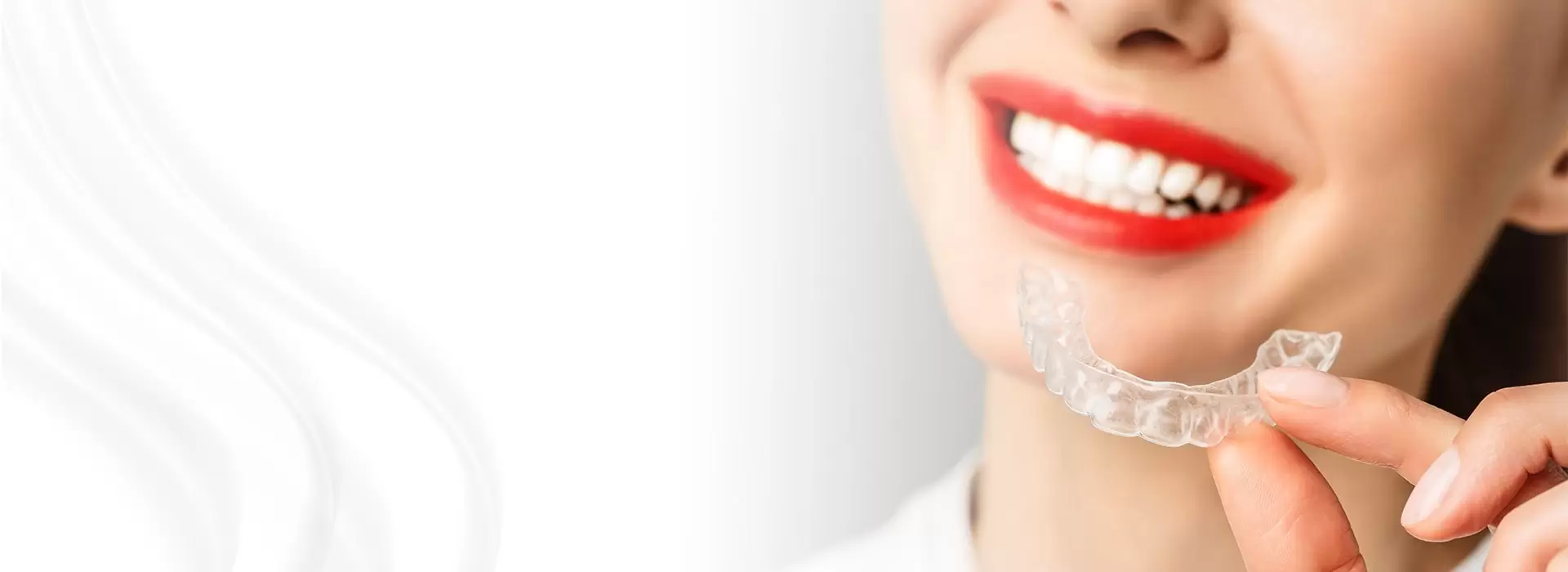
Travelers undergoing dental implants, crowns, veneers, or aligner treatment should keep all appointment details and treatment records. Avoid opening packages with your teeth, chewing ice, and eating hard foods that could damage temporary restorations. If you wear aligners, store them in their case rather than wrapping them in a napkin where they can be discarded accidentally.
Good daily hygiene remains important while traveling. Brush twice a day with fluoride toothpaste, clean between the teeth, stay hydrated, and limit frequent sugary snacks. These habits reduce the likelihood of new decay and help protect areas that have recently been treated.
Practical steps before leaving home
A few preparations can make urgent dental care easier to arrange and may prevent a minor problem from becoming severe. Complete these tasks before your flight:
- Schedule a dental check-up if you already have pain, sensitivity, a loose restoration, or gum swelling.
- Save the address, phone number, and emergency contact details of a dental clinic near your destination.
- Pack essential oral-care supplies, prescribed medication, and a protective case for removable appliances.
- Review your travel insurance policy for emergency dental coverage, exclusions, and reimbursement procedures.
- Keep dental records, medication details, and allergy information available in both printed and digital form.
Travelers who are planning elective dentistry can also ask the clinic what symptoms are normal after treatment and which warning signs require immediate contact. This is particularly useful after implant surgery, tooth extraction, veneer placement, or other procedures that may involve temporary soreness.
With the right preparation, a dental problem does not have to derail your time in Turkey. If you develop sudden pain, swelling, trauma, or damage to a restoration in Izmir, contact TruDent Clinics to arrange an assessment and receive a personalized treatment plan. Early professional care can protect your oral health and help you return to your travel plans with greater confidence.