Preparing for your dental implant consultation in Turkey
A dental implant consultation is the point where a missing-tooth problem becomes a clear treatment plan. The dentist will assess your oral health, examine the bone and gums, review your medical history, and explain whether an implant, bridge, denture, or another option is appropriate. Arriving prepared helps you understand the recommendations rather than making decisions under pressure.
For Australian patients, an overseas consultation may also involve practical questions about travel, treatment stages, follow-up appointments, payment, and emergency care after returning home. A clinic in Izmir may organise the process differently from a dental practice in Sydney, Melbourne, Brisbane, Perth, or Adelaide, so it is useful to clarify each step before booking flights.
Bring a list of medications, recent dental records, medical conditions, allergies, and previous X-rays if available. Include information about diabetes, osteoporosis, blood-thinning medication, smoking, gum disease, teeth grinding, and past problems with anaesthesia. These details can affect healing, implant placement, and the timing of any procedure.
Your consultation should leave you with understandable answers, a written quotation, and a realistic schedule. The aim is not simply to ask how much a dental implant costs, but to learn what treatment you need, who will provide it, what is included, and how your care will be managed from the first scan through to the final crown.
Bring the information your dentist needs
Start by preparing a concise health and dental history. Note when the tooth was lost or removed, whether you have experienced pain or infection, and whether the area has previously received a bridge, denture, bone graft, or other treatment. If you have a regular dentist in Australia, ask for copies of X-rays, clinical notes, periodontal records, and relevant referral letters.
Create an up-to-date medication list with the name, dose, and reason for each medicine. Blood thinners, some osteoporosis medicines, immune-suppressing drugs, and certain treatments for chronic conditions may require special planning. Do not stop prescribed medication before an appointment unless your doctor or dentist specifically instructs you to do so.
Lifestyle information matters as well. Smoking and vaping can affect blood flow and implant healing, while uncontrolled diabetes may increase the risk of complications. Tell the dentist if you clench or grind your teeth, play contact sports, or have a history of jaw problems. A complete picture allows the clinician to assess risk rather than relying on a brief visual examination.
Ask how your suitability will be assessed
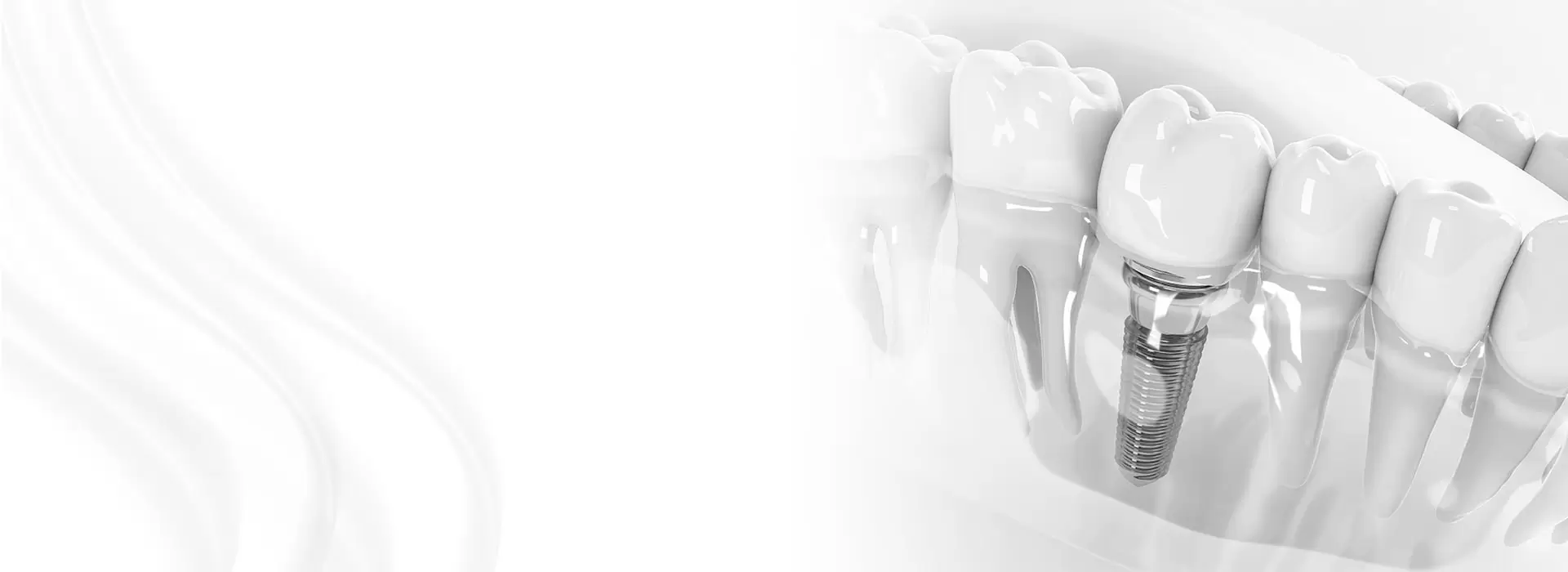
Find out whether the consultation includes a comprehensive examination and three-dimensional imaging, such as a cone beam CT scan. Ask what the scan will show about bone volume, nerve position, sinus location, neighbouring roots, and signs of infection. A standard dental X-ray may be useful, but it does not always provide enough information for implant planning.
Ask directly, “Am I a suitable candidate for an implant now, or do I need preparatory treatment?” Gum disease, untreated decay, insufficient bone, or an active infection may need attention first. Some patients require a bone graft or sinus lift, which can add healing time and may mean that implant placement cannot happen during one short trip.
Discuss alternatives without treating the implant as the automatic choice. A fixed bridge, removable partial denture, or monitoring the space may be appropriate in certain circumstances. Ask what could happen if you delay treatment, how each option affects adjacent teeth, and which solution best suits your bite, health, appearance, budget, and long-term expectations.
Australian patients should also ask which dental professional will carry out every stage. Confirm the dentist’s qualifications and experience with implant surgery, bone grafting, and restorative work. You can request information about the clinic’s infection-control procedures, the implant system used, and how treatment records are stored and shared with your Australian dentist.
Clarify the treatment stages and timeline
Ask whether the proposed procedure is immediate implant placement, delayed placement, or a staged approach. In some cases, a temporary tooth can be fitted soon after surgery; in others, the implant needs several months to integrate with the jawbone before the final crown is attached. The appropriate schedule depends on healing, bone quality, gum health, and the location of the tooth.
Ask how many appointments are expected and how long you should remain in Izmir after surgery. Also clarify whether the final restoration will be made during the same visit or at a later appointment. A treatment plan that appears to take a few days may require a second trip if a graft, infection treatment, or extended healing period is needed.
For people travelling from Australia, build in flexibility rather than arranging a tight itinerary around the advertised minimum stay. Flights from cities such as Melbourne, Sydney, and Brisbane commonly involve a connection before reaching Turkey, and delays can affect an appointment schedule. Avoid planning strenuous sightseeing immediately after surgery, and ask when flying, exercise, alcohol, and normal brushing can safely resume.
Request a written timeline showing consultation, imaging, extraction if required, implant placement, temporary teeth, review appointments, and final crown fitting. It should also explain what happens if healing is slower than expected. Clear timing is especially important when coordinating annual leave, travel insurance, accommodation, and return visits.
Understand the full price and what is included
Ask for an itemised quotation rather than a single package figure. The estimate should identify the consultation, scans, extraction, implant fixture, abutment, temporary restoration, final crown, bone graft or sinus lift, medications, follow-up reviews, and any required laboratory work. Confirm the currency, payment schedule, refund policy, and what happens if the treatment plan changes after imaging.
A low advertised price may exclude procedures that are clinically necessary. Ask whether the quotation assumes healthy gums and adequate bone, and whether additional charges apply for treating infection, replacing a temporary crown, or using sedation. Confirm the implant manufacturer and model, and ask whether you will receive a product card or written record for future maintenance.
In Australia, Medicare generally does not cover routine dental implants, while private extras cover may contribute to some dental prosthetic services depending on the policy. Annual limits, waiting periods, item numbers, and exclusions vary between insurers. Contact your fund before travelling and ask for written confirmation rather than assuming that an overseas procedure will receive the same benefit as treatment in Australia.
Also check travel insurance carefully. Many policies exclude elective dental treatment, pre-existing dental conditions, or complications arising from planned medical travel. Ask whether emergency treatment after returning home is covered and keep copies of invoices, clinical notes, implant details, scans, and consent documents.
Plan follow-up care before you travel
Ask who will manage you if you develop swelling, persistent pain, bleeding, fever, a loose temporary tooth, or difficulty biting after returning to Australia. A reputable treatment plan should explain how to contact the clinic outside normal hours and how urgent concerns will be assessed. You should also know whether the clinic will communicate directly with your local dentist.
Before leaving, request a complete treatment file in English. It should include implant brand and size, placement location, surgical notes, X-rays or CT images, medication instructions, crown details, and the recommended maintenance schedule. This information can help an Australian dentist provide safe care if you need an adjustment or an urgent review in Perth, Canberra, Hobart, or elsewhere.
Ask when the first maintenance appointment is due and whether the final crown requires a review after fitting. Implant treatment does not eliminate the need for professional cleaning or regular examinations. Peri-implant disease can damage the tissues supporting an implant, so brushing, interdental cleaning, dental check-ups, and management of gum disease remain important.
Discuss what happens if an implant fails or the crown fractures. Ask whether the clinic offers a written warranty, what the warranty covers, the period of cover, and whether you must return to Turkey for remedial treatment. A warranty is not a substitute for clinical quality, but its terms can reveal whether post-treatment responsibilities have been properly considered.
Write down your questions before the appointment and take notes during the consultation. You may also ask for an interpreter or bring a trusted companion if language, anxiety, or complex medical information could make the discussion difficult. Do not feel obliged to approve treatment immediately; take time to review the plan and seek an independent opinion when appropriate.
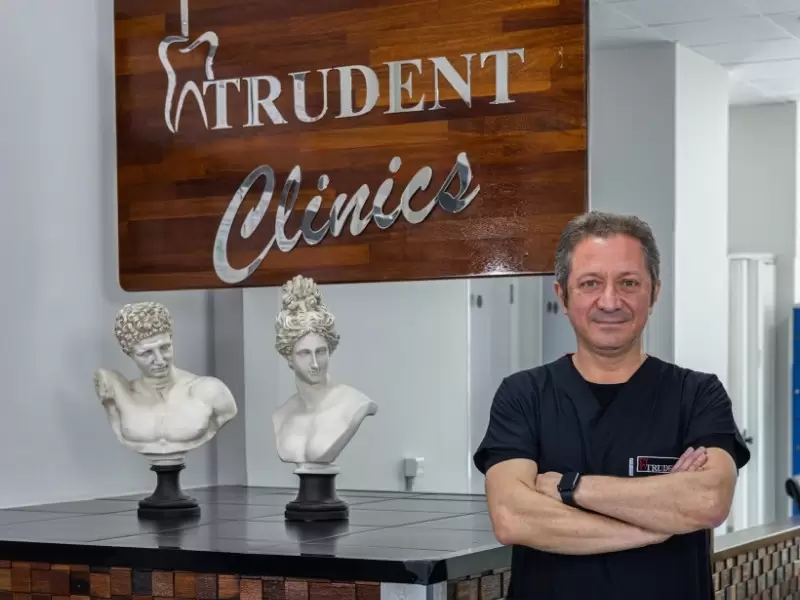
TruDent Clinics in Izmir can assess your dental condition, explain implant and restorative options, and create a personalised plan based on your oral health and goals. Contact the clinic to arrange a consultation, provide your medical and dental history in advance, and receive clear information about the proposed treatment, schedule, costs, and follow-up care.