How to Prepare for a Full Mouth Reconstruction With Multiple Issues
Many Australians juggle overlapping dental problems: gum recession, failing crowns, shifting bite alignment, discolouration and chronic jaw discomfort. Each issue alone feels manageable, but together they create a chain reaction that affects nutrition, sleep and self-confidence.
A full mouth reconstruction is a coordinated treatment plan that addresses every functional and aesthetic concern in one rehabilitation journey. Unlike a single veneer or whitening session, this approach brings together restorative dentistry, periodontics, endodontics and sometimes orthodontics, all mapped to a staged timeline.
In Australia, the pathway is shaped by a unique mix of public and private healthcare. Medicare generally does not cover adult dental work, and the Therapeutic Goods Administration regulates every material used. Treatments must meet local safety standards before they ever reach a chair in Sydney or Perth.
This guide walks through preparation for someone facing complex dental rehabilitation, covering assessment, sequencing, financial planning, the choice between local care and travel abroad, lifestyle shifts and long-term maintenance.
Understanding the Scope of Full Mouth Rehabilitation
Full mouth rehabilitation is a diagnostic process that ends with a custom plan, often involving crowns, bridges, veneers, implants, gum therapy, root canal work, bite adjustment and clear aligners. The goal is to rebuild a stable bite that distributes forces evenly across every tooth.
The term has many synonyms across clinics: complete dental rehabilitation, full arch restoration, comprehensive smile restoration, total mouth makeover. They share a philosophy of evaluating occlusion, periodontal health, jaw joint function and aesthetics together before any drilling begins.
Australian Dental Association guidelines emphasise thorough examination and documented informed consent before extensive work starts. A reputable clinic in Brisbane, Melbourne or Adelaide will provide a written plan listing every procedure, material, timeline and expected outcome, along with alternatives.
Mapping Every Issue With a Comprehensive Assessment
Before treatment is scheduled, expect a long first appointment including full periodontal charting, bite analysis, photographs, digital scans or impressions, and often a 3D cone-beam CT scan if implants are on the table. Each finding is documented, and from those records the clinician builds a sequenced plan.
Common issues uncovered in Australian patients include erosion linked to acidic beverage consumption (the coffee culture in Melbourne and Sydney is a frequent culprit), cracked teeth from clenching under work stress, old amalgam fillings that have failed, and bone loss after extractions. Sport injuries from rugby, AFL or weekend surfing add another category of trauma-driven cases seen locally.
Bring a list of current medications, prior dental records and details of any jaw symptoms. If you hold extras cover through a private fund, mention it early so the team can clarify what portion of diagnostics is claimable. The clearer the picture at the start, the fewer surprises mid-treatment.
Sequencing Treatments: Phases of Oral Rehabilitation
A full mouth reconstruction almost always happens in phases rather than in a single marathon visit. The first phase focuses on stabilising disease: removing active decay, treating infection, deep cleaning under the gums and addressing failing root canals. Only once the foundation is healthy can restorative work begin.
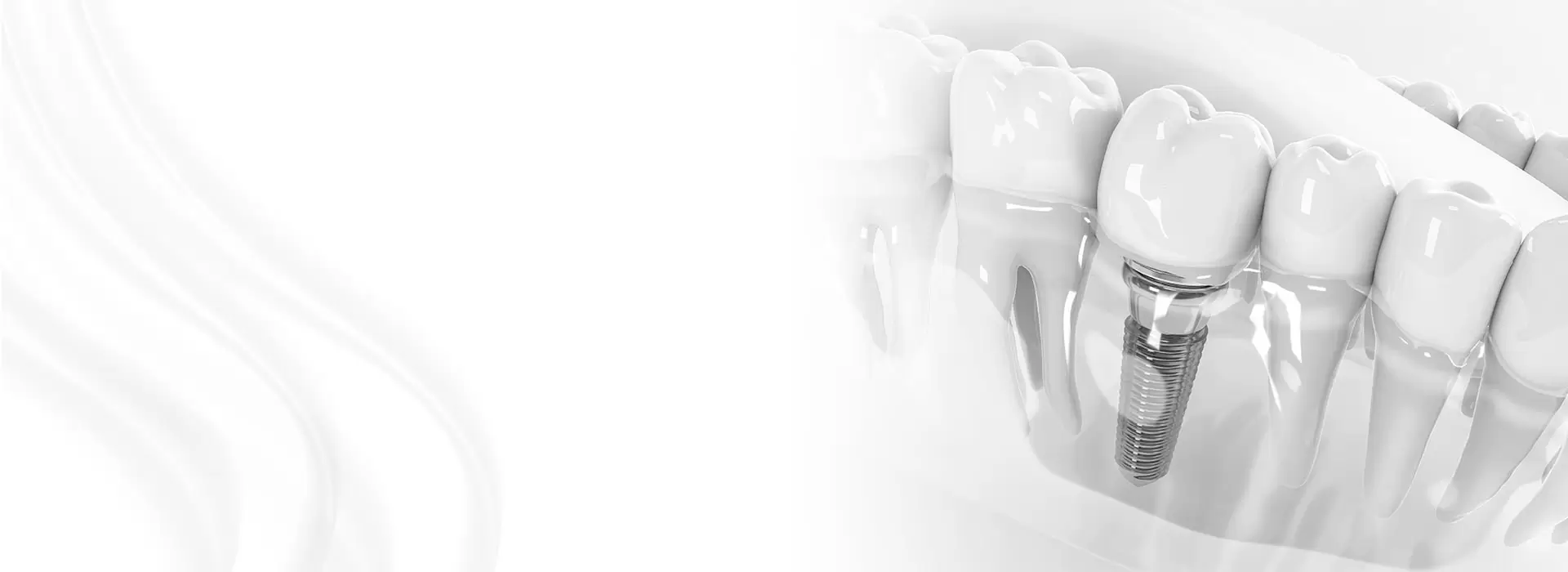
The second phase rebuilds structure. This might include placing implants where teeth are missing, building up worn teeth with core restorations and preparing others for crowns or veneers. Bite relationships are checked and adjusted using temporary restorations, allowing the patient to test the new occlusion in daily life before the final ceramics are fabricated.
The final phase refines aesthetics and function. Permanent crowns, veneers or implant crowns are cemented, contacts and occlusion are fine-tuned, and a night guard is often provided. Patients commonly use this last phase to address cosmetic concerns that were secondary to function, such as shade matching ahead of a milestone event months later.
Navigating Australian Insurance and Treatment Costs
Cost is one of the largest practical considerations in Australia, where a complete dental rehabilitation can range from AUD 20,000 to well over AUD 60,000 depending on complexity. Private health insurance with major dental extras cover may rebate a portion of restorative work after waiting periods (often 12 months for major services) are served, but cosmetic elements such as veneers are usually excluded.
The Child Dental Benefits Schedule helps families with younger patients but does not apply to adult full mouth work. Public dental services through state clinics in Queensland, Victoria and Western Australia offer emergency care and basic restorative treatment, though waiting lists for complex rehabilitation can stretch beyond two years in metropolitan centres.
Before committing, ask the clinic for an itemised fee estimate with ADA procedure codes. Check whether the practice offers payment plans and confirm which materials carry separate lab fees. Patients travelling from regional towns such as Cairns, Ballarat or Bunbury to a capital-city specialist should also budget for travel, accommodation and time off work.
Travel Considerations: Treatment at Home or Overseas
Dental tourism to Turkey, Thailand or Mexico is heavily marketed to Australians seeking affordable implants and veneers. TruDent Clinics in Izmir, for example, positions itself as a destination for full mouth rehabilitation with shorter overall timelines than staged local treatment. The trade-off involves careful vetting of sterilisation protocols, clinician credentials and what happens if something fails once you are back home in Adelaide or Hobart. AHPRA registration does not extend outside Australia, so recourse in case of complications is limited.
Staying within Australia offers clear advantages: easier communication, locally regulated materials approved by the Therapeutic Goods Administration, immediate follow-up and no flight-related risks during the healing phase after implant surgery. For complex cases involving multiple specialists, having a local team that can coordinate in person reduces the chance of fragmented care.
A middle path is becoming more common: diagnostic planning and follow-up with a trusted Australian dentist, while the main surgical or restorative phases happen abroad at a reputable, internationally accredited clinic. Whichever route is chosen, ensure all records, scans and material warranties are provided in writing, and that a local dentist is willing to take over maintenance once treatment is complete.
Lifestyle Adjustments Before and After Treatment
Habits that contributed to the original damage need addressing so the new restorations last. Smokers face higher implant failure rates, so quitting or cutting down before surgery improves outcomes. Reducing acidic drinks, moderating caffeine that fuels late-night grinding and switching to a soft-bristled brush with fluoride toothpaste all support healing.
Diet plays a role too. In the weeks following implant placement or major crown work, soft foods such as yoghurt, scrambled eggs, steamed vegetables and fish are staples while the gums recover. For Australians who love their morning flat white or a cold soft drink on a hot Brisbane afternoon, using a straw and rinsing with water afterwards is a small adjustment that pays off long term.
Sleep, stress and posture also influence recovery. Clenching often worsens during high-stress periods, so relaxation techniques, a custom night guard and ergonomic adjustments at the workstation help. Gentle jaw stretches recommended by the treating dentist can ease post-treatment stiffness and speed up the return to normal function.
Building a Long-Term Maintenance Plan
Once the reconstruction is finished, the work of keeping it intact begins. Professional cleans every six months, annual bite checks and periodic x-rays to monitor bone levels around implants form the backbone of maintenance. Any sign of gum inflammation, a cracked temporary or a loose crown warrants an early visit rather than waiting for the scheduled appointment.
Patients who have undergone full mouth restoration often describe it as life-changing, particularly those who spent years hiding their smile or restricting their diet. Protecting that investment requires the same discipline that protected natural teeth, plus a closer partnership with the dental team. Many Australian clinics offer membership plans that bundle maintenance visits at a fixed annual fee, a practical way to budget ongoing care.
Daily habits matter most: twice-daily brushing, floss or interdental brushes every evening, and wearing a night guard if one has been prescribed. With consistent care, ceramic crowns, veneers and implants routinely last well over a decade, sometimes a lifetime, allowing patients across Sydney, Perth, Darwin and beyond to eat, speak and smile without the compromises that once came with every meal.
Practical Steps Before Your First Reconstruction Appointment
- Gather previous dental records, x-rays and treatment summaries from any past clinic
- Request a written, itemised treatment plan with ADA procedure codes, timelines and material specifications
- Confirm which portion of the plan is covered by your private health extras, including waiting periods
- Schedule a cleaning and any urgent stabilisation work at least two weeks before major procedures
- Plan transport, time off work and soft-food meals for the post-operative window
- Ask about warranty terms on implants, crowns and veneers, and what follow-up is included
- Identify a local Australian dentist willing to provide long-term maintenance once active treatment ends
A full mouth reconstruction is more than a series of dental appointments. It is a structured path back to comfort, function and a smile that feels like yours again. If multiple issues have been building for years, the first move is the simplest one: book a comprehensive assessment at TruDent Clinics and let the team map every concern into a clear, staged plan designed around your goals, your budget and your long-term oral health.