Preparing for veneers when you have old fillings
Many Australians considering cosmetic dentistry worry that previous dental work might disqualify them from treatment. Old fillings, whether amalgam or composite, do not automatically prevent you from getting veneers, but they do require careful evaluation and preparation. Understanding how existing restorations interact with new porcelain or composite shells helps patients in Sydney, Melbourne, and Brisbane achieve predictable, lasting results.
The journey from filled teeth to a flawless smile involves several clinical decisions, from material selection to the sequence of treatment. Patients who plan ahead, ask the right questions, and partner with an experienced clinic often find that their fillings become a minor detail rather than a roadblock. Below is a practical guide tailored to Australian patients weighing their options.
Why old fillings matter for veneer treatment
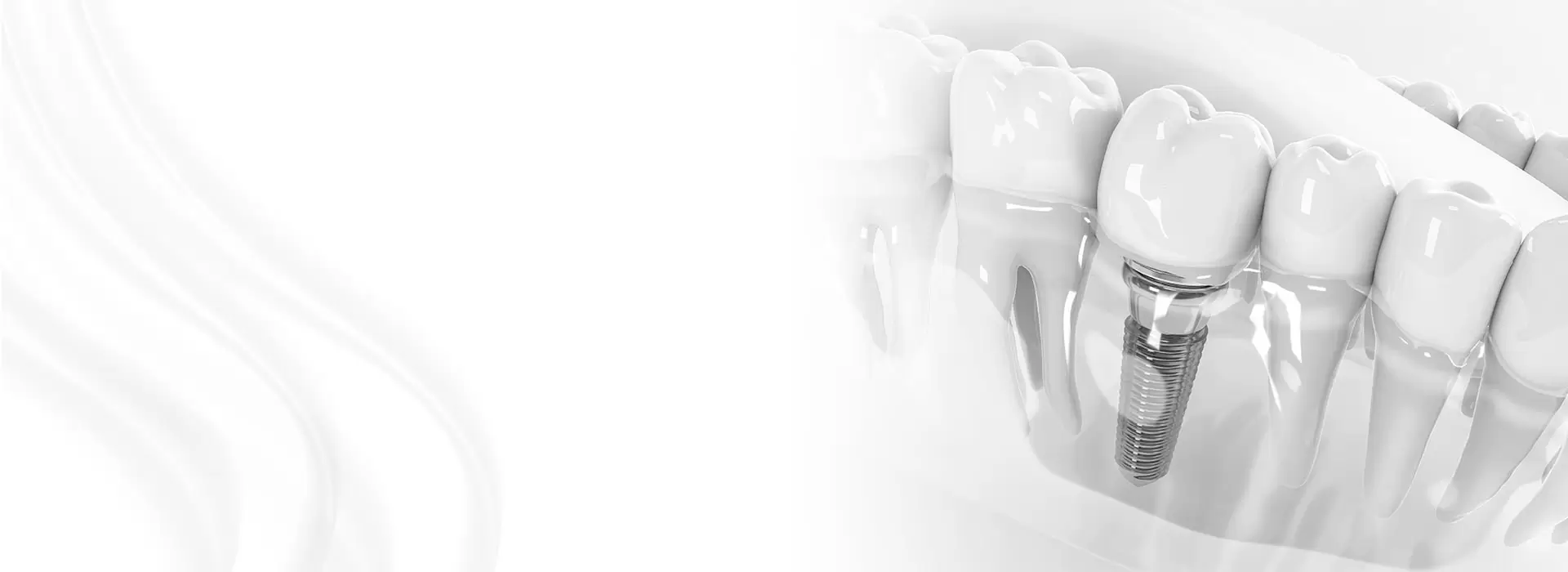
Dental fillings restore decay but they also change the natural structure of a tooth. When a veneer is bonded to enamel, the strongest bond forms between porcelain and healthy tooth tissue. Large or aged fillings, particularly those that cover more than half the tooth, reduce the available enamel and may compromise adhesion. Australian dentists frequently see patients with amalgam restorations placed decades ago, and these older fillings often contain mercury, which requires special handling if removal becomes necessary.
The location of a filling matters as much as its size. Fillings on the front surface of a tooth can sometimes be replaced with composite resin that blends seamlessly before the veneer is placed. Fillings on the biting edge or the back of the tooth may require a different approach, such as a crown, if the remaining structure is too weak. A thorough examination, including digital scans and bite analysis, helps the dental team map out which teeth need reinforcement before any cosmetic work begins.
The initial consultation and assessment
A comprehensive consultation is the foundation of successful veneer treatment, especially when old restorations are present. During this appointment, the clinician reviews your dental history, takes digital impressions, and assesses the condition of each filling. Many Australian clinics use intraoral cameras and 3D imaging to show patients exactly where decay, cracks, or marginal leakage exist around old fillings.
Patients should come prepared with questions about material compatibility, expected longevity, and the order of procedures. If you are exploring treatment overseas, clinics like TruDent Clinics in Izmir often provide virtual consultations, allowing Australians to discuss their case before committing to travel. This step is particularly valuable for patients in regional areas of Western Australia or Queensland who have limited access to cosmetic specialists locally.
Comparing filling materials and their impact
Common filling types vary in how they interact with veneer bonding, as outlined below.
| Filling Type |
Typical Lifespan |
Bond Strength with Veneers |
Replacement Often Needed |
| Amalgam |
15–30 years |
Poor (requires removal) |
Yes, if large or visible |
| Composite Resin |
5–10 years |
Moderate to Good |
Sometimes |
| Glass Ionomer |
5–7 years |
Moderate |
Often |
| Ceramic Inlay |
10–20 years |
Excellent |
Rarely |
| Gold |
20+ years |
Poor (requires removal) |
Yes, for aesthetics |
Composite and ceramic restorations generally integrate well with veneer bonding, while metal-based fillings almost always need replacement before cosmetic work. Your dentist will recommend the best path based on the size, age, and position of each filling.
When to replace old fillings before veneers
Replacement is recommended when a filling shows signs of wear, recurrent decay, or marginal discolouration. Australian patients with fillings placed before the 1990s often have amalgam that has expanded over time, creating micro-fractures in the surrounding tooth. These teeth are poor candidates for veneers until the filling is removed and the underlying structure is rebuilt with modern composite.
In some cases, a filling can simply be refreshed rather than fully replaced. Small chips or worn edges around a composite filling may be smoothed and rebonded during the veneer preparation stage. The key is ensuring that the tooth is free of active decay and that the remaining enamel is thick enough to support a thin porcelain shell. Skipping this step risks veneer failure, sensitivity, and decay beneath the restoration.
The step-by-step preparation process
Once your treatment plan is confirmed, preparation follows a predictable sequence. First, any failing fillings are removed and the cavities are cleaned. The dentist then builds up the tooth using a strong composite core, restoring its shape and strength. This core provides the stable foundation the veneer needs for long-term retention.
Next, a thin layer of enamel is removed from the front of the tooth to make room for the veneer. For teeth with large fillings, minimal preparation techniques help preserve natural structure. Impressions are then taken and sent to a dental laboratory, where each veneer is custom-crafted. Temporary veneers may be placed while you wait, protecting the prepared teeth and maintaining your appearance during the two to three week fabrication period.
Recovery, aftercare, and Australian lifestyle considerations
After the final veneers are bonded, most patients experience mild sensitivity for a few days, easily managed with desensitising toothpaste. Australians who enjoy cold drinks, iced coffees, or beachside barbecues should avoid extreme temperatures during this initial healing phase. Maintaining excellent oral hygiene is essential, particularly around the margins where the veneer meets the tooth, as decay can still develop underneath if plaque accumulates.
Regular check-ups with a local dentist remain important, especially for patients who travel abroad for treatment. Schedule a visit with an Australian dentist shortly after returning home to confirm the bite feels balanced and the gums are healthy. Many Sydney and Melbourne-based practitioners are familiar with reviewing work completed overseas and can provide ongoing maintenance without needing to redo the restorations.
Costs, insurance, and long-term value
Veneer costs in Australia typically range from $1,000 to $2,500 per tooth, and old fillings add to the expense if replacement is needed. Medicare does not cover cosmetic procedures, though private health insurance with extras cover may contribute toward certain preparatory treatments. Patients considering treatment in Turkey often find that comprehensive packages, including the replacement of old fillings and veneer placement, cost significantly less than the same work performed domestically.
When evaluating value, consider the experience of the clinical team, the materials used, and the warranty offered. Reputable clinics such as TruDent Clinics provide detailed treatment plans, digital previews, and follow-up protocols that give Australian patients confidence in their investment. Long-term success depends on choosing a provider who treats each case individually rather than offering a one-size-fits-all solution.
Book a virtual consultation today to discuss how your old fillings can be addressed as part of a personalised veneer plan and take the next step toward your ideal smile.