Coffee, tea and a smile that stays bright
A bright smile often reflects consistent daily habits rather than a single whitening appointment. Coffee and tea can gradually dull the natural colour of teeth, yet their effects are usually manageable. Understanding how these drinks affect enamel and which habits matter makes it easier to protect your smile without giving up your favourite brew.
Australian coffee culture makes this especially relevant. A long black with breakfast or a flat white from a neighbourhood café in Sydney, Melbourne or Brisbane is part of many people’s routines. Reusable stainless-steel travel cups carry the same drinking habits from one workday to the next, so small adjustments can make a noticeable difference.
Tea lovers face a similar challenge, whether they choose English breakfast, green tea or a milky chai. Dark pigments can settle on the tooth surface, while acidity may temporarily soften enamel after a sip. Preserving a bright smile after coffee or tea therefore involves both stain control and careful brushing habits.
Good oral hygiene removes plaque and helps prevent gum disease, but it cannot reverse every colour change. A dental professional can distinguish surface staining from hardened tartar, check for enamel damage and advise on whitening, cleaning or restorative options. Personalised care is particularly useful when you have sensitivity, fillings, veneers, aligners or other dental work.
| Drink |
Common staining pattern |
Useful habit |
| Black coffee |
Dark brown surface staining |
Rinse with water and wait before brushing |
| Black tea |
Brown film, often around the edges |
Drink with a meal where practical |
| Green tea |
Usually lighter staining, with some acidity |
Rinse without vigorously swishing |
| Milky coffee or chai |
Less visible staining, but added sugar |
Rinse between sips and clean regularly |
Why coffee and tea change tooth colour
Both drinks contain chromogens, naturally occurring colour compounds that can lodge in microscopic irregularities on the enamel. Coffee often produces a darker, more even dulling, while tea may build up a brown film. Other dietary habits, including red wine and certain foods, can intensify the appearance.
Coffee and tea are also acidic. An acidic drink can soften the enamel surface briefly, so scrubbing immediately afterwards may cause avoidable wear. Rinsing with plain water helps neutralise the mouth, while waiting about 30–60 minutes before brushing gives the enamel time to recover.
Surface staining differs from plaque and hardened calculus, which require professional removal. Whitening toothpaste may polish away some fresh stains, but it cannot remove tartar and should not be used aggressively. If discolouration returns quickly, a professional cleaning and a review of your routine may help more than repeated bleaching.
A daily routine for stronger, cleaner teeth
Use fluoride toothpaste twice daily and spend two minutes cleaning every surface with gentle circular movements. Spit rather than rinsing with a large amount of water, allowing the fluoride to remain in contact with the teeth. Clean between your teeth once daily, since trapped plaque can cause gum inflammation and make the gumline look darker.
For your morning and evening routine:
- Brush with a soft brush and steady, light pressure.
- Clean between teeth once daily to remove trapped plaque.
- Use a fluoride mouthrinse when your dentist recommends it.
- Arrange regular cleaning according to your tartar risk.
For a café-heavy day:
- Sip water after coffee or tea to rinse away loose pigment.
- Wait 30–60 minutes before brushing after an acidic drink.
- Avoid holding tea in your mouth or sipping continuously for hours.
- Choose water for the final part of a long café visit.
Where practical, enjoy coffee or tea with a meal rather than sipping continuously throughout the morning. If you add sugar, frequent sweet drinks also increase the plaque challenge. Keeping water nearby helps, and occasionally chewing xylitol gum can stimulate saliva after a drink, although it does not replace brushing.
Coffee and tea in the Australian routine
Australian cafés often serve espresso-based drinks quickly, encouraging regular refills. In cities such as Sydney, Melbourne and Brisbane, a takeaway cup may last several hours, giving pigments more time to settle. At home, a kettle and a favourite mug can create the same exposure, so duration matters as well as the type of drink.
Many Australians refill a stainless-steel travel cup, a familiar café custom that keeps coffee close at hand throughout the working day. This can gradually build staining around the teeth, particularly where the drink meets the gumline. Taking a few mouthfuls of water between servings is a simple habit that fits into an active routine.
Australia also benefits from widespread water fluoridation in many cities and towns, supporting everyday enamel protection. If the colour of your teeth has changed noticeably, compare a recent daylight photograph with an older one and note any sensitivity or roughness. These observations give your dentist useful information at the next check-up.
What teeth whitening can and cannot do
Professional whitening uses controlled peroxide exposure to lighten natural tooth structure. It may be performed in the clinic or provided as custom trays for home use following an assessment. The appropriate method depends on existing fillings, gum health, enamel condition and your desired result; more bleaching is not automatically better.
Bleaching will not whiten composite fillings, porcelain veneers or crowns. It can leave these restorations looking lighter than the surrounding teeth, and some natural brown shades respond less predictably. Whitening may therefore be unsuitable when the visible smile consists largely of crowns or veneers, which might require a separate restorative plan.
Temporary sensitivity is a common side effect. Persistent pain, gum irritation or uneven colour should be assessed, and unregulated whitening products and abrasive home remedies are best avoided. A hygienist can first remove surface deposits, allowing the dentist to judge how much natural tooth colour remains and whether whitening is worthwhile.
Veneers, aligners, crowns and implants
Porcelain veneers and porcelain crowns generally stain less readily than natural enamel, although their edges and surrounding gum still need attention. Aligners can make drinking coffee or tea awkward because the drink is usually taken without the trays; rinse your mouth and the aligners before putting them back in. Never leave a hot drink in an aligner case.
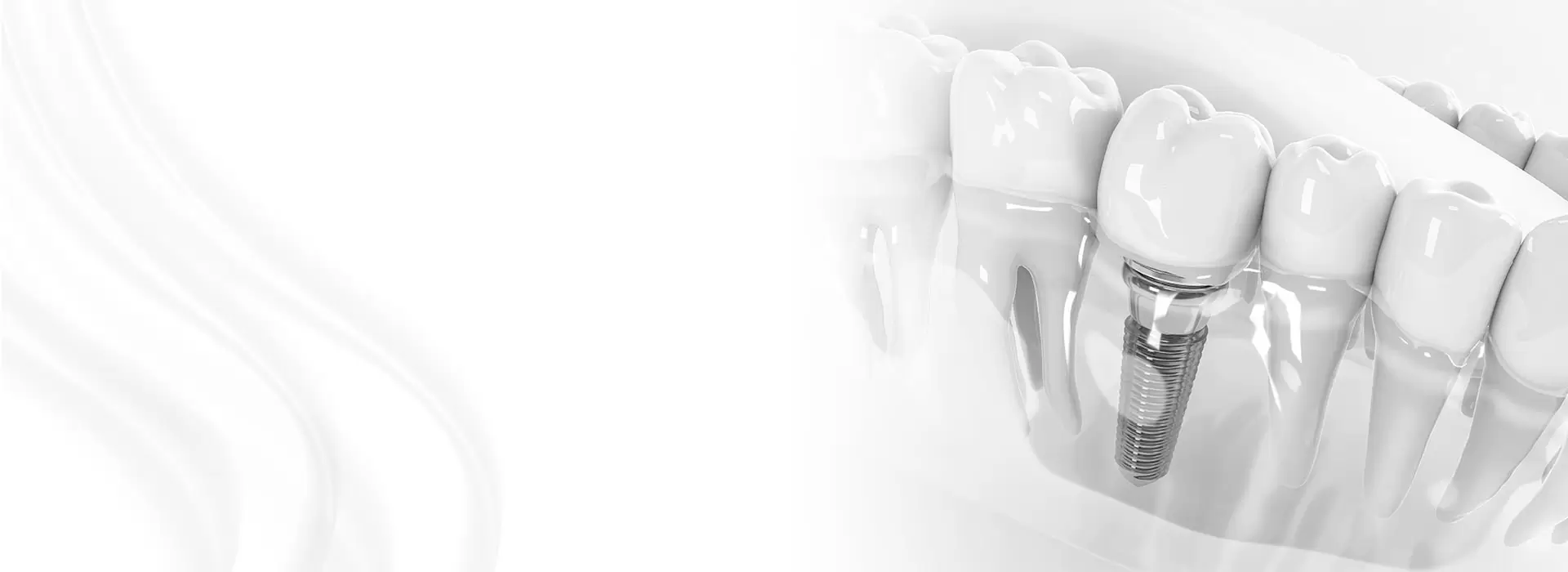
Implants replace a missing tooth root and do not stain, yet neighbouring natural teeth continue to change colour. Whitening around an implant can create a visible mismatch with its crown. For aligners, veneers and implants, a dental professional should explain which components can be lightened and which may need adjustment to maintain a balanced smile.
If a veneer chips, a crown loosens, an implant becomes painful or an aligner no longer fits, arrange prompt care rather than trying to hide the problem with whitening products. Cleaning remains essential around crowns, bridges and implants, along with regular checks for decay, gum disease, fit and wear.
Dental care for Australian travellers in Izmir
Travelling from Australia to Izmir gives you access to preventive and aesthetic dental services in a different market. A sensible plan begins with an examination and professional cleaning, followed by a written schedule that covers costs, treatment stages and aftercare. This helps you balance time away from home with your usual Australian dental appointments.
TruDent Clinics provides general, cosmetic and emergency dental care in Izmir, including whitening, veneers, crowns, aligners and implants. For a coordinated approach, ask the team to arrange a personalised dental consultation that considers existing dental work, drinking habits and your travel dates.
Ask how any urgent issue would be managed after you return home and which records you should take with you. If you plan to continue using whitening trays during the journey, follow the treating clinician’s instructions and use a protective travel container. Advice from your dental team should take priority over a beauty product purchased at home.
Keep your bright smile between appointments
A practical maintenance plan starts with a baseline photograph and a professional clean, then establishes an interval suited to your enamel and habits. Review how often coffee or tea collects around the gumline, whether your teeth feel sensitive and which products you use. These details make a routine appointment more useful than simply requesting a brighter shade.
Routine adult dental care in Australia is generally privately funded, while public dental services and eligibility rules vary by state and territory. For an Izmir trip, TruDent Clinics can assess whether whitening, hygiene work or restorative care is the most appropriate next step. A personalised plan also makes costs and expected maintenance clear before treatment begins.
Keep coffee or tea to a defined part of the day, rinse with water and leave time before brushing. Schedule your next check-up with your local dentist, or arrange a consultation with TruDent Clinics before travelling to Izmir, so you can enjoy your daily cup while protecting the brightness you have.