Recognising implant problems before they become serious
Dental implants can function well for many years, but a successful replacement tooth depends on healthy gum tissue, stable bone and careful long-term maintenance. Infection, inflammation or mechanical damage may develop gradually, often with few obvious symptoms. Knowing how to recognise the early signs of implant failure and peri-implantitis can help patients seek treatment before supporting bone is lost.
Persistent bleeding, swelling, an unpleasant taste or a crown that feels slightly different should never be dismissed. These changes may be easy to correct when identified early. Delaying assessment can turn a manageable inflammation around an implant into advanced bone loss, implant loosening or removal.
Understanding implant failure and peri-implantitis
Failed osseointegration usually refers to an implant that does not bond properly with the jawbone or loses its initial stability. It is more common during the healing period, although an implant can also fail years later. Warning signs during early healing include continuing pain, swelling or the feeling that the implant is shifting, particularly when the site has not settled as expected.
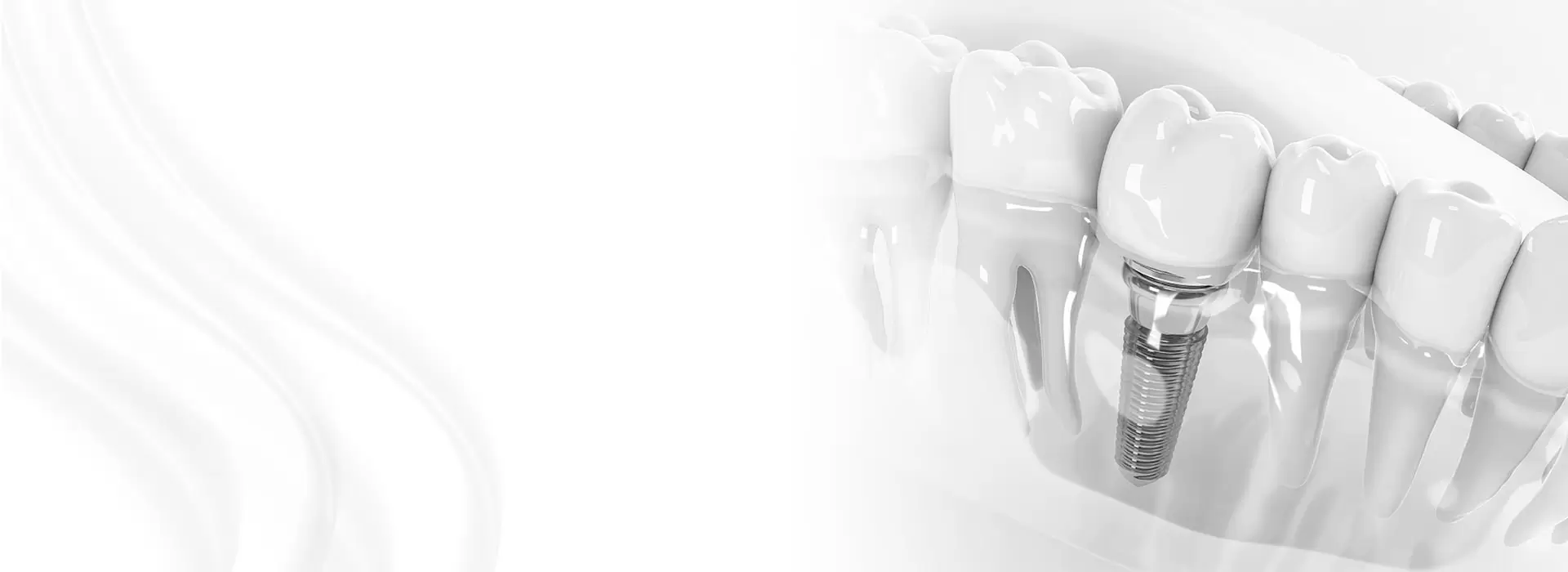
Peri-implant mucositis is inflammation confined to the gum tissue surrounding an implant. It is commonly associated with plaque and may cause redness, swelling or bleeding when brushed or professionally examined. Peri-implantitis is more serious because the inflammation extends to the bone supporting the implant. As the bone is gradually resorbed, the implant may become mobile or the gum may recede, exposing part of the fixture.
Not every problem is biological. A loose crown, worn connector, trapped food, a cracked screw or an unbalanced bite can produce pain or movement without infection. Conversely, an infected implant may remain surprisingly comfortable because the surrounding bone does not always create noticeable pressure. A proper examination is therefore needed to distinguish mechanical complications from peri-implant disease.
Changes in the gum around an implant
Bleeding is one of the earliest and most useful warning signs. If the gum consistently bleeds around an implant after brushing, flossing or probing, it may be inflamed rather than simply injured by technique. Patients should not press a sharp object into the pocket to test for bleeding, as this can damage the tissue and introduce contamination.
Other changes include redness, tenderness, swelling, a metallic or unpleasant taste, and discharge from the gum. A small pimple-like opening, often called a sinus tract, may appear where infection has drained through the tissue. Receding gums or exposed implant threads are also significant because they make plaque accumulation harder to control and may indicate that bone has already been lost.
Deepening periodontal pockets around an implant require professional measurement. A dentist or periodontist may also compare current X-rays with the images taken after placement. Radiographs can reveal changes in bone level, although they do not show every sign of active inflammation and should be interpreted alongside the clinical examination.
Symptoms involving the crown, bite and jaw
An implant that moves, clicks under pressure or no longer feels aligned with the natural teeth needs assessment. The crown or bridge attached to it may be loose even when the implant itself remains stable. Patients may notice that food sticks on one side, the bite feels different, or chewing becomes uncomfortable on the implant rather than the surrounding teeth.
Pain, pressure or tenderness can indicate infection, but pain alone does not confirm implant failure. Some people with advanced peri-implantitis report little pain and instead describe the implant as feeling “a bit off”. Swelling of the face, fever, chills, tiredness or swollen lymph nodes suggest that infection may have spread beyond the immediate implant site.
Difficulty breathing or swallowing, inability to open the mouth normally, or rapidly increasing swelling of the face or neck requires emergency care. In Australia, call 000 for an ambulance or attend an emergency department immediately. Hospital treatment can manage acute infection and pain, although it usually does not replace the long-term management required by an implant dentist or periodontist.
Risk factors and the importance of maintenance
Plaque and bacterial biofilm are the main initiating factors around every implant. Even a well-placed fixture can develop peri-implantitis if the gum margins are not cleaned properly or if professional maintenance is irregular. Food can collect beneath a crown, while excess cement left behind after placement may provoke inflammation. An incorrect bite can place excessive force on the implant and its supporting structures.
Smoking, poorly controlled diabetes, dry mouth, a history of gum disease and reduced ability to maintain oral hygiene increase the risk. Patients who have experienced implant trouble are also more likely to experience further problems if they continue smoking or miss review appointments. These factors do not make implant treatment unsuitable, but they make thorough assessment and closer follow-up particularly important.
Routine reviews allow a clinician to check bleeding, probing depths, gum recession, mobility, occlusion and bone levels. Early inflammation may be treated professionally with careful cleaning around the implant and correction of plaque traps or mechanical issues. Antibiotics alone do not remove the underlying cause and should only be used when clinically indicated. Advanced disease may require surgery or implant removal, making early intervention considerably more valuable.
Planning implant care across Australia and Izmir
Australian patients should be aware that Medicare generally does not cover routine implant placement or the treatment of peri-implant disease. Public dental services differ between states and usually prioritise specific groups, while private health fund extras may provide only limited reimbursement and can include waiting periods or exclusions. Checking the policy wording before treatment can prevent unexpected costs.
Patients travelling to Izmir for implant treatment face additional continuity-of-care considerations. Long-haul flights and an early return home can complicate postoperative reviews, and changes in symptoms cannot be assessed properly without clinical records. Implant dates, medical history, operative notes and current radiographs should be provided to the treating team and retained for follow-up with a dentist in Australia.
Anyone who feels that an implant is not right should get a second opinion rather than wait for the next scheduled overseas visit. In cities such as Sydney, Melbourne, Brisbane and Perth, implant dentists, periodontists and restorative dentists may be available. People in regional or rural areas may need to travel further for specialist care, so telehealth contact with the treating clinic can help organise the most appropriate local review.
A practical response for concerned implant patients
Early assessment is the safest response to any change around an implant. Patients should arrange an appointment with the treating dentist, a general dentist experienced in implants or a periodontist. If the implant was placed abroad, the original clinic should also be contacted so that its records and treatment history can inform the assessment.
Five actions can help protect the implant and the bone surrounding it:
- Do not ignore repeated bleeding, swelling, discharge, an unpleasant taste or a change in the bite.
- Record when symptoms started and note any discharge, fever, movement or difficulty chewing.
- Brush gently around the implant and clean between the teeth and gumline using suitable interdental aids.
- Bring baseline and recent X-rays, implant details and previous treatment records to the appointment.
- Seek immediate medical help for spreading swelling, difficulty swallowing, breathing problems or signs of severe systemic infection.
TruDent Clinics can review implants placed in Izmir and assess symptoms such as inflammation, bone loss, crown instability or discomfort. If you are already in Australia, contact the clinic through the website while arranging a prompt local dental assessment. Contact TruDent Clinics to arrange an implant review and plan the safest next step.