How to Recover Quickly After Dental Implants in Turkey
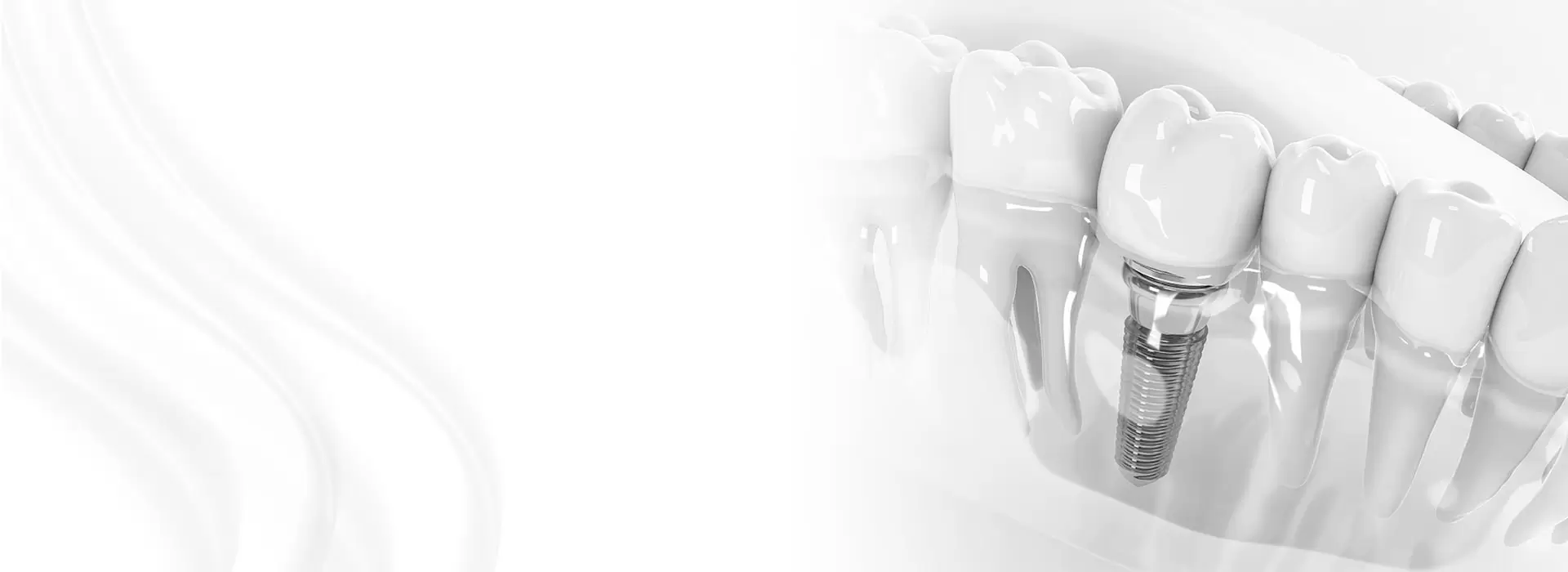
Dental implants can restore chewing function, facial support and confidence, but the recovery period deserves proper planning. Healing begins as soon as the implant is placed in the jawbone, and your daily habits during the first few weeks can influence comfort, swelling and the long-term success of treatment.
For Australians travelling to Izmir, recovery also involves practical decisions such as arranging suitable accommodation, managing flights and knowing when you can safely return home. A clear aftercare routine, regular communication with your dental team and realistic expectations can make the experience much smoother.
Prepare Before Your Implant Appointment
Good preparation starts before you board a flight. Share your complete medical history with the clinic, including allergies, regular medicines, diabetes, gum disease, smoking habits and any previous problems with anaesthesia. If you take blood thinners or medication for a chronic condition, never stop it without advice from your doctor and implant dentist.
Arrange several quiet days after surgery rather than planning beach trips, long excursions or a packed shopping itinerary. Staying close to the clinic in Izmir makes check-ups easier and means you will not need to manage a lengthy journey while your mouth is sore. Patients can review treatment details and aftercare expectations through the clinic’s dental implant service before travelling.
Ask what is included in the treatment package, particularly diagnostic scans, temporary teeth, medication, follow-up appointments and any later-stage visits. Australian private health insurance often has limited or no cover for major dental treatment performed overseas, while Medicare generally does not cover elective dental implants abroad. Confirm costs and documentation before departure.
Manage The First 72 Hours Carefully
Some swelling, tenderness, bruising and light bleeding are common after implant surgery. Swelling often reaches its peak around the second or third day before gradually settling. Apply a cold pack to the outside of your cheek for short intervals during the first day, using a cloth barrier to protect your skin.
Rest with your head slightly elevated and avoid strenuous activity, bending repeatedly or lifting heavy bags. Follow the prescribed pain relief and antibiotics exactly as directed. If you have been given an antibacterial mouth rinse, use it according to the clinic’s instructions rather than rinsing vigorously around the surgical area.
A small amount of blood-stained saliva may be expected, but persistent bleeding requires prompt advice. Contact the clinic urgently if you develop worsening facial swelling, difficulty breathing or swallowing, a high fever, pus, a rash, or pain that becomes severe after initially improving.
Choose Foods That Support Healing
Soft, cool or lukewarm foods are usually easier to manage during early implant recovery. Smooth soups, yoghurt, scrambled eggs, mashed vegetables, soft pasta and blended meals can provide energy without placing unnecessary pressure on the implant site. Aim for regular meals and adequate fluids, especially if medication reduces your appetite.
Avoid very hot food and drinks while numbness remains, as burns can occur without you noticing. Hard crusts, nuts, popcorn, chewy meat and sticky sweets can irritate the area or become trapped around the wound. Do not use a straw in the early healing period because suction may disturb the clot and increase bleeding.
As tenderness reduces, gradually return to firmer foods while chewing on the opposite side. Turkish cuisine offers plenty of suitable options, including soft rice, lentil soup and well-cooked vegetables, but be cautious with crusty pide, tough kebab pieces and very spicy sauces immediately after surgery.
Keep The Mouth Clean Without Disturbing The Site
Oral hygiene remains important after implant placement because bacteria can delay healing. Brush the teeth away from the surgical site with a soft-bristled toothbrush, taking care around stitches and any temporary crown. Your dentist may recommend a special brush or cleaning technique for the first few days.
Do not poke the wound with fingers, toothpicks or cotton buds. Avoid forceful spitting and vigorous swishing, particularly on the day of surgery. After the initial period, gentle rinsing with warm salt water may be recommended, but follow the clinic’s specific timing because procedures vary.
Smoking and vaping can significantly reduce blood flow to healing tissues and raise the risk of infection or implant failure. Ideally, stop before treatment and remain smoke-free throughout the healing process. Alcohol can also interact with medication and irritate the surgical area, so wait until your dental team says it is safe.
Plan Flights And Activities Around Healing
Flying after implant surgery is often possible, but the timing should be agreed with your dentist. A short domestic-style outing is very different from an international journey from Australia, where travel from Sydney, Melbourne, Brisbane or Perth can involve long flights, airport transfers and limited opportunities to rest. Build in recovery time before flying home rather than treating the trip as a quick in-and-out visit.
Walk gently to support circulation, but avoid gym sessions, running, swimming and intense sightseeing during the early healing period. In Izmir’s warmer months, heat and dehydration can make you feel more uncomfortable, so carry water and avoid spending long periods in direct sun. A relaxed afternoon around Alsancak is more suitable than a full day of walking immediately after surgery.
Keep medication, your treatment records and emergency contact details in your cabin baggage. Choose loose clothing, arrange help with luggage and avoid placing pressure on your cheek while sleeping. If you need a temporary crown or have had bone grafting, your dentist may recommend a longer stay before air travel.
Simple Habits That Protect The Implant
A practical routine can help you remember the details that matter most during recovery.
- Take prescribed medication at the recommended times.
- Drink water regularly and choose nourishing soft foods.
- Sleep with your head slightly raised during early swelling.
- Attend every scheduled review before leaving Turkey.
Daily habits also make a difference once the initial soreness has passed.
- Keep brushing gently and clean between teeth as advised.
- Do not smoke or vape while the implant is healing.
- Avoid chewing hard foods directly over the treated area.
- Contact the clinic promptly if symptoms worsen.
Implant healing is a biological process called osseointegration, in which the implant gradually bonds with the jawbone. The gum may feel comfortable before this process is complete, so do not assume that a lack of pain means the implant is ready for heavy chewing. Follow the timetable for temporary and permanent teeth carefully.
Arrange Follow-Up Care In Australia
Before travelling home, obtain copies of your implant records, X-rays, implant brand details and the treatment plan. These documents help an Australian dentist understand what was placed and how future maintenance should be handled. They are also useful if you need urgent care after returning.
The clinic should explain when to have stitches removed, when a permanent crown can be fitted and how often the implant should be checked. Some patients require a second visit to attach the final restoration, while others return to a local restorative dentist after healing. The correct schedule depends on bone quality, grafting, implant position and overall oral health.
Once you are back in Australia, book a dental review if your overseas clinic recommends one or if symptoms continue. Private dental fees and waiting periods vary between Australian insurers, and implant maintenance may not be included in extras cover, so ask for a written quote before any local treatment begins.
Follow-up is especially important if you notice a loose temporary tooth, persistent numbness, gum recession, bad taste, recurring swelling or discomfort when biting. Early assessment gives the best chance of protecting the implant and surrounding teeth.
A carefully planned recovery helps you return to normal eating, work and travel with fewer interruptions. Contact TruDent Clinics to arrange a personalised consultation, discuss your implant timeline and receive clear aftercare instructions before travelling from Australia to Izmir.