How To Reduce Swelling And Bruising After Dental Implant Surgery
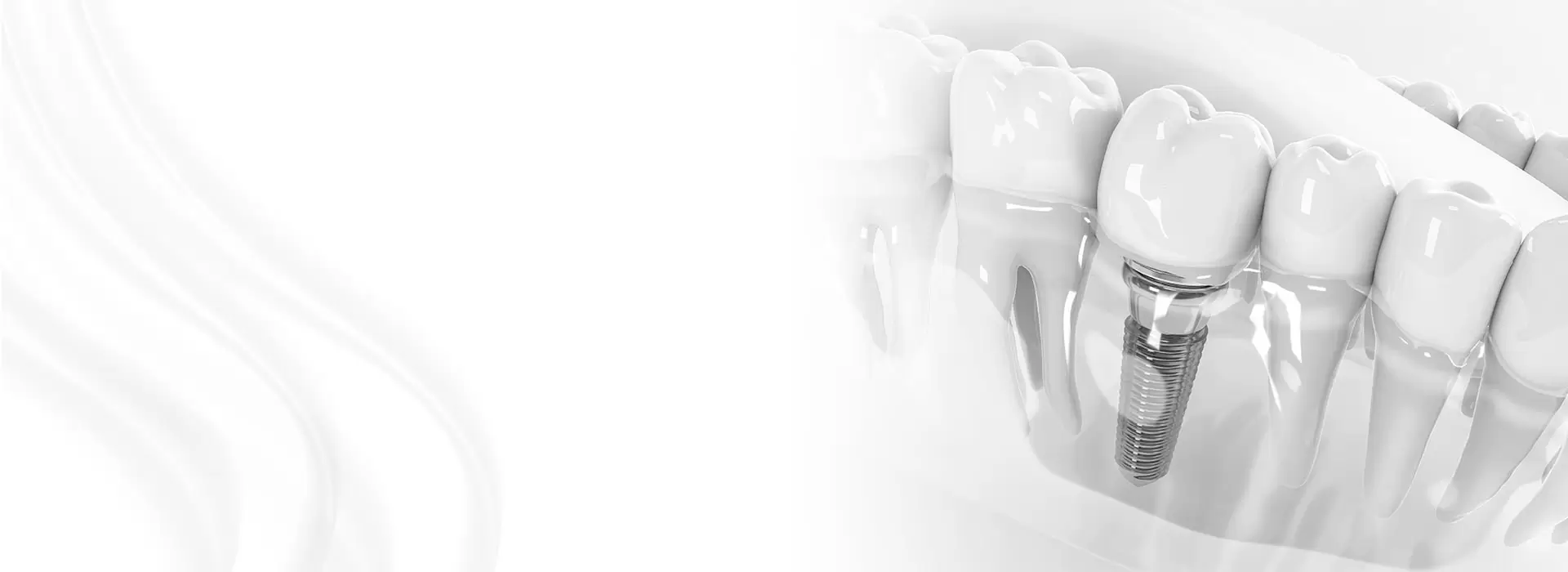
Swelling and bruising are common after dental implant surgery. They are part of the body’s normal healing response, especially when bone grafting, multiple implants or a tooth extraction is completed during the same appointment. Swelling often increases during the first 48 to 72 hours before gradually settling, while bruising may appear on the cheek or jaw several days after treatment.
Careful aftercare can make this period more comfortable and support proper healing around the implant. Your implant dentist’s instructions should always take priority because the right advice depends on the procedure, your medical history and the medicines you take.
What To Expect During The First Few Days
Mild bleeding, tenderness and facial swelling are expected after implant placement. Swelling can spread towards the cheek, lower jaw or, after treatment in the upper jaw, the area beneath the eye. Bruising may look red, purple, blue or yellow as it changes during healing. These signs usually improve within one to two weeks.
Apply a cold pack to the outside of the face during the first 24 hours. Use it for around 15 minutes, then remove it for 15 minutes to protect the skin. A clean cloth between the pack and your cheek can prevent irritation. Cold treatment is most useful early; continuing to apply intense cold for several days is unlikely to speed recovery.
Rest with your head raised on two pillows, particularly during the first night. Bending down, lifting heavy objects and strenuous exercise can increase blood flow to the surgical area and encourage further bleeding or throbbing. A quiet day at home is usually sensible after surgery, whether you live in Brisbane, Perth or another Australian city.
Managing Bleeding And Protecting The Surgical Site
Your dentist may place gauze over the implant area. Hold it with firm, steady pressure for the time recommended by the clinic, commonly 30 to 60 minutes. Slightly pink saliva is normal, but repeatedly checking the site, spitting forcefully or changing gauze too often can disturb the forming blood clot.
Avoid vigorous rinsing, forceful brushing around the wound and using a water flosser directly over the implant during the first day. After this period, gentle warm salt-water rinses may be recommended. Let the solution move around the mouth without aggressive swishing. Use any prescribed antimicrobial mouthwash exactly as directed; products containing chlorhexidine are not suitable for every patient or for indefinite use.
Do not smoke or vape while the area is healing. Tobacco reduces blood supply and increases the risk of infection and implant failure. Alcohol can also irritate tissues and interact with pain medicines. If you are travelling home after treatment in Izmir, arrange clear written instructions before leaving the clinic and avoid planning a long flight until your dentist confirms that it is safe.
Food, Drinks And Daily Habits That Help
Choose soft, cool or lukewarm foods that require little chewing. Smooth yoghurt, scrambled eggs, mashed vegetables, soup that has cooled, pasta and soft fish can be easier to manage. Chew on the opposite side and avoid hard crusts, seeds, nuts, popcorn and sticky foods that can press against the surgical site.
Very hot food and drinks may increase bleeding or burn areas that feel numb after local anaesthetic. Using a straw can create suction, so it is best avoided during the early healing period. Drink water regularly, particularly in Australia’s warmer months when dehydration can be easy to overlook. Sydney summers, for example, can make outdoor activity and alcohol seem appealing, but heat and exertion are better avoided immediately after surgery.
Continue brushing the rest of your teeth gently to keep plaque under control. Do not scrub the implant wound or disturb sutures. Your dentist may recommend a small surgical toothbrush, a modified brushing routine or a temporary pause from flossing in a particular area.
Pain Relief And Medicines
Take prescribed pain relief before discomfort becomes severe, following the dose and timing provided by your dentist. Some patients can use paracetamol, while others may be advised to take an anti-inflammatory medicine. Ibuprofen is not appropriate for everyone, including people with certain stomach, kidney, bleeding or cardiovascular conditions. Aspirin can increase bleeding unless it has been specifically prescribed for you.
Tell the dental team about blood thinners, diabetes medicines, supplements and allergies before surgery. Do not stop anticoagulants without instructions from the prescribing doctor and dentist. Antibiotics are not automatically required after every implant procedure, and taking leftover medication from a previous illness can be unsafe.
Australian patients often purchase medicines through a local pharmacy after returning home. Check the active ingredients to avoid accidentally taking two products containing paracetamol or another shared medicine. If you have received treatment overseas, keep the implant report, prescription details and contact information for the treating clinic so an Australian dentist can understand what was done.
When Swelling Or Bruising Needs Attention
Contact your implant dentist if swelling continues to worsen after the third or fourth day, becomes increasingly hard or painful, or is accompanied by pus, a foul taste, persistent fever or an unpleasant smell. Increasing difficulty opening the mouth, severe pain that is not controlled by prescribed medicine or an implant that feels loose also needs prompt assessment.
Seek urgent medical care for trouble breathing, swallowing or speaking, rapidly expanding swelling, uncontrolled bleeding or signs of a serious allergic reaction. In Australia, call Triple Zero (000) for a medical emergency. For less urgent concerns outside clinic hours, an after-hours medical service or local emergency department can provide guidance, although the treating dental team should remain your main contact for implant-specific questions.
Bruising can look alarming without indicating a complication. It may spread lower onto the cheek or neck as blood moves through the tissues, then change colour before fading. Photographing the area once daily in similar lighting can help you and the dentist identify whether it is improving, rather than repeatedly pressing the swollen tissue.
Planning Follow-Up And A Smooth Recovery
Attend the review appointment recommended by your dentist. The clinician may check the gum, remove or assess sutures, review healing and confirm when normal brushing, exercise and food can resume. Implant treatment is completed in stages, so the visible result is not an indication that the implant has fully bonded with the jawbone.
If you are comparing treatment in Australia with care overseas, consider the entire recovery plan rather than the surgery price alone. Adult dental implants are generally not covered by Medicare, and private health extras policies may have waiting periods, annual limits or exclusions for implants and major dental work. Ask the insurer for written confirmation before assuming a benefit applies. Dental professionals working in Australia should be registered through the Australian Health Practitioner Regulation Agency, while overseas treatment requires careful planning for follow-up after you return.
Keep the clinic’s emergency number and your operative notes available during recovery. If you are returning to Adelaide, Melbourne or another distant location, identify a nearby dentist before travelling. A personalised plan from a qualified implant team can account for bone grafting, existing medical conditions, smoking status and the practical timing of your trip.
Most post-operative swelling and bruising improve with rest, cold therapy, gentle hygiene, suitable food and correct medication use. TruDent Clinics can assess your oral health, explain the implant process and create an individual aftercare plan for treatment in Izmir. Schedule a consultation to discuss your procedure, recovery timeline and the support available before and after surgery.