Choosing a Dental Implant That Matches Your Bone Density
Dental implants are not a one-size-fits-all treatment. The ideal implant depends on the amount and quality of jawbone available, the position of the missing tooth, your bite, gum health, and the long-term demands placed on the restoration. Bone density is especially important because an implant must achieve reliable stability while the surrounding bone heals around its surface.
Patients in Australia often begin their search with a local dentist in Sydney, Melbourne, Brisbane, Perth or another major centre, then compare treatment options overseas. Turkey is a popular destination for dental tourism because clinics such as TruDent Clinics in Izmir combine implant dentistry with digital planning and personalised care. Even so, the decision should be based on diagnostic evidence rather than price or the implant brand alone.
A thorough consultation should establish whether you have enough healthy bone for a conventional implant, whether grafting may be useful, and which implant dimensions and design are suitable. A CBCT scan, clinical examination and review of your medical history can help create a treatment plan that is safer, more predictable and easier to maintain over time.
Why Bone Density Matters For Implant Stability
Bone density describes how compact and strong the jawbone is. Dense bone generally provides firm initial support, while softer bone may need a more cautious surgical approach and a longer healing period. The upper back jaw often has lower-density bone because of the nearby sinus, whereas the lower front jaw commonly contains denser cortical bone.
Dentists may describe bone quality using broad categories such as D1 to D4. D1 bone is very dense and can provide strong mechanical stability, although it requires careful drilling to avoid excessive heat. D2 bone is usually favourable for implant treatment. D3 and D4 bone are softer and may require a wider implant, a modified thread design, staged loading or bone augmentation.
Low bone density does not automatically rule out dental implants. It changes the planning process. The implant may need to be placed with a controlled drilling protocol, allowed to integrate for longer, or supported by grafting. Smoking, uncontrolled diabetes, periodontal disease and certain medications can also affect healing and should be discussed before treatment.
Matching Implant Design To The Available Bone
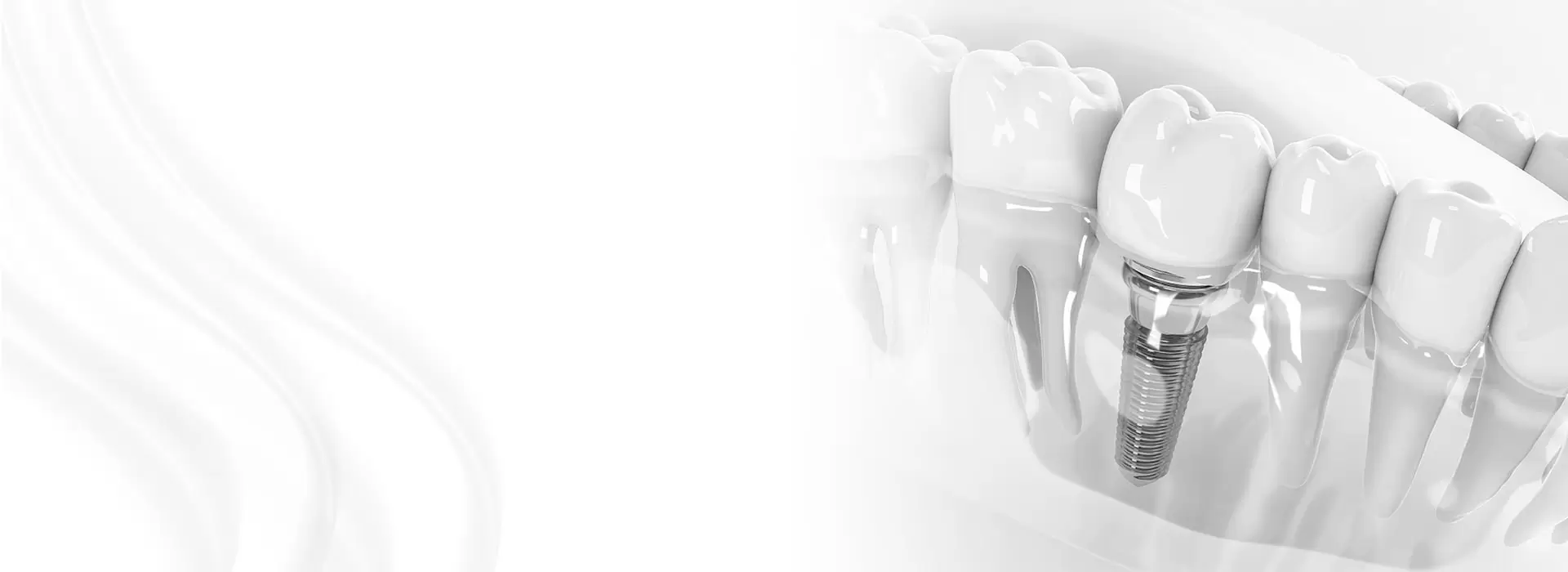
Implants vary in length, diameter, thread pattern, surface treatment and connection design. A wider implant can provide greater contact with the surrounding bone when height is limited, while a shorter implant may be considered where the sinus or nerve makes a long implant unsuitable. The choice must match the anatomy rather than relying on a standard size.
Narrow-diameter implants may be useful in areas with limited horizontal bone, such as a lower front tooth, but they are not appropriate for every biting situation. They may be less suitable where heavy chewing forces or a broad molar crown would place excessive stress on the implant. Tapered implants can help achieve stability in softer bone by gradually compressing the surrounding area, although excessive compression can be harmful if the bone is already dense.
Some patients with substantial bone loss may be assessed for zygomatic implants, which anchor in the cheekbone rather than the severely resorbed upper jaw. These are advanced procedures and require specialist assessment. Subperiosteal solutions may be considered in selected cases, but conventional endosteal implants remain the most common option when adequate bone can be developed or preserved.
Using Scans And Grafts To Improve The Treatment Plan
A panoramic X-ray gives a useful overview, but a CBCT scan provides three-dimensional information about bone width, height and density. It can show the relationship between the proposed implant site and important structures such as the inferior alveolar nerve, sinus floor and neighbouring tooth roots. Digital planning may also help the clinician assess the planned crown position before selecting the implant.
If the ridge is too narrow, guided bone regeneration may add volume around the implant site. A sinus lift can increase bone height in the upper posterior jaw when the sinus has expanded after tooth loss. In other situations, a block graft or particulate graft may be recommended. Healing times vary, and grafting does not guarantee that implant placement will be possible, so expectations should be explained clearly.
Australian patients arranging treatment in Izmir should request copies of their CBCT images, implant details and operative notes for their dentist at home. This is particularly important for people returning to regional areas or travelling back to Australia soon after surgery. Follow-up with a local practitioner may be easier in Melbourne or Adelaide than during an overseas trip, so aftercare should be organised before treatment begins.
Considering Healing, Loading And Everyday Forces
Bone density influences how quickly an implant can be loaded. Immediate loading may be possible when primary stability is strong and the bite can be controlled, but softer bone often benefits from a healing period before the final crown is attached. A temporary tooth may be provided while osseointegration takes place, depending on the position of the implant and the appearance required.
The back teeth receive substantial chewing forces, particularly for people who grind their teeth or clench during sleep. A patient with softer bone may need a larger contact area, a carefully designed crown and a night guard after restoration. Implant success also depends on the health of the gums around the implant, so brushing, interdental cleaning and professional maintenance remain important after surgery.
Lifestyle and health factors deserve equal attention. Smoking can impair circulation and healing, while poor plaque control increases the risk of peri-implant disease. Patients should disclose osteoporosis treatment, blood-thinning medication, allergies and previous jaw problems. If facial tension or jaw discomfort is part of the wider concern, guidance about jaw pain after Botox may also be relevant when discussing cosmetic or jaw-related treatments with a clinic.
Comparing Care In Australia And Turkey
Australian patients usually consider the full treatment journey rather than the procedure alone. Medicare generally does not cover routine dental implants, while some private health policies offer limited extras cover subject to waiting periods, annual limits and policy exclusions. Patients should check their individual cover and obtain a written quotation before committing to treatment, whether the provider is in Australia or overseas.
The local dental market also differs between metropolitan and regional areas. A patient in Sydney may have access to several implant specialists, while someone in regional Queensland or Western Australia may need to travel for CBCT imaging, grafting or complex reconstruction. This affects the practical cost of appointments, accommodation and time away from work, particularly when multiple treatment stages are needed.
Travelling from Australia to Izmir involves more than comparing the implant fee. Patients should allow time for assessment, surgery and early review, and should avoid planning strenuous activities immediately after treatment. A reputable clinic should explain the implant system used, the qualifications of the treating dentist, the expected healing schedule and what happens if an adjustment or complication occurs after returning home.
A personalised consultation at TruDent Clinics can bring these factors together. The dentist can review your scan, assess bone quality, explain alternatives such as grafting or short implants, and develop a staged plan for the final crown or bridge. Clear records and communication with your Australian dentist can make ongoing maintenance more straightforward.
The best implant choice is the one that fits your anatomy, health, bite and long-term care arrangements. Arrange a detailed consultation with TruDent Clinics to review your bone density and receive a treatment plan designed around your smile, function and travel needs.