How to Speed Up Recovery After Oral Surgery
Oral surgery can involve tooth extraction, dental implants, bone grafting, gum procedures, or jaw-related treatments. Although many procedures are completed quickly, the tissues need time to heal. The first few days are especially important because good aftercare can reduce swelling, bleeding, discomfort, and the risk of infection.
Recovery times vary according to the procedure, your general health, and how closely you follow your dentist’s instructions. A straightforward extraction may feel much better within several days, while implant placement or bone augmentation can require a longer healing period. Your clinician’s personalised advice should always take priority over general guidance.
Knowing what to do before and after surgery can make the healing process more comfortable. Small habits—such as protecting the blood clot, choosing suitable foods, and avoiding smoking—can have a meaningful effect on recovery after oral surgery.
Protect The Surgical Area Immediately
After the procedure, your dentist may place gauze over the area to control bleeding. Keep gentle, steady pressure on the gauze for the recommended period, usually by biting down without chewing it. A small amount of blood-tinged saliva is common during the first day, but persistent or heavy bleeding should be reported to the clinic.
Avoid vigorous rinsing, forceful spitting, and drinking through a straw during the first 24 hours unless your dental team gives different instructions. These actions can disturb the developing blood clot, which is essential for healing after an extraction. Losing the clot may lead to dry socket, a painful condition that can delay recovery.
Keep your fingers, tongue, and toothbrush away from the surgical site as much as possible. If you have sutures, do not pull or manipulate them. Follow any prescribed instructions for antibiotics, pain relief, or antimicrobial mouthwash, and do not stop medication early unless your dentist advises you to do so.
Reduce Swelling And Discomfort
Swelling often increases during the first two or three days before gradually improving. Apply a cold pack to the outside of your cheek for short intervals, such as 15 to 20 minutes followed by a break. Wrap the pack in a cloth to protect your skin, and avoid placing ice directly on the face.
Rest with your head slightly elevated, especially during the first night. An extra pillow can help limit throbbing and fluid accumulation. Strenuous exercise, heavy lifting, and bending over may increase bleeding or swelling, so keep physical activity light until your dentist confirms that it is safe to resume your normal routine.
Take pain medication exactly as directed. It is often more effective when used before discomfort becomes severe, but avoid exceeding the recommended dose. If you have a history of stomach ulcers, kidney disease, liver disease, allergies, or medication sensitivities, make sure your dental team knows before treatment.
Choose Foods That Support Healing
Soft, cool, or lukewarm foods are generally easier to manage after oral surgery. Suitable choices may include yoghurt, scrambled eggs, mashed vegetables, smoothies consumed with a spoon, soft pasta, porridge, and blended soups that are not hot. Chew on the opposite side of the mouth if this is comfortable and permitted.
Good nutrition supports tissue repair, so aim for enough protein, calories, vitamins, and fluids. Eggs, dairy products, legumes, fish, and soft poultry can provide protein without placing excessive pressure on the treated area. Drink water regularly, but avoid alcohol and very hot beverages during the early healing period.
Hard, sharp, sticky, spicy, or highly acidic foods may irritate the wound. Seeds, nuts, popcorn, and crusty foods can become trapped around an extraction or implant site. Gradually return to your usual diet as tenderness improves, following any restrictions provided for your specific procedure.
| Recovery period |
What may be normal |
Helpful care |
| First 24 hours |
Mild bleeding, tenderness, numbness, and early swelling |
Use gauze as directed, rest, apply cold packs, and choose soft foods |
| Days 2–3 |
Swelling or bruising may reach its peak |
Keep activity light, maintain prescribed medication, and avoid smoking |
| Days 4–7 |
Discomfort should begin to settle |
Gently clean the mouth as instructed and slowly expand food choices |
| After one week |
The surface may look improved while deeper healing continues |
Attend follow-up visits and protect the area from pressure or trauma |
| Several weeks or longer |
Bone and implant healing may still be progressing |
Follow the personalised maintenance plan and attend scheduled reviews |
Maintain Oral Hygiene Without Irritating The Wound
Keeping the mouth clean helps limit harmful bacteria, but the surgical area must be treated gently. Continue brushing the teeth that are away from the wound with a soft-bristled toothbrush. Your dentist may recommend avoiding direct brushing over the site for a short period.
After the first day, gentle salt-water rinses may be recommended for some procedures. Let the solution move around the mouth without vigorous swishing, then allow it to fall out rather than spitting forcefully. Do not use a mouthwash containing alcohol unless your dental professional specifically recommends it.
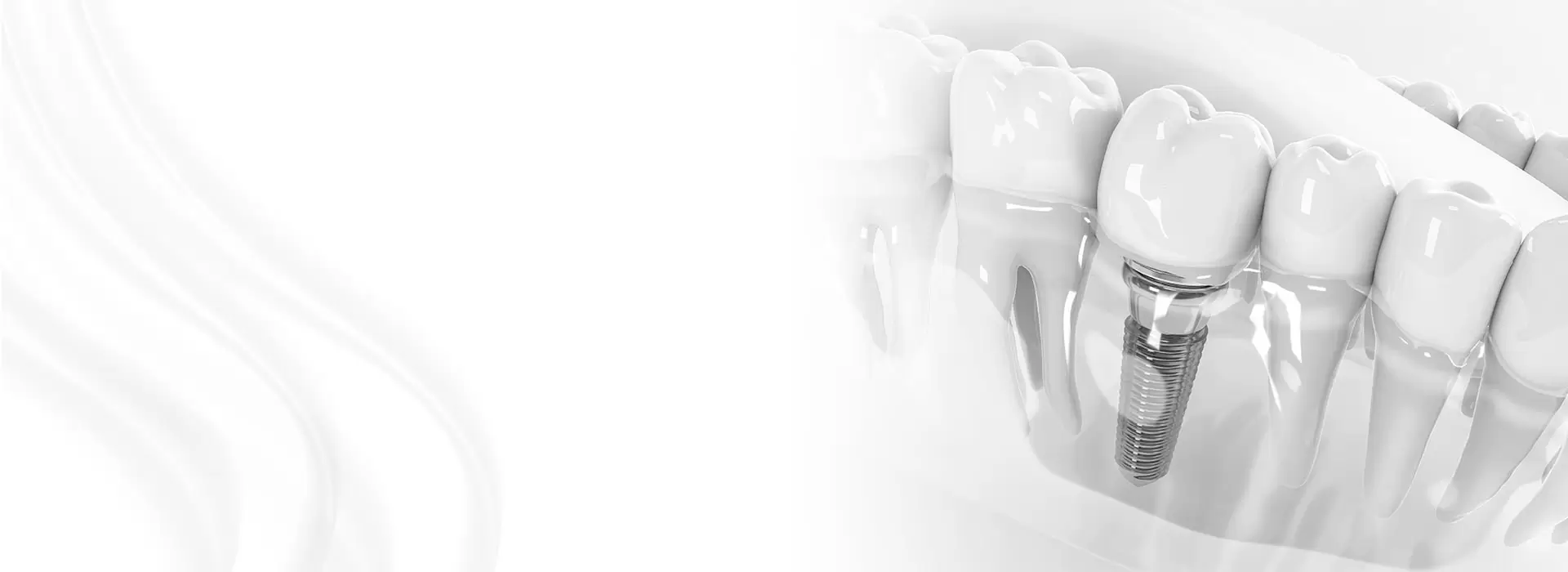
If you have an implant, gum surgery, or bone graft, cleaning instructions may be more specific. Your dentist might provide a special brush, syringe, or antimicrobial rinse. Using these products incorrectly can interfere with healing, so ask for clear instructions during your appointment.
Avoid Habits That Delay Healing
Smoking and vaping can restrict blood flow, expose the wound to irritants, and increase the risk of infection or dry socket. Avoid them for as long as your dental team advises; a longer period may be necessary after implant placement or complex surgery. Alcohol can also interfere with medication and recovery, so avoid it during the early healing phase.
Do not return to contact sports or activities that could cause facial impact until the wound has stabilised. Avoid chewing directly over the treatment area and do not use the surgical site to test whether it has healed. A lack of pain does not always mean that deeper tissues are ready for pressure.
Sleep, hydration, and stress management also support recovery. Poor sleep can make discomfort feel more intense, while dehydration may leave the mouth dry and irritated. Planning lighter meals and arranging time away from demanding activities can make postoperative care easier.
Recognise Warning Signs
Some tenderness, swelling, bruising, and limited jaw opening can be expected. These symptoms should gradually improve rather than become significantly worse after the first few days. A mild temperature increase may occur, but a persistent fever requires professional advice.
Contact your dentist promptly if bleeding does not settle with firm gauze pressure, swelling continues to increase, pain becomes severe or suddenly worsens, or you notice pus, a foul taste, or a persistent unpleasant odour. Difficulty breathing or swallowing requires urgent medical attention.
After an extraction, intense pain that develops several days later may indicate dry socket. Numbness that does not improve, a loose implant, damage to a temporary restoration, or an allergic reaction to medication should also be assessed. Early contact allows the dental team to treat complications before they become more serious.
Follow Your Personalised Aftercare Plan
The most effective recovery strategy depends on the operation performed. After a simple extraction, the priority may be protecting the clot and keeping the area clean. After implant surgery, avoiding pressure and attending review appointments are especially important. Bone grafting and gum procedures may require specific restrictions on brushing, diet, and activity.
A follow-up visit allows the dentist to check soft-tissue healing, remove sutures when needed, and confirm that there are no signs of infection. For implant patients, later appointments may be used to assess integration with the jawbone before the final restoration is fitted.
At TruDent Clinics in Izmir, Turkey, oral surgery and implant care are planned around the patient’s dental condition, medical history, and treatment goals. A consultation can clarify the expected recovery timeline, medication instructions, dietary limitations, and the warning signs that require contact with the clinic.
Arrange a consultation with TruDent Clinics to receive a clear, personalised plan for your procedure and aftercare. With professional guidance and careful daily habits, you can support comfortable healing and return to your normal routine with greater confidence.