How to spot a dental laboratory using low-quality ceramics
A veneer, crown or implant crown may look immaculate in the clinic, yet its durability depends heavily on an often invisible technical process. A laboratory using low-quality ceramics can produce work that initially seems convincing but chips, stains, loses its bite or separates from the tooth sooner than expected. Because these failures may emerge months later, patients need a way to assess quality before treatment begins.
The most useful check is not whether a zirconia block or porcelain paste carries a famous name; it is whether the case has been designed, milled, fired, finished and documented for that particular patient. Cosmetic dentistry in Australia increasingly combines digital scanning with skilled laboratory work, so patients can ask clear questions about materials, colour matching, fit and quality control without needing to understand every technical term.
Warning signs worth investigating
Low quality rarely appears as one obvious mistake. It can show as uneven colour, excessive shine, clumsy contours, inconsistent joins or a restoration that does not feel aligned with the rest of the mouth. Some defects are visible during the try-in; others emerge only after repeated biting, grinding and cleaning. The comparison below highlights practical warning signs, although no single feature proves poor workmanship without clinical assessment.
| Signal |
Strong sign |
Warning sign |
| Marginal fit |
Precise adaptation with clean, closed margins |
Gaps, overhangs or exposed edges |
| Colour |
Individually assessed and cross-checked |
Generic shade selected without a try-in |
| Surface finish |
Appropriate glazing and polishing |
Roughness, dullness or an unnatural glossy surface |
| Structural design |
Anatomy and connectors planned for the intended load |
Thin sections, copied contours or unsupported shapes |
| Quality records |
Material, process and checks are documented |
Vague material names and little technical detail |
A particularly revealing sign is a restoration that looks flat. Natural teeth reflect and absorb light in complex ways, while well-made ceramic should reproduce depth, translucency and subtle colour variation. An inexpensive block used without proper characterisation can look uniformly white or grey, even when its shape appears acceptable at first glance.
Fit and finish deserve equal attention. Ceramic should meet the tooth cleanly, support proper contacts and avoid forces that could chip it or wear the opposing enamel. Even a skilled cosmetic dentist cannot compensate indefinitely for an ill-fitting restoration, so evidence of careful adaptation, accurate bite records and detailed finishing should matter as much as photographs of the finished smile.
Match the ceramic to its purpose
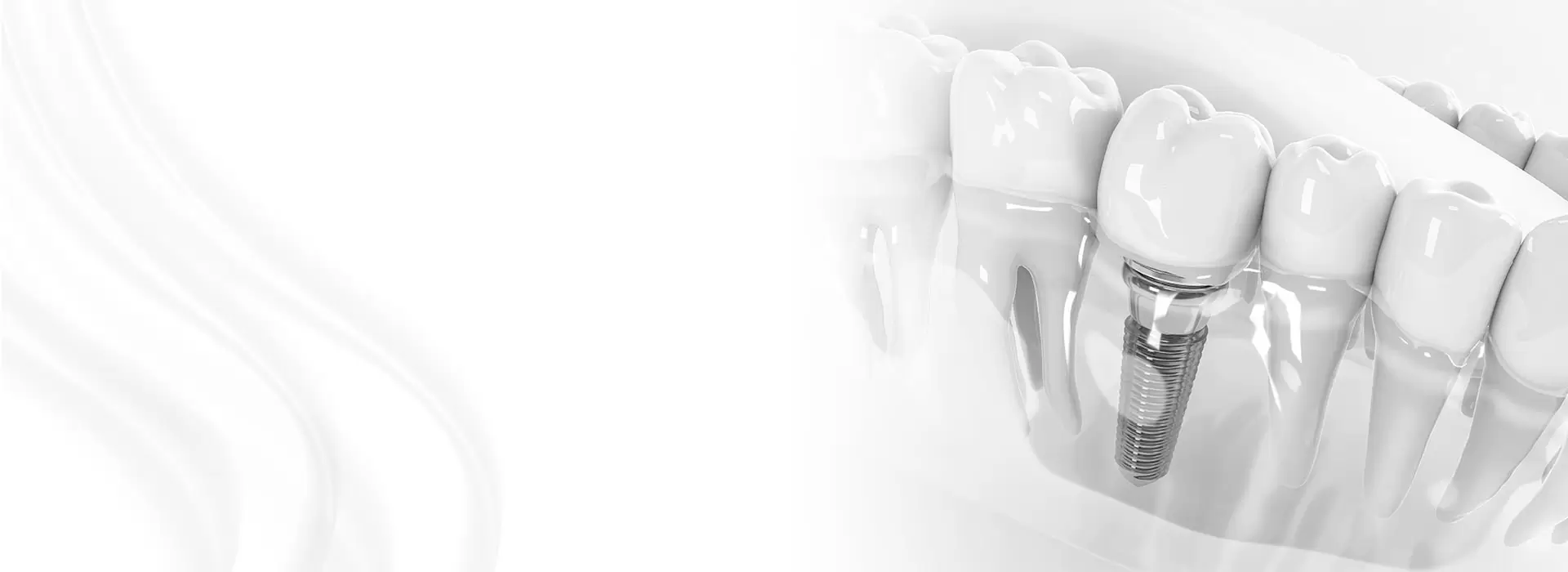
Not every ceramic is designed for every position. Traditional feldspathic porcelain can provide excellent translucency but may need more protection from heavy biting. Lithium disilicate offers a useful balance of strength and appearance, while zirconia is highly versatile but varies considerably between systems. A lower-priced material may be suitable for a back tooth while being a poor choice for a highly visible front restoration.
In Australia, dentists must be registered with the Australian Health Practitioner Regulation Agency, while the Therapeutic Goods Administration oversees requirements for many dental devices. Australian Dental Association guidance also supports informed consent and documented treatment planning. These safeguards establish a useful baseline, but they do not independently certify the artistic or technical quality of an outsourced laboratory.
Cosmetic practices around Melbourne and Sydney commonly use digital scanners, CAD/CAM design and either local or specialist laboratories. Quotes may separate consultation, imaging, laboratory and placement costs, so patients should ask what the laboratory fee represents. A detailed estimate should identify proposed materials, revisions and aftercare rather than presenting “a crown” as a single undifferentiated product. Treatment planned overseas also warrants extra questions about adjustments, repairs and responsibility for follow-up after returning to Australia.
Follow the restoration’s journey
Quality control begins before the tooth is prepared. Digital scans, photographs, bite records and a planned tooth shape give the laboratory the information needed to create an accurate restoration. Weak scans or incomplete instructions can compromise even excellent ceramic, which is why communication between the dentist and laboratory is part of the product rather than an optional extra.
Shortcuts may include using a generic tooth design, skipping a wax-up, applying colour without testing it, or changing the prescribed firing and polishing procedures. Genuine blocks and materials should be handled according to their manufacturer’s instructions, including accurate milling, sintering and finishing. Counterfeit or incorrectly stored materials are harder to detect but may fracture, wear or discolour unpredictably.
Digital production does not automatically guarantee superior quality. A scanner can faithfully reproduce a flawed plan, and advanced milling equipment cannot correct an inappropriate design. Look for a sequence of checks: design approval, material selection, fit assessment, occlusal adjustment, surface characterisation and final polishing. Each stage should have a clear reason and, ideally, a recorded outcome.
Questions that expose shortcuts
Patients do not need to inspect a furnace or interpret a strength rating to ask useful questions. The treating cosmetic dentist should be able to explain the proposed ceramic, the laboratory process and the reasons behind the treatment plan.
Questions for the treating dentist:
- Which ceramic system and brand will be used, and is it suitable for this tooth position?
- Will the restoration be designed specifically for my bite and facial appearance?
- Can I see a wax-up, digital preview or try-in before the final ceramic is cemented?
- Does the written treatment plan separate laboratory, treatment and aftercare costs?
The answers should be understandable, even when technical language is used. If a clinician cannot explain how the material was selected or what checks occur before delivery, that is not automatically proof of low quality, but it is a reason to request clarification.
Questions for the laboratory or practice:
- What quality checks are completed before the restoration is returned to the clinic?
- How is the baseline colour recorded and verified against the selected ceramic system?
- Is the case individually designed, or is it adapted from a standard template?
- Can the laboratory provide examples of similar veneers, crowns or implant restorations?
Written confirmation is useful because it creates a record of what was promised. It also helps distinguish genuine laboratory communication from a vague verbal description that could mean different things to the patient, dentist and technician.
Check communication and clinical safeguards
A reputable laboratory should be able to discuss ceramic systems, firing procedures, characterisation, polishing and fit verification. It should also recognise when a design creates excessive force or an unsupported edge. Good communication does not mean the laboratory overrides clinical judgement; it means the dentist and technician can challenge an unsuitable plan before it becomes an expensive restoration.
The dentist’s role remains central. The restoration should be checked intraorally for margins, contacts, colour, contours and occlusion. Any adjustment must be followed by the correct polishing procedure, because an unpolished ceramic surface can accumulate plaque and encourage staining. Patients should also receive advice on brushing, interdental cleaning, grinding habits and the type of night guard suitable for someone with bruxism.
Australians considering treatment in Turkey should not rely on a promise made only at the time of travel. Ask how clinical records will be shared, what happens if an adjustment is required after returning to Adelaide or Perth, and which clinician is responsible for immediate problems. A clear aftercare pathway is more meaningful than a dramatic before-and-after photograph or a claim that a particular ceramic is completely unbreakable.
Book a consultation with confidence
A consultation is the right point to assess whether the proposed ceramic, laboratory and clinical plan fit your smile, budget and long-term goals. Bring recent photographs, relevant dental records and information about grinding, clenching, previous restorations and allergies. A good clinician will discuss limitations, maintenance and possible repair needs as well as the desired appearance.
Patients considering cosmetic or restorative treatment can review TruDent Clinics in Izmir, where personalised treatment planning is central to consultations across veneers, crowns, aligners, implants and general dental care. Contact the clinic to arrange a consultation, confirm what records are needed and clarify follow-up arrangements before travelling.