How to Tell If You Need a Crown or a Filling
A damaged tooth does not always need the same type of restoration. A small cavity may be repaired with a filling, while a tooth weakened by extensive decay, a large fracture, or root canal treatment may require a dental crown. Choosing the right option depends on how much healthy tooth remains and whether the tooth can withstand normal biting pressure.
The difference is not always visible in a mirror. A tooth may feel sensitive without needing a crown, while a tooth with significant structural damage may cause only mild symptoms. A dentist usually combines an examination, dental X-rays, your symptoms, and the tooth’s location before recommending treatment.
At TruDent Clinics in Izmir, treatment planning is tailored to the condition of each tooth, your oral health, and your long-term goals. Understanding the purpose of fillings and crowns can help you attend an appointment prepared and recognize why one restoration may be more suitable than the other.
What A Dental Filling Does
A filling repairs a tooth after a dentist removes decayed or damaged enamel and dentin. The remaining space is cleaned and sealed with a restorative material, commonly tooth-coloured composite resin, amalgam, ceramic, or glass ionomer. The restoration closes the cavity and helps prevent bacteria from reaching deeper layers.
Fillings are generally appropriate when the damage is limited or moderate and enough natural tooth structure remains to support the repair. They are often used for small to medium cavities, minor chips, worn areas, and early damage between teeth. A composite filling can usually be shaped and colour-matched so that it blends with the surrounding enamel.
The procedure is typically completed in one visit. After the area is numbed, the dentist removes the decay, prepares the tooth, places the material, and checks the bite. Sensitivity for a short period may occur, especially after treatment of a deep cavity, but persistent or worsening discomfort should be assessed.
When A Crown Provides Better Protection
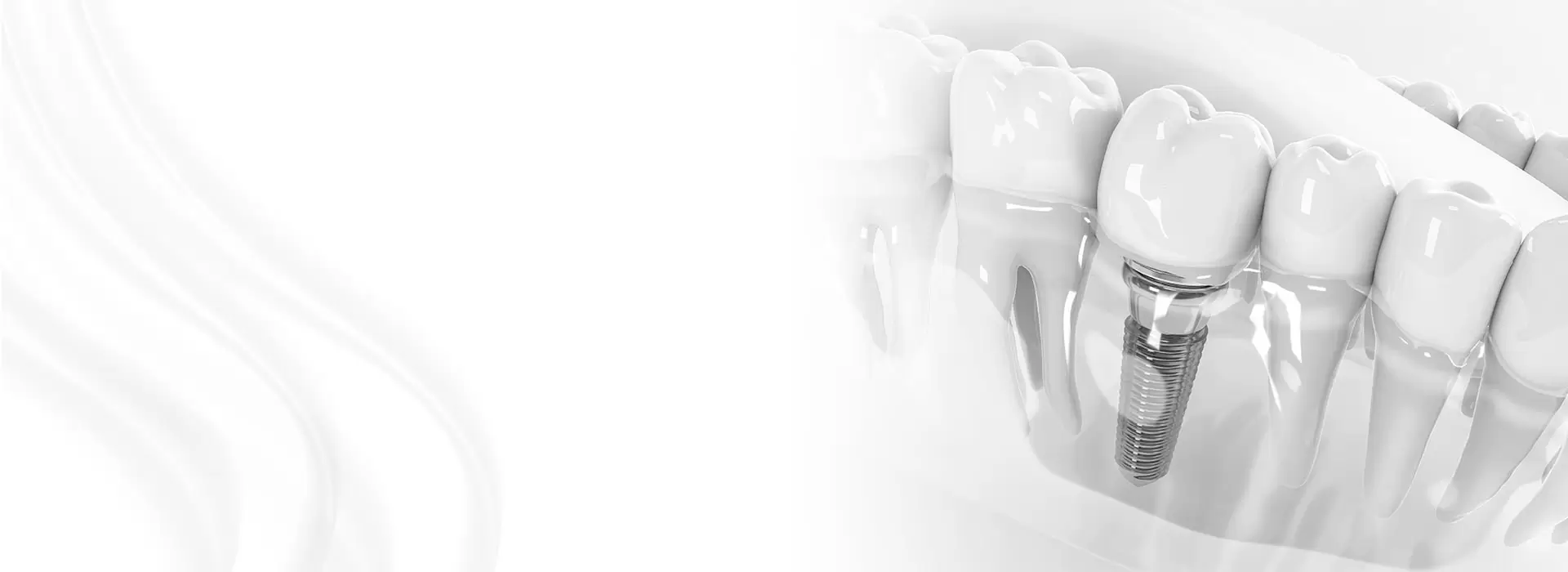
A crown, sometimes called a dental cap, covers the visible portion of a tooth above the gum line. It is designed to restore the tooth’s shape, function, strength, and appearance when a filling would leave too little support. Crowns can be made from porcelain, zirconia, porcelain-fused-to-metal, or other dental materials selected for the tooth’s needs.
A crown may be recommended when decay affects a large area, when a tooth has a substantial crack, or when an old filling has repeatedly failed. Teeth that have undergone root canal therapy often need a crown because the treatment can leave them more vulnerable to fracture. Back teeth receive considerable chewing pressure, making reinforcement particularly important in suitable cases.
A crown does require more preparation than a filling. The dentist reshapes the tooth so the crown can fit securely, takes a digital scan or impression, and may place a temporary crown while the permanent restoration is prepared. The final crown is then checked for comfort, bite, colour, and a close margin around the tooth.
Signs That May Point To Each Treatment
Symptoms can offer useful clues, but they cannot determine the restoration by themselves. Short, mild sensitivity to cold or sweets may occur with a cavity that can be treated with a filling. A small visible hole, food trapping in one area, or a rough edge may also indicate localised decay or enamel damage.
A crown becomes more likely when a tooth has a large missing section, a visible crack, repeated breakage, or a very large existing filling. Pain when biting or releasing the bite can sometimes be associated with a crack. Severe or lingering sensitivity may indicate that the inner pulp is inflamed, which could require additional treatment before a filling or crown is placed.
Swelling, spontaneous toothache, fever, or a bad taste can indicate infection and should receive prompt dental attention. These symptoms do not automatically mean a crown is needed. The tooth may first require root canal treatment, drainage, or another procedure to control infection and protect the surrounding tissues.
Crown Or Filling: Key Differences
The most important distinction is the amount of tooth structure that must be restored and protected. A filling replaces material within the tooth, whereas a crown surrounds and reinforces the tooth. In some cases, a dentist may also discuss an inlay or onlay, which restores more than a filling but preserves more natural tooth structure than a full crown.
Material, location, bite force, cosmetic expectations, and the health of the gums all influence the decision. A front tooth with a small cavity may be repaired conservatively, while a heavily restored molar may need a stronger full-coverage restoration. A tooth-coloured ceramic or zirconia crown may be considered when appearance is important, although suitability depends on clinical factors.
| Factor |
Filling |
Dental Crown |
| Typical use |
Small to moderate decay or minor damage |
Extensive decay, cracks, fractures, or weakened teeth |
| Tooth preparation |
Removes affected areas and preserves more natural structure |
Reshapes the tooth to receive a protective cap |
| Coverage |
Repairs a section of the tooth |
Covers most of the visible tooth |
| Treatment time |
Often completed in one appointment |
Usually requires preparation and a second fitting visit |
| Strength |
Suitable when the remaining tooth is stable |
Provides additional support for significantly weakened teeth |
| Cost considerations |
Usually less extensive |
Often a larger investment because of laboratory fabrication and materials |
| Appearance |
Composite can be matched to natural enamel |
Ceramic and zirconia options can provide a lifelike result |
How Dentists Decide Between Them
The dentist first examines the tooth for decay, cracks, loose fillings, weakened cusps, gum problems, and changes in colour. X-rays may reveal decay between teeth, damage beneath an old restoration, bone changes, or infection that cannot be seen during a routine visual examination. A bite test and cold or heat testing may help assess the condition of the pulp.
The amount and quality of remaining tooth structure are central to the decision. If the walls and cusps are strong enough to hold a filling, a conservative restoration may be preferable. If the tooth is thin, split, heavily filled, or exposed to high chewing forces, a crown may reduce the risk of further fracture.
The condition of the nerve also matters. If decay has reached the pulp, root canal treatment may be needed before restoring the tooth. A temporary filling or crown can sometimes protect the tooth while symptoms are monitored or treatment is completed. A qualified dentist should explain the findings, alternatives, expected lifespan, and risks before treatment begins.
What Happens If Treatment Is Delayed
Leaving decay untreated allows bacteria to progress deeper into the tooth. A small cavity may become a larger defect that requires a more complex restoration. Once the pulp becomes infected, treatment can involve root canal therapy, a crown, extraction, or replacement with a dental implant, depending on whether the tooth can be saved.
A cracked tooth can also worsen gradually. Chewing may cause the crack to spread, and repeated pressure can break off a cusp or split the tooth. A filling may not protect a tooth with a structural crack because it replaces missing material without providing complete coverage. Early evaluation gives the dentist more options for preserving natural tooth structure.
Delaying treatment can also lead to sensitivity, difficulty chewing, sleep disruption, and an emergency dental visit. Seek urgent care if you develop facial swelling, difficulty swallowing, fever, uncontrolled bleeding, or severe pain. Until an appointment, avoid chewing hard foods on the affected side and do not place aspirin directly on the gum or tooth.
Making The Right Restoration Choice
A filling is often the more conservative and straightforward option when decay is limited. A crown is generally considered when the tooth needs full-coverage protection because its structure has been substantially compromised. Neither restoration is automatically better; the appropriate choice is the one that matches the tooth’s condition and the forces it must handle.
Good oral hygiene helps both restorations last longer. Brush twice daily with fluoride toothpaste, clean between the teeth, attend regular examinations, and avoid using restored teeth to open packages or bite hard objects. Patients who clench or grind may benefit from a custom night guard, particularly after receiving a crown or large filling.
Useful points to discuss during your appointment include:
- How much healthy tooth structure remains
- Whether the pulp or nerve needs treatment
- Which restorative materials suit the tooth and your smile
- How the restoration will affect your bite and appearance
- What maintenance and follow-up care will be required
A dental examination is the only reliable way to determine whether a filling, crown, inlay, onlay, or another treatment is appropriate. TruDent Clinics can assess damaged or painful teeth, explain the available options, and create a personalised treatment plan in Izmir. Schedule a consultation before a small problem becomes a larger one and take the next step toward a comfortable, functional smile.