How to Tell If Your Gums Are Ready for Cosmetic Dentistry
Cosmetic dentistry can reshape a smile, but the result depends on more than the teeth. Veneers, crowns, whitening, aligners and implants all need a stable foundation, and the gums are part of that foundation. Inflamed or receding tissue can make treatment less predictable, complicate healing and affect how comfortably a new smile functions for years.
This guide offers practical signs to look for and explains what a qualified dentist may check before approving cosmetic work. It is general information, not a diagnosis. Australians considering treatment in Izmir can use the same checklist they would apply to a local practice, while allowing time for assessment, periodontal care and any necessary follow-up with a home dentist.
Why Healthy Gums Matter
Gums are living tissue that protects the roots of your teeth and helps anchor them to the jaw. They also form a seal against bacteria. If periodontal disease weakens this support, teeth can become sensitive, mobile or more vulnerable to decay, regardless of how healthy they look.
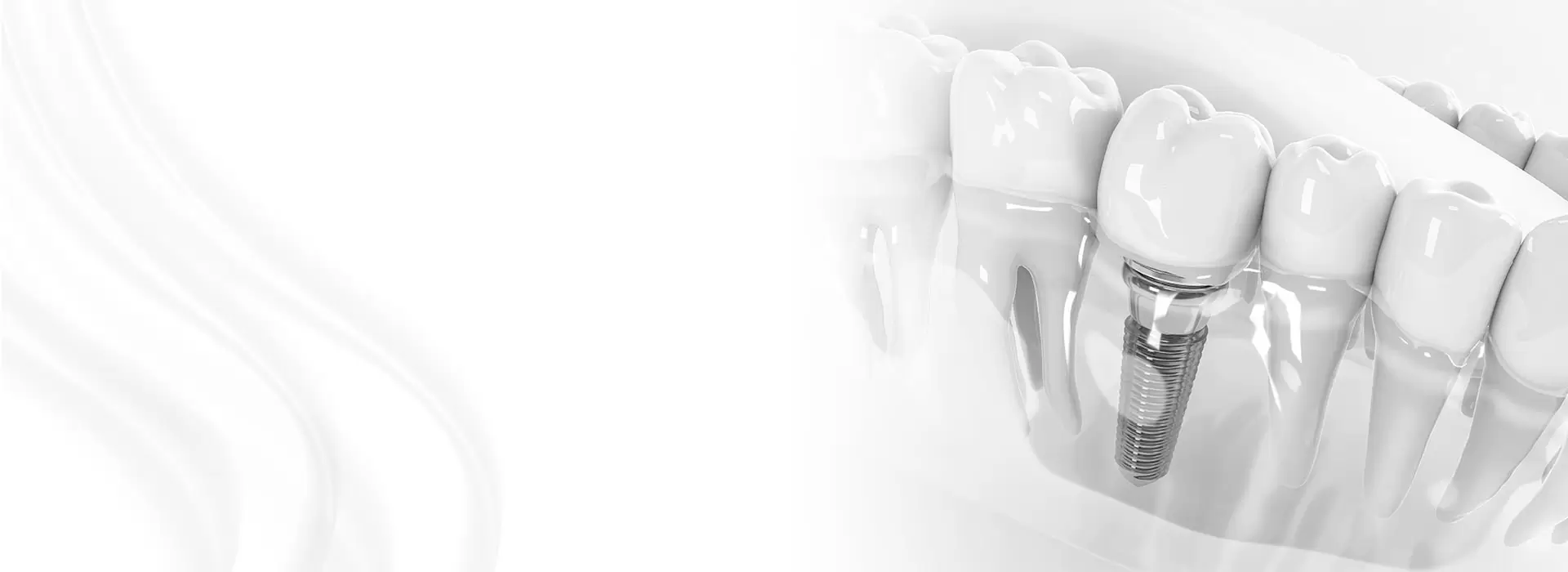
Each cosmetic procedure has its own requirements. Whitening is safer when inflammation is controlled, veneers and crowns need healthy margins and sufficient tooth structure, and aligners require careful cleaning around attachments. Implants depend on healthy gum tissue and adequate jawbone. A smile makeover or jaw-related botulinum toxin treatment should also account for the condition of the gums and the way the bite functions.
Recognising Signs of Healthy Gums
Healthy gums are usually firm, snug against the teeth and relatively smooth. They may be pink, beige, brown or another natural tone, depending on genetics and ethnicity, so colour alone does not determine whether they are healthy. They should not bleed during normal brushing, feel spongy or swollen, or repeatedly produce bad breath.
Coffee and tea are part of the daily routine for many Australians and can stain teeth, but staining is different from gum inflammation. Regular sports drinks, tobacco use and diabetes can increase periodontal risk. Smoking may also reduce visible bleeding, so apparently pink gums can still be damaged, which is why an examination remains more reliable than visual judgement alone.
Warning Signs That Need Attention
Bleeding while brushing or cleaning between the teeth is a common early warning sign of plaque-related inflammation. It should not be treated as a normal part of dental care. The response is usually to improve cleaning gently and arrange an assessment, rather than stop brushing the affected area. Pain, a metallic taste or persistent bleeding needs professional review.
Red, shiny, tender or swollen tissue can indicate gingivitis or more advanced periodontal disease. Bad breath that returns despite good brushing, a bad taste, discharge around the gumline and small white deposits near the teeth are further reasons to seek care. These symptoms may also be connected with dry mouth, medication effects or conditions such as diabetes.
Recession, exposed root surfaces, teeth that appear longer, movement or a change in the bite may indicate that damage has progressed. A small pocket of pus, rapidly increasing swelling, fever or severe pain can suggest an acute infection and warrants urgent dental attention. Patients should not delay emergency care while waiting for a cosmetic consultation.
Checking Your Mouth Before Treatment
Start with a gentle visual check in good light. Look for redness, swelling, recession, darkened gum margins, loose teeth, visible plaque or any area that bleeds when you clean it. Keep brushing with a soft toothbrush and clean between the teeth daily, but do not scrape deposits away aggressively. Persistent symptoms should be assessed before teeth are whitened, covered with veneers or reshaped with crowns.
Different treatments introduce different concerns. Whitening through a dentist can increase sensitivity if the gums are inflamed. Veneers and crowns depend on sound enamel and healthy surrounding tissue, while aligners can trap plaque around teeth and attachments. Implants need both healthy periodontal tissue and sufficient bone. For aligners, veneers, crowns or a full smile makeover, the dentist should explain how gum condition could affect the result and what maintenance will be required afterward.
What a Dental Assessment Includes
A thorough examination goes beyond checking whether the gums look pink. The dentist may measure the spaces between the teeth and gum, note bleeding and mobility, examine existing restorations and take digital X-rays when needed. Bite alignment, tooth wear and signs of bone loss are also considered. At TruDent Clinics in Izmir, this assessment can determine whether cosmetic work can proceed safely or whether gum treatment should come first.
Medical history is an essential part of that assessment. The dental team should know about diabetes, heart conditions, bleeding problems, allergies, pregnancy, smoking and every medicine you use. Bring an up-to-date medication list; if you have obtained prescription medicines online, record the active ingredient, strength and prescriber so the dentist can check for interactions and make an informed safety assessment.
Cost and coverage also deserve attention. Medicare generally does not pay for elective cosmetic dentistry, while public dental services and eligibility vary between Australian states. Private health insurance may include some restorative services, but cosmetic exclusions and waiting periods are common. Ask for a written estimate that distinguishes diagnostic care, periodontal treatment, cosmetic procedures, laboratory work and follow-up appointments.
Treating Problems Before Cosmetic Care
If plaque or early gum disease is present, a professional clean and advice on home care may be enough to bring inflammation under control. Deeper periodontal disease may require scaling, root planing or other specialist treatment. Antibiotics are reserved for particular clinical situations rather than used routinely. Active infection should be resolved before the dentist proceeds with whitening, crown preparation, veneer placement or implant surgery.
Following more invasive gum treatment or surgery, written aftercare is especially valuable. Advice on foods after dental surgery can help patients choose suitable meals while local anaesthetic remains active, chewing is uncomfortable or the gums are healing. The exact foods and restrictions will depend on the procedure, so guidance from the treating dentist should take priority.
Daily prevention helps maintain the result. Fluoride toothpaste, interdental cleaning and regular professional reviews support gum health, and many Australian communities have access to fluoridated drinking water. Patients who smoke should seek support for cessation, while those with diabetes should keep blood glucose well controlled with their medical team. A stable cleaning routine and scheduled periodontal maintenance are often more valuable than postponing cosmetic treatment indefinitely.
Planning Your Treatment With Confidence
A personalised plan should identify the condition of the gums, explain the proposed cosmetic changes and set a realistic sequence of appointments. It should also cover healing time, maintenance, possible risks and what happens if treatment needs to be adjusted. Patients travelling from Sydney, Melbourne, Brisbane or regional Australia may wish to send recent X-rays and periodontal records before travelling to Izmir for review.
Consider how treatment will be coordinated after returning home. A local dentist can usually provide routine monitoring, while the clinician who carried out complex restorative or surgical work should remain available for follow-up. Request a staged estimate in Australian dollars, clarify which appointments are included and check whether travel, accommodation and extended care fit the available time and budget.
Contact TruDent Clinics in Izmir to arrange a consultation focused on both your smile goals and gum health. The assessment will help determine whether your gums are healthy enough for cosmetic dentistry, identify any treatment needed beforehand and create a practical, personalised plan for achieving a stable and attractive result.