How to tell if your teeth are too worn for no-prep veneers
Veneers without preparation, often marketed as "no-prep" or "minimal-prep", promise a transformed smile without the drill. For patients across Sydney, Brisbane and Melbourne, the appeal is obvious: less enamel removed, no needles, and often a quicker turnaround. Yet these wafer-thin shells only work when there is enough healthy tooth structure left to bond to. When teeth are heavily worn, cracked, or unevenly eroded, the same low-intervention approach can deliver short-lived results or even cause further damage.
Identifying the warning signs early helps you avoid disappointment, extra costs, and the kind of smile that looks bulky rather than natural. A clear-eyed self-check, followed by a proper clinical assessment, is the smartest path to knowing whether your teeth can take a no-prep veneer or whether you need a more involved solution instead.
Understanding no-prep veneers and what they cover
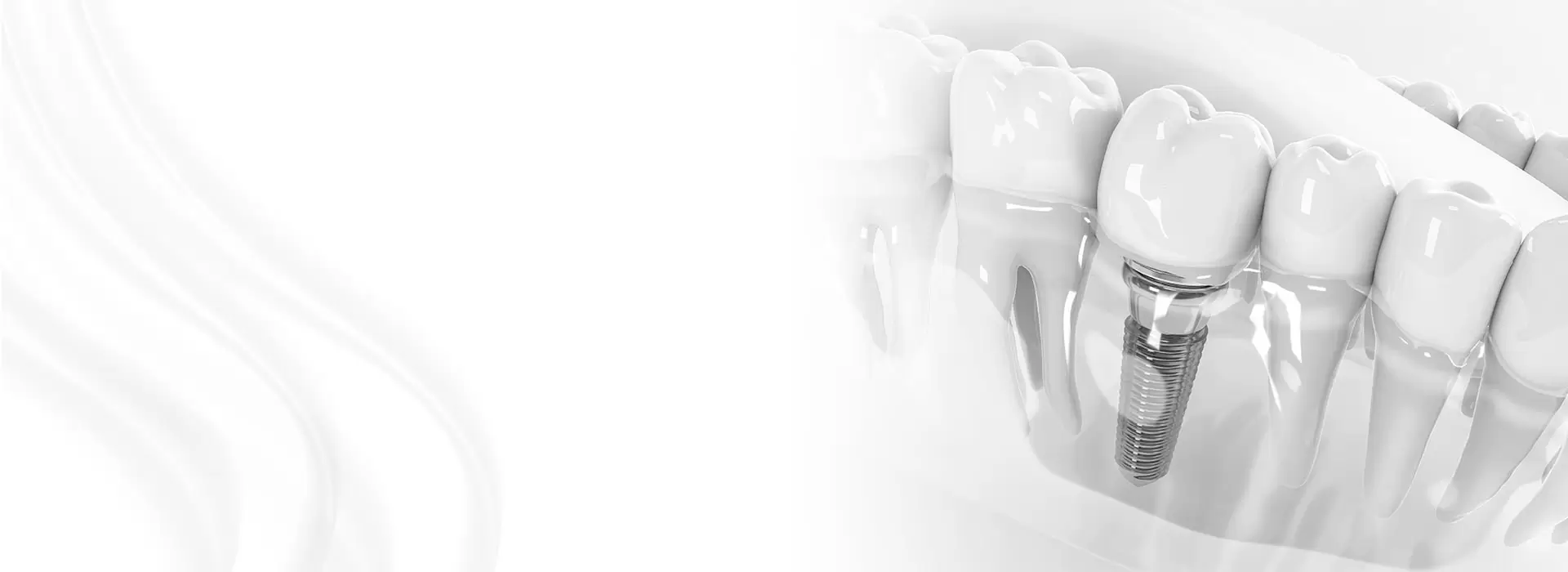
No-prep veneers are ultra-thin porcelain or composite shells, usually between 0.2 mm and 0.5 mm thick, that sit directly on the front surface of the tooth. Because they add bulk rather than remove it, they work best on teeth that are already reasonably well-shaped, only mildly discoloured, or slightly chipped. They can mask small gaps, gentle rotations, and uneven edges without the dentist needing to grind down enamel.
The trade-off is that they do not change the underlying tooth's position. If a tooth is sticking out, set back, or significantly worn down, simply bonding a thin layer on top may exaggerate the problem. A quick mirror check at home can reveal whether your teeth fall into the "suitable" or "marginal" category before you even book a consultation.
The main signs of tooth wear you can spot at home
Stand in front of a mirror with good lighting and a dry tooth surface, and look closely at a few specific features. The first giveaway is transparency at the edges. If the biting edges of your upper front teeth look almost see-through or bluish, you have lost enough enamel to make bonding less predictable. This is common among Australians in their 40s and beyond, especially those who grind their teeth during stressful periods at work.
Next, check for flattening. Teeth that were once rounded at the tips but now look squared off or have matching wear marks on the top and bottom arches usually indicate years of grinding or acid erosion. Sensitivity to cold drinks, frequent small chips, and a yellowish hue that seems to deepen over time also point to a thinning enamel layer that a no-prep veneer may not adequately protect.
Finally, look at the gumline. Notches or indentations near the gum, often called abfractions, suggest flexure and long-term stress on the tooth. These are harder to camouflage with a thin shell and may require a small amount of reshaping before any cosmetic work begins.
What your dentist looks for during a clinical assessment
A thorough assessment goes well beyond a quick visual glance. Your dentist will use a shade guide, study models, and often digital scans to evaluate the exact amount of enamel remaining, the bite relationship, and any signs of parafunction like clenching or grinding. They will check the "ferrule effect", the band of healthy tooth that grips a restoration, because very little of it may be left on a heavily worn tooth.
In an Australian private practice, this kind of work-up usually involves photos, a full periodontal chart, and a discussion about habits such as sports injuries, reflux, or a nighttime grinding pattern. Patients on a tight budget sometimes skip this step, but skipping it is one of the fastest ways to end up paying twice. A reputable clinician will talk you through the findings in plain English and explain whether your tooth structure can support a no-prep approach or whether you are better off considering traditional veneers, onlays, or crowns.
Why worn teeth sometimes need more than a minimal-prep approach
No-prep veneers add material rather than subtract it. On a tooth that has already lost height, the result can feel thick, look opaque at the edges, and interfere with the bite. Over-bonded restorations also tend to debond more easily because the adhesive needs a healthy enamel surface to grip onto. When dentine makes up most of the bonding area, the bond strength drops significantly.
There is also a functional angle. A bite that has collapsed due to wear often needs to be reopened, which usually involves some reshaping or rebuilding of the back teeth before any front-tooth cosmetic work is even considered. Ignoring this can lead to jaw discomfort, headaches, and veneers that chip within months. Many Australians who tried the cheapest option overseas have learned this the hard way and ended up spending more to fix the aftermath back home.
| Option |
Tooth removal |
Best for |
Durability |
Approximate lifespan |
| No-prep veneers |
None to minimal |
Mild wear, small chips, slight gaps |
Moderate |
5–10 years |
| Traditional veneers |
0.5–0.7 mm |
Moderate wear, discolouration, reshaping |
High |
10–15 years |
| Composite bonding |
None |
Small repairs, budget-friendly fixes |
Low–moderate |
3–7 years |
| Full-coverage crowns |
Significant |
Severe wear, cracked teeth, bite issues |
Very high |
15+ years |
This side-by-side view makes it clear that no-prep veneers sit at the conservative end of the spectrum. They are wonderful for the right case, but they are not a one-size-fits-all answer for a smile that has seen decades of coffee, wine, or grinding.
Lifestyle and habits that speed up tooth wear in Australia
A few common Aussie habits quietly accelerate wear. The country's love affair with flat-white coffee, energy drinks, and sports hydration powders that contain citric acid keeps the mouth in a low-pH environment for hours. Add to that the dry, dusty conditions across much of the continent and the rising use of antihistamines, and you have got a perfect storm for reduced saliva, which is the mouth's natural buffer.
Grinding is another big one, often linked to long work hours in finance and tech hubs around Sydney and Melbourne, or the physical demands of FIFO work in mining regions. Many people only discover they grind after a partner hears the nighttime noise, or after a dentist spots the wear pattern. The Australian Dental Association has been vocal about linking these patterns to broader health issues such as sleep apnoea, which is another reason a full assessment matters before any veneer is bonded in place.
When to seek a second opinion or explore alternatives
If your initial consultation leaves you with more questions than answers, or if the proposed plan seems to rely entirely on no-prep veneers despite obvious wear, book a second opinion. A trustworthy clinician will never push a single solution, and many will gladly provide a written report you can take elsewhere. Cross-checking with a dentist who has post-graduate training in prosthodontics or restorative work is a smart move for anyone with moderate to severe wear.
For those whose teeth genuinely are too worn, the path forward is rarely bleak. Modern materials and digital workflows mean a full-mouth rehabilitation can be staged over months, blending crowns, onlays, and carefully shaped veneers into a result that looks completely natural. Travelling for treatment has become common practice, with many Australians choosing clinics in Turkey for the cost advantage, and one well-regarded clinic is known for the kind of detailed pre-arrival assessment local patients often ask for. The key is starting with an honest, well-documented evaluation rather than jumping straight into a cosmetic fix.
If you are weighing up your options and want a clear picture of whether no-prep veneers will actually work for your smile, the first step is a detailed consultation with a clinician who will take the time to explain what is really going on beneath the surface. Reach out to the team, share a few recent photos, and ask for a written treatment plan before you commit. A confident smile starts with informed choices, not with hope dressed up as a sales pitch.