How Teeth Grinding Can Ruin Your Veneers
Veneers can give you a brighter, more even smile, but they are still exposed to the forces created by your bite. If you clench your jaw during the day or grind your teeth while asleep, the repeated pressure can damage the veneers, the natural teeth underneath them, and the surrounding jaw muscles. Learning how to tell if your teeth grinding is ruining your veneers helps you act before a small warning sign becomes an expensive repair.
Bruxism is often difficult to detect because night-time grinding may happen without you knowing. Many Australians first notice a problem after waking with a headache, finding a chip in a veneer, or hearing a partner mention loud grinding. Whether your veneers were placed in Sydney, Melbourne, Brisbane or overseas, regular dental reviews and a properly designed night guard are important parts of protecting them.
Why Grinding Puts Veneers At Risk
Teeth grinding, also called bruxism, creates pressure that is far stronger than normal chewing. Veneers are bonded to the front surface of teeth, so they can be affected when the upper and lower arches repeatedly hit, slide or clench together. Porcelain is hard and stain-resistant, yet it can chip or fracture under abnormal force. Composite veneers may be easier to repair, but they can wear, stain and lose their shape more quickly.
The risk depends on several factors, including the veneer material, the strength of the bond, your bite alignment and how often you grind. A person who clenches during stressful workdays may experience different damage from someone who grinds heavily during sleep. Your dentist can assess these patterns rather than relying on appearance alone.
| Sign or symptom |
What it may indicate |
Recommended response |
| Small chips or rough edges |
Repeated impact against opposing teeth |
Arrange a dental examination |
| Morning jaw soreness |
Night-time clenching or grinding |
Discuss bruxism assessment and a night guard |
| New sensitivity |
Enamel wear, cracks or gum recession |
Seek prompt professional evaluation |
| Veneer movement |
Bond failure or damage beneath the veneer |
Avoid biting hard foods and contact your dentist |
| Flattened natural teeth |
Long-term tooth-to-tooth wear |
Consider bite analysis and protective treatment |
Visible Changes In Your Smile
One of the clearest signs is a new chip along the edge of a veneer. It may feel like a tiny sharp spot against your tongue, or you may see a small crescent missing from the porcelain. Fine lines, hairline cracks, roughness and changes in symmetry can also suggest that your veneers are receiving excessive force.
Grinding can gradually flatten the biting edges and make the veneers look shorter. If one or more teeth begin to appear uneven, the problem may involve your natural bite rather than the veneer alone. A veneer that looks slightly grey, feels loose or has a visible gap near the gumline should be assessed rather than covered with home whitening products.
Do not file a rough veneer yourself or use household adhesive if it comes away. These actions can permanently alter the tooth and complicate professional repair. Keep any detached piece, avoid chewing on that side and arrange an appointment promptly.
Symptoms You May Notice In The Morning
Morning jaw tension is a common clue. You may wake with aching cheek muscles, tenderness near the temples, a tight feeling when opening your mouth or a dull headache around the forehead. Some people also experience clicking near the jaw joints, although clicking does not always mean that grinding is present.
Tooth sensitivity can develop when clenching contributes to microscopic cracks, gum recession or wear around the veneer margins. You may notice discomfort when drinking a cold flat white, eating ice cream or breathing in cool air. Sensitivity after veneer treatment can be temporary, but new or worsening symptoms deserve a clinical examination.
Ask a partner or family member whether they have heard you grinding at night. A dentist may also look for enlarged jaw muscles, wear facets on natural teeth and marks along the tongue or inside of the cheeks. These clues are particularly useful when the grinding itself is not obvious.
How Your Bite Can Damage Cosmetic Work
A veneer does not work in isolation. It forms part of a complete bite involving the treated tooth, its opposing tooth, the neighbouring teeth, jaw joints and muscles. If a veneer is placed without accounting for heavy contact or an uneven bite, it may receive concentrated pressure every time you close your mouth.
Some patients grind more after receiving cosmetic dental work because the new tooth shape feels unfamiliar. In other cases, veneers reveal an existing habit that was already wearing down the natural teeth. A bite that feels “high”, a tooth that touches first, or difficulty finding a comfortable resting position should be reported soon after treatment.
A dentist can use bite paper, digital scanning and a physical examination to identify areas of excessive contact. Adjustments should be conservative, especially with porcelain veneers. Removing too much material can weaken the restoration and change the planned smile design.
Night Guards And Other Protective Options
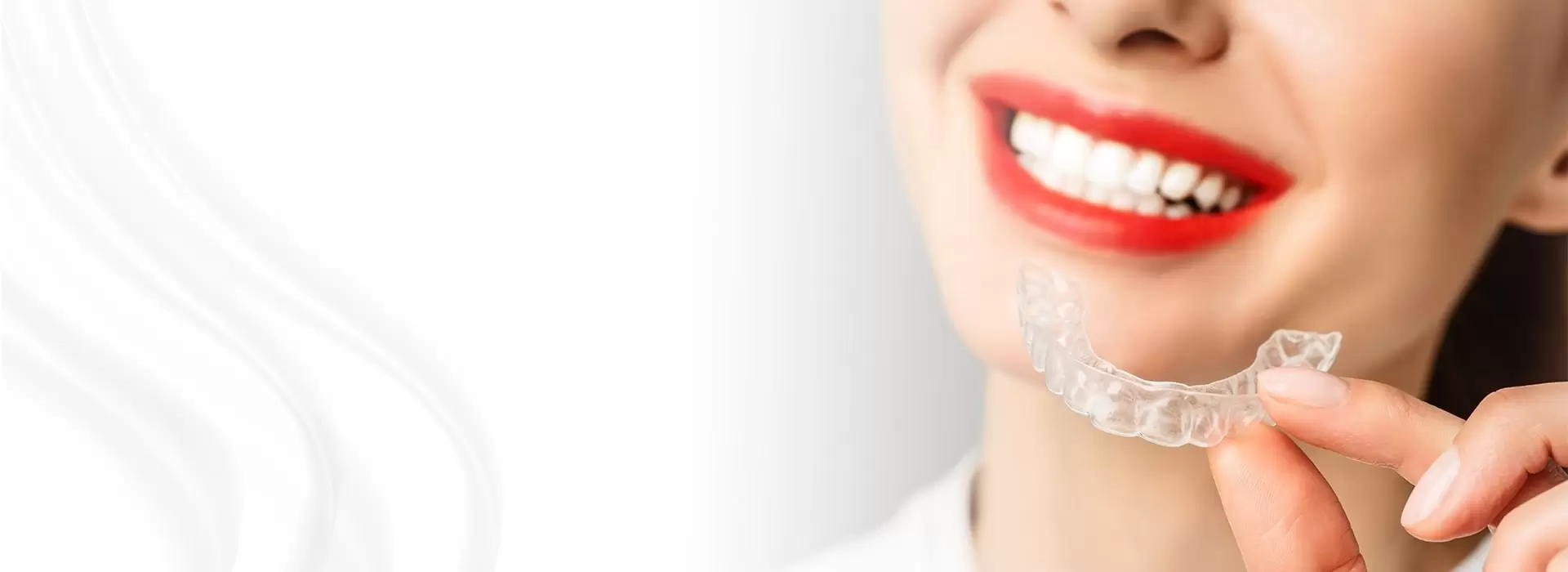
A professionally made occlusal splint can place a protective barrier between the upper and lower teeth. It may reduce direct contact, spread pressure more evenly and help protect both veneers and natural enamel. A custom device is generally preferable to a generic boil-and-bite guard because it can be designed around your restorations and bite.
Do not assume that any mouthguard is suitable for veneers. A poorly fitting appliance may increase pressure on individual teeth, interfere with your bite or cause discomfort. Sports mouthguards are made for impact protection, not for treating sleep bruxism. Your dentist should check the fit and review the appliance over time.
Treatment may also include stress management, jaw physiotherapy, bite correction or addressing habits such as chewing pens and constantly holding the teeth together. In selected cases, botulinum toxin injections may be discussed for powerful jaw muscles or persistent clenching. This should be provided only after a proper assessment and as part of an individualised plan.
Australian Dental Care And Treatment Timing
In Australia, adult dental treatment is usually paid privately, and Medicare generally does not cover routine dental care. Private health insurance may contribute towards some services, depending on waiting periods, annual limits and extras cover. Before replacing a damaged veneer, check your policy and ask the clinic for a written estimate covering examination, scans, repair and any protective appliance.
Patients often travel from Melbourne, Sydney, Brisbane, Perth or regional areas for cosmetic dentistry, but travel can make follow-up more difficult. If you are considering treatment in Turkey, schedule enough time for reviews and keep copies of your dental records, veneer material details and any night-guard instructions. A local Australian dentist can then provide urgent care if a restoration chips after you return home.
For patients comparing options abroad or looking for a clinic that combines cosmetic and general dental services, personalised dental care can help explain how veneer treatment, bite assessment and protective planning may fit together. A remote discussion cannot replace an examination, but it can clarify what records and scans may be needed before travelling.
Practical Ways To Protect Your Veneers
Small daily choices can reduce unnecessary stress on cosmetic restorations. Veneers are not a reason to avoid normal eating, but hard objects, sudden impacts and untreated clenching can shorten their service life. Your dentist can tailor advice to your material, bite and medical history.
Useful habits include:
- Wear your dentist-prescribed night guard consistently if bruxism has been identified.
- Avoid biting ice, pen caps, fingernails, bottle tops and very hard lollies.
- Cut hard foods such as raw carrot or crusty bread into manageable pieces.
- Keep regular dental reviews so chips, wear and gum changes are detected early.
- Notice daytime clenching and let your jaw rest with your teeth slightly apart.
- Clean your teeth gently with fluoride toothpaste and a soft-bristled brush.
- Contact your dentist quickly if a veneer feels loose, sharp, painful or different.
When To Seek Urgent Veneer Care
A minor rough edge is worth booking in for assessment, but some symptoms need faster attention. Seek prompt dental care if a veneer has fractured, moved, fallen off, or exposed a sensitive area. Severe pain, facial swelling, bleeding that does not settle, fever or difficulty opening your mouth may indicate a wider dental problem requiring urgent treatment.
Until you are seen, chew on the opposite side and choose soft foods. Do not place a loose veneer back with glue, and do not wear a night guard that causes sharp pain or forces a damaged tooth into contact. If you have swelling or breathing difficulty, seek emergency medical help immediately.
Protecting veneers is easier when grinding is identified early. Book a consultation for a bite assessment, discuss whether a custom night guard is appropriate, and have any chips or sensitivity checked before the damage spreads. A tailored plan can help preserve your smile and reduce the chance of repeated veneer repairs.