How to Tell if Your Veneers Need to Be Replaced
Porcelain and composite restorations can transform a smile, but they are not designed to last forever. Australians who invest in cosmetic dentistry often expect decades of wear, only to be caught off guard when their once-bright teeth begin to show age. Knowing the warning signs early saves money, protects the underlying enamel, and keeps the bite comfortable.
Veneers generally last between seven and twenty years depending on the material, the dentist's technique, and the patient's habits. Factors unique to life in Australia - high UV exposure, frequent coffee and tea consumption, a fondness for meat pies and tomato-based relishes, and weekend sport that risks facial trauma - all play into how quickly a restoration deteriorates. Recognising when replacement is due helps patients across Sydney, Melbourne, Brisbane, Perth, Adelaide, and regional centres plan their next steps with confidence.
Average lifespan and material differences
The first clue often lies in knowing what type of restoration sits on each tooth. Porcelain veneers traditionally outlast composite alternatives, but advances in pressed ceramics and zirconia have shifted that conversation. Patients in coastal cities such as the Gold Coast sometimes favour zirconia for its durability during outdoor activities, while those in office-heavy careers in the CBDs of Sydney and Melbourne often pick feldspathic porcelain for its lifelike translucency.
| Veneer Material |
Typical Lifespan |
Resistance to Staining |
Average Cost in Australia (per tooth) |
Best Suited For |
| Composite resin |
4-7 years |
Moderate |
AUD $400-$800 |
Small chips, budget-friendly repairs |
| Porcelain (feldspathic) |
10-15 years |
High |
AUD $1,200-$2,500 |
Front teeth, premium aesthetics |
| Pressed ceramic (e.g. e.max) |
15-20 years |
Very high |
AUD $1,500-$3,000 |
Long-term full smile makeovers |
| Zirconia |
15-20+ years |
Excellent |
AUD $1,800-$3,500 |
Heavy bite, molars, contact sport patients |
These figures assume regular hygiene visits and a protective night guard for anyone who grinds their teeth during sleep. Travelling patients who combine cosmetic work with holidays in destinations such as Turkey often compare these numbers against international pricing, which is why clinics like TruDent in Izmir publish transparent timelines for their restorations.
Visible cracks, chips, and surface wear
Small hairline fractures may not cause pain, but they signal that the structural integrity of a veneer is fading. Common triggers include biting into hard foods, grinding, and accidental knocks during a game of rugby or a surf session at Bondi. Composite chips are usually obvious because the underlying tooth shade shows through, while porcelain fractures may appear as a glossy line that catches the light.
When damage reaches the inner layer, bacteria can sneak under the restoration and cause decay on the natural tooth. Dentists usually recommend replacement rather than patching if the chip is wider than two millimetres or if it sits on the biting edge. A fresh veneer seals the tooth again and restores the original contour without relying on a build-up that may not bond reliably.
Common everyday triggers for veneer cracks include:
- Biting whole apples, crusty bread rolls, or unpopped popcorn kernels
- Using front teeth to open packaging, beer bottles, or chip packets
- Playing contact sport without a custom mouthguard
- Grinding or clenching the jaw during sleep, often linked to workplace stress
Stubborn discolouration and shade mismatches
Coffee, black tea, red wine, and the daily flat white that fuels many Melbourne commutes gradually dull even the most stain-resistant porcelain. Composite veneers absorb pigments faster, which is why their original shade often shifts within a few years. When professional polishing no longer lifts the discolouration, the surface has likely become porous and the veneer is nearing the end of its service life.
Another shade concern is mismatch. As natural teeth age, they darken slightly while veneers keep their original tone, leaving a visible line at the gum. Patients who whitened their teeth before cosmetic work sometimes notice the untreated molars pulling away from the bright front restorations - a reason many clinics recommend whitening all visible teeth, not just the ones being restored.
Receding gums and exposed margins
Gum recession is one of the clearest signs that veneers need reviewing. Many Australians develop gum recession from overbrushing, periodontal disease, or simply the natural ageing process. Once the gum line creeps back, the thin margin of cement between veneer and tooth becomes exposed, sometimes attracting plaque and causing a dark line at the top of the restoration.
Recession around veneers is rarely reversible without intervention. A periodontist may first address the gum health, and a cosmetic dentist then replaces the veneer with a slightly longer or differently shaped restoration to cover the newly exposed root surface. Ignoring the problem often leads to sensitivity on hot drinks, which is particularly troublesome for those who enjoy a morning brew in Perth's café scene.
Sensitivity, bite changes, and hidden decay
A sudden twinge when eating ice cream or drinking cold water can mean the bond between veneer and tooth has weakened. Sensitivity that lingers longer than a few seconds, or that appears months or years after the original placement, points to microleakage or decay underneath. The ache is usually sharper than ordinary tooth sensitivity, and it does not improve with desensitising toothpaste.
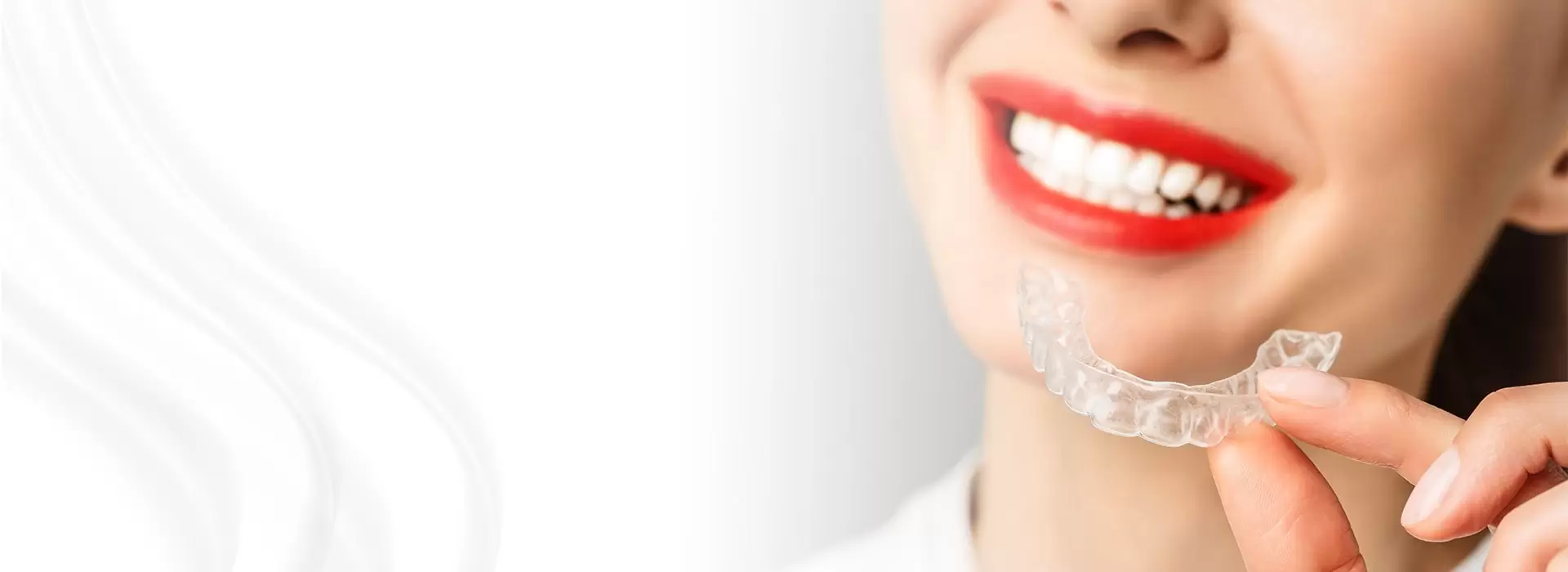
Bite changes are equally telling. If a veneer sits slightly higher than the surrounding teeth, every chew sends extra force through that spot, eventually cracking the restoration or the tooth beneath. People who previously had aligner treatment sometimes notice shifting years later; if Invisalign trays no longer seat properly, the bite may be drifting and putting pressure on existing veneers. Reading about what to do if your Invisalign tracker stops fitting helps patients connect bite movement to veneer stress before scheduling a check-up.
Loose, lifted, or detached veneers
A veneer that feels mobile when pressed with the tongue has lost its bond, even if it has not fallen out yet. The bond can fail because of saliva contamination during the original cementation, decay beneath the restoration, or trauma. Detachment is more urgent than a simple chip because the underlying tooth is exposed and can shift quickly once the supporting structure is gone.
Emergency dental care is available at most Australian clinics for exactly these situations. The loose veneer sometimes bonds back on if the tooth and restoration are still intact, but often a new veneer is the safer long-term choice. Anyone experiencing sudden detachment should avoid chewing on that side and arrange an appointment within a few days.
Everyday habits that shorten or lengthen veneer life
Preventing premature replacement is largely a matter of daily routine. Patients who follow a few consistent practices typically enjoy their veneers close to the maximum lifespan listed by the manufacturer.
- Wear a custom night guard if you grind or clench during sleep, especially common during stressful work weeks in Sydney and Melbourne.
- Limit highly pigmented drinks such as tea, coffee, and red wine, or rinse with water immediately after consuming them.
- Use a non-abrasive, fluoride toothpaste and a soft-bristled brush to avoid scratching the polish.
- Schedule six-monthly check-ups so your dentist can catch marginal stains or small chips before they escalate.
Habits that typically shorten veneer life include chewing on ice, opening packets with the front teeth, and ignoring early sensitivity. Smokers and regular drinkers of dark beverages may need professional polishing every twelve months rather than every two years. Patients who play contact sports, from amateur AFL in suburban Adelaide to touch football on a Wollongong oval, should wear a custom mouthguard to prevent sudden blows to the front teeth.
If any of the warning signs above apply to you, the next step is straightforward. Book a consultation so a clinician can assess the underlying tooth, the current restoration, and the gum tissue around it. Replacement is recommended only when other options cannot restore the appearance or function of the original work. TruDent Clinics in Izmir offers personalised treatment plans for Australian patients exploring either domestic touch-ups or travel-based smile makeovers. Reach out through the clinic's website to compare veneer options, discuss timelines, and arrange a thorough review before any symptoms progress further.