How to Treat a Cracked Tooth With Natural-Looking Results
A cracked tooth can cause sharp pain when biting, sensitivity to cold drinks, or discomfort that seems to come and go. Because some fractures are difficult to see, delaying care may allow the damage to spread through the enamel, dentin, or pulp. Prompt assessment gives you the best chance of preserving the tooth and keeping the final result discreet.
Treatment depends on the crack’s depth, location, direction, and effect on the nerve. A minor enamel line may need monitoring or cosmetic repair, while a deeper fracture may require a crown, root canal treatment, or replacement with a dental implant. The right approach balances strength, comfort, appearance, and long-term function.
Modern restorative dentistry can closely match the shade, translucency, and shape of surrounding teeth. With careful planning, a repaired tooth can blend naturally into your smile rather than looking overly bright, bulky, or artificial.
Recognizing the Type of Damage
A cracked tooth may produce pain when you release your bite, sensitivity to hot or cold, or tenderness around the gum. Some people notice a rough edge with their tongue, while others have no symptoms until the fracture becomes more extensive. Pain that is difficult to locate can occur when a crack irritates the dental pulp or allows bacteria to move inward.
Common forms of tooth damage include craze lines, fractured cusps, cracks extending toward the gum, and vertical root fractures. Craze lines are usually shallow and limited to enamel. A fractured cusp often affects a weakened section around a large filling. Cracks that extend below the gum line are more serious because they can compromise the tooth’s ability to heal and remain stable.
Do not try to smooth, glue, or cover a damaged tooth at home. Avoid chewing ice, hard sweets, popcorn kernels, and other brittle foods on the affected side until a dentist has examined it. If swelling, fever, severe pain, or a facial injury is present, seek urgent dental care.
Why Early Treatment Protects the Smile
A crack acts like a pathway through the tooth. Repeated biting pressure can force the segments apart, while temperature changes may make the fracture expand. Once bacteria reach the inner pulp, inflammation or infection may develop, increasing the likelihood of root canal treatment or tooth removal.
Early care can sometimes preserve more natural structure. A dentist may reinforce a weakened cusp with an inlay, onlay, or crown before the damage reaches the nerve. When the pulp is inflamed but the outer tooth can still be restored, root canal treatment followed by a protective crown may save the tooth.
Pain relief alone does not repair a fracture. Over-the-counter medication can temporarily reduce discomfort when used according to medical guidance, but it should not replace an examination. Emergency dental services are especially important after an accident, when a large piece has broken away, or when swelling affects the face or jaw.
How Dentists Assess a Cracked Tooth
Diagnosis usually begins with a discussion of symptoms, previous fillings, bite habits, and any recent impact. The dentist may use magnification, a bright light, a dental dye, and a bite test to identify the area that triggers pain. X-rays can reveal infection or bone changes, although a fine crack is not always visible on a standard image.
The examination also considers whether the tooth is alive, stable, and restorable. A cold or electrical pulp test may help assess nerve health. In complex cases, additional imaging or examination by an endodontic specialist may be appropriate. The goal is to establish the crack’s path before selecting a restoration.
A personalized plan should account for your bite, smile line, tooth colour, gum health, and expectations. A consultation with TruDent Clinics can help connect the diagnosis with suitable cosmetic and general dentistry options, rather than treating appearance separately from oral health.
Selecting a Restoration That Looks Natural
The restoration should protect the tooth from further flexing while reproducing its natural proportions. For a small fracture or limited chip, tooth-coloured composite bonding may be appropriate. Composite can be shaped directly on the tooth and polished to blend with adjacent enamel, although it may be less durable under heavy biting pressure.
An inlay or onlay can restore a damaged chewing surface without covering the entire tooth. These restorations are often made from high-strength ceramic or tooth-coloured material in a dental laboratory. A crown may be preferable when the tooth has lost substantial structure, contains a large filling, or has received root canal treatment.
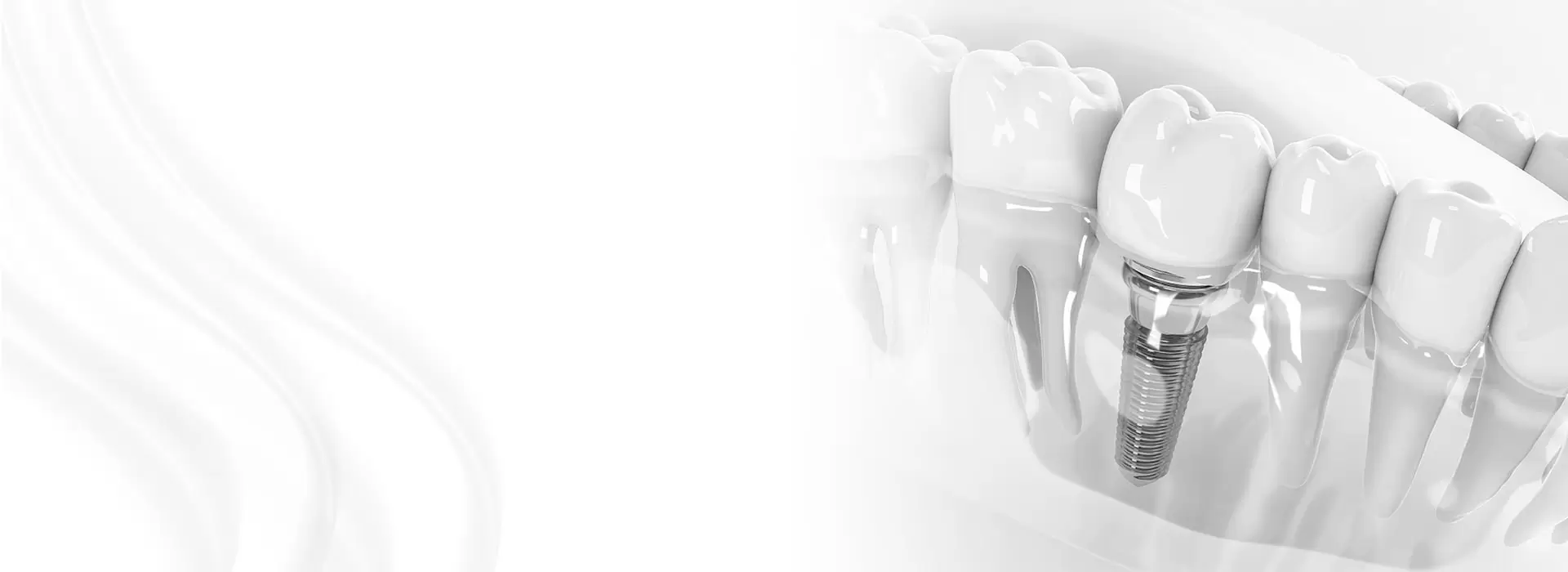
If a crack extends below the gum or the tooth cannot be predictably repaired, extraction may be necessary. A dental implant with a ceramic crown can replace the missing tooth while supporting natural-looking function and appearance. Veneers are designed mainly for front-surface cosmetic changes and are not a dependable solution for a structurally unstable tooth.
| Treatment option |
Often considered when |
Appearance and durability |
| Composite bonding |
Small chips or superficial defects |
Shade-matched and conservative, but more vulnerable to staining or wear |
| Inlay or onlay |
A damaged cusp or moderate loss of tooth structure |
Strong, precise, and designed to preserve healthy enamel |
| Dental crown |
Extensive cracks or a tooth after root canal treatment |
Covers and reinforces the tooth with a highly natural finish |
| Root canal with crown |
The crack has inflamed or infected the pulp |
Removes infection, then protects the remaining tooth |
| Dental implant and crown |
The tooth cannot be restored safely |
Replaces the root and crown with a stable, lifelike option |
Creating a Seamless Cosmetic Result
A natural restoration is shaped around more than colour. Teeth have subtle variations in translucency, surface texture, brightness, and contour. A dentist may evaluate neighbouring teeth in daylight, photograph the smile, and use digital planning or diagnostic models to determine the ideal size and position.
Ceramic crowns and onlays can be layered or selected to reproduce the way natural enamel reflects light. The margin should be carefully adapted near the gum to reduce plaque retention and avoid a visible line. The bite must also be adjusted so the restored tooth does not receive excessive pressure during chewing or grinding.
Shade selection is best completed before dehydration changes the appearance of the teeth. If whitening is part of a broader smile makeover, it is generally planned before the final shade of a permanent restoration is chosen. Existing restorations do not lighten in the same way as natural enamel, so coordinating the sequence helps prevent mismatched colour.
Protecting the Tooth After Treatment
Healing and adaptation vary according to the procedure. A tooth may feel mildly sensitive after bonding, a crown preparation, or root canal treatment, but increasing pain, swelling, or a loose restoration should be reported promptly. Follow the dentist’s instructions for temporary restorations and avoid hard foods until the permanent repair is fitted and checked.
Long-term care is straightforward but important. Brush twice daily with fluoride toothpaste, clean between the teeth, and attend regular examinations. A night guard may be recommended if you clench or grind, since repeated pressure can damage both natural teeth and restorations.
The following habits can help protect a repaired tooth and preserve its appearance:
- Use your teeth for chewing food, not opening packages or biting fingernails.
- Avoid chewing ice, hard pens, and unpopped popcorn kernels.
- Wear a properly fitted mouthguard during contact sports.
- Report changes in bite, sensitivity, gum swelling, or restoration movement.
- Keep professional hygiene appointments to control plaque around crowns and bonded areas.
Planning Care Around Your Smile
Treating a cracked tooth successfully requires a balance between structural repair and aesthetic detail. A filling may be enough for a limited defect, while a crown or implant may be the safer choice when the tooth is weakened. The most attractive result is one that also withstands normal chewing and protects the surrounding teeth.
Patients considering care abroad or combining restorative treatment with cosmetic dentistry should review the diagnostic process, materials, treatment stages, and follow-up arrangements before proceeding. Clear communication about previous dental work, medications, grinding, and desired appearance allows the dental team to build a more reliable plan.
A professional evaluation is the next practical step. Schedule a consultation with TruDent Clinics to have the cracked tooth assessed, discuss restorative alternatives, and create a treatment plan focused on comfort, strength, and a natural-looking smile.