How to Treat a Knocked-Out Tooth
A knocked-out tooth is a dental emergency that requires immediate action. A fall, sports injury, road accident, or blow to the face can force a permanent tooth completely out of its socket. The first few minutes can affect whether the tooth can be successfully replanted and preserved.
Stay calm, find the tooth, and contact an emergency dentist as quickly as possible. A permanent tooth may sometimes be returned to its socket, but success depends on the condition of the tooth, the tissues around it, and how quickly professional treatment begins.
A baby tooth should never be pushed back into the gum. Doing so can damage the developing adult tooth underneath. The guidance below applies mainly to permanent teeth in older children, teenagers, and adults.
Act Quickly At The Scene
Find the tooth and pick it up by the crown, which is the part normally visible in the mouth. Avoid touching the root because delicate periodontal ligament cells may still be attached. These cells can support healing when the tooth is replanted promptly.
If the tooth is dirty, rinse it very gently with clean water or milk for a few seconds. Do not scrub the root, scrape away tissue, use soap, or place the tooth in disinfectant. Do not wrap it in tissue or allow it to dry out.
If possible, carefully place the tooth back into its socket. Ask the injured person to bite softly on clean gauze or cloth to keep it in position. Only do this if the person is conscious, cooperative, and the tooth appears to fit naturally. Never force it into place.
Keep The Tooth Moist
If you cannot reinsert the tooth, keep it moist while travelling to a dentist. Place it in a container of cold milk, saline solution, or a tooth-preservation solution if one is available. The injured person may also hold the tooth inside the cheek, but this is unsuitable for young children who could swallow it.
Water is less effective than milk or a specialist preservation medium for protecting root cells. However, getting urgent dental help is more important than spending a long time searching for the ideal storage liquid. Do not let the tooth dry on a counter, in a pocket, or wrapped in gauze.
Call an emergency dental clinic while arranging transport. Tell the staff that a permanent tooth has been avulsed, meaning it has been completely displaced from its socket. This allows the team to prepare for urgent assessment and treatment.
Control Bleeding And Check For Other Injuries
A knocked-out tooth may be accompanied by cuts to the lips, gums, tongue, or face. Place clean gauze over the bleeding area and apply gentle, steady pressure. A cold compress against the cheek can help reduce swelling and discomfort.
Look for signs of a more serious injury, including loss of consciousness, vomiting, confusion, severe headache, breathing difficulty, jaw displacement, or uncontrolled bleeding. These symptoms require emergency medical attention. Dental treatment should not delay care for a possible head or facial injury.
Avoid eating hard foods, drinking alcohol, or applying aspirin directly to the gum. If the person is fully alert and can swallow safely, a suitable over-the-counter pain reliever may help, but medication should not postpone urgent dental assessment.
Why Timing Matters
The root surface contains living cells that are sensitive to drying. When a permanent tooth is returned to the socket quickly, these cells have a better chance of supporting the tooth’s attachment. Delays can increase the risk of root resorption, infection, and loss of the tooth.
A dentist will examine the mouth, tooth, socket, and surrounding structures. Dental X-rays may be needed to identify fractures, foreign material, jaw damage, or other displaced teeth. The tooth may be gently repositioned and stabilized with a flexible splint for a period determined by the injury.
Root canal treatment is often required for a mature permanent tooth after avulsion. The timing depends on factors such as the patient’s age, root development, extraoral dry time, and the condition of the periodontal ligament. Antibiotics, tetanus advice, and follow-up visits may also be considered.
| Situation |
What To Do |
What To Avoid |
| Permanent tooth is found and looks clean |
Hold it by the crown and gently place it back into the socket if safe |
Do not touch or scrub the root |
| Permanent tooth is dirty |
Rinse briefly with water or milk |
Do not scrape, disinfect, or use soap |
| Replantation is not possible |
Store it in milk, saline, or tooth-preservation solution |
Do not let it dry or wrap it in tissue |
| Knocked-out baby tooth |
Keep it safe and seek dental advice |
Do not put it back into the gum |
| Severe facial or head injury |
Contact emergency medical services |
Do not focus only on the tooth |
| Bleeding from the mouth |
Apply gentle pressure with clean gauze |
Do not place aspirin directly on the wound |
What Happens At An Emergency Dental Visit
The dentist will first assess overall safety, pain, bleeding, and damage to the socket. The displaced tooth may be cleaned carefully and repositioned if appropriate. A flexible splint can hold it in place while the supporting tissues heal, allowing some natural movement rather than locking the tooth rigidly.
The treatment plan depends on whether the tooth is mature, how long it was outside the mouth, and whether the socket or root has fractured. A child with an immature permanent tooth may have different treatment options from an adult with a fully developed root.
Follow-up care is essential even when the tooth appears stable. The dental team may monitor color changes, sensitivity, mobility, gum healing, and signs of infection. Additional treatment, such as root canal therapy, may be recommended later rather than during the first emergency visit.
Recovery And Long-Term Care
After the tooth has been stabilized, follow the dentist’s instructions carefully. A soft diet may be advised for a short period, along with gentle brushing and an antimicrobial mouth rinse if prescribed. Avoid biting directly on the injured tooth and do not test its movement with your fingers or tongue.
Attend every review appointment. A replanted tooth can look normal initially but later develop pulp damage, root resorption, ankylosis, or infection. Regular clinical examinations and dental imaging help detect these changes before they cause extensive symptoms.
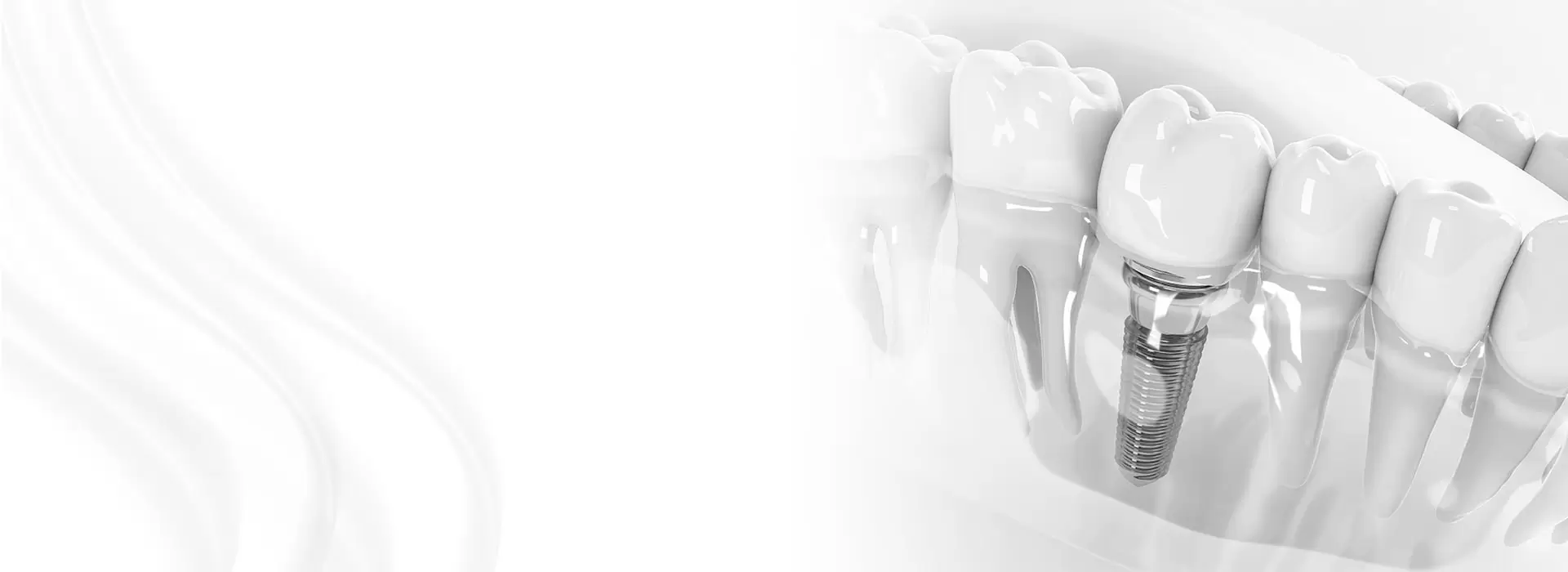
If the tooth cannot be saved, replacement options may include a dental implant, bridge, or removable tooth. The best choice depends on age, bone development, gum health, available space, and the condition of neighboring teeth. Cosmetic treatments such as veneers or crowns are not substitutes for emergency replantation, but they may be discussed later when the mouth has healed.
Practical Steps To Remember
- Pick up the tooth by the crown, never the root.
- Rinse it gently if necessary and try careful reinsertion only for a permanent tooth.
- Keep it moist in milk, saline, or a tooth-preservation solution if it cannot be replanted.
- Do not reinsert a baby tooth, scrub the root, or allow the tooth to dry.
- Contact an emergency dentist immediately and mention the time of the injury.
TruDent Clinics in Izmir can assess dental trauma and discuss the next appropriate step for a damaged or missing tooth. Prompt evaluation gives a permanent tooth the best possible chance of preservation and also helps identify injuries that may not be visible at first. Arrange urgent dental care as soon as the injury occurs, then follow the recommended review plan to protect your oral health.