Practical Ways To Ease Tooth Pain Before Dental Care
A toothache can begin as a mild sensitivity and become a constant, throbbing pain within hours. While home care cannot repair decay, a cracked tooth, an infected pulp, or gum disease, it can reduce discomfort and help you stay safe until a dentist examines the cause.
How to treat a toothache while waiting for your dental appointment depends on the symptoms, your medical history, and how quickly the pain is changing. The safest approach combines gentle cleaning, appropriate over-the-counter medication, cold therapy, and close attention to warning signs.
Dental pain often returns when temporary relief wears off because the underlying problem remains. Arrange professional care as soon as possible, even if rinsing or pain medicine makes the tooth feel better for a while.
Understand What May Be Causing The Pain
Toothache can result from several conditions. A cavity may expose sensitive inner layers of the tooth, while a loose filling or a crack can cause sharp pain when biting. Inflamed gums may feel tender and bleed during brushing, and an abscess can produce persistent pain, swelling, a bad taste, or fever.
The type of pain provides useful clues, but it does not establish a diagnosis. Brief sensitivity to cold may be linked to enamel wear or gum recession. Pain that lingers after hot or cold drinks, wakes you at night, or occurs without stimulation can indicate deeper inflammation. Pain when biting may point to a crack, a high filling, or inflammation around the root.
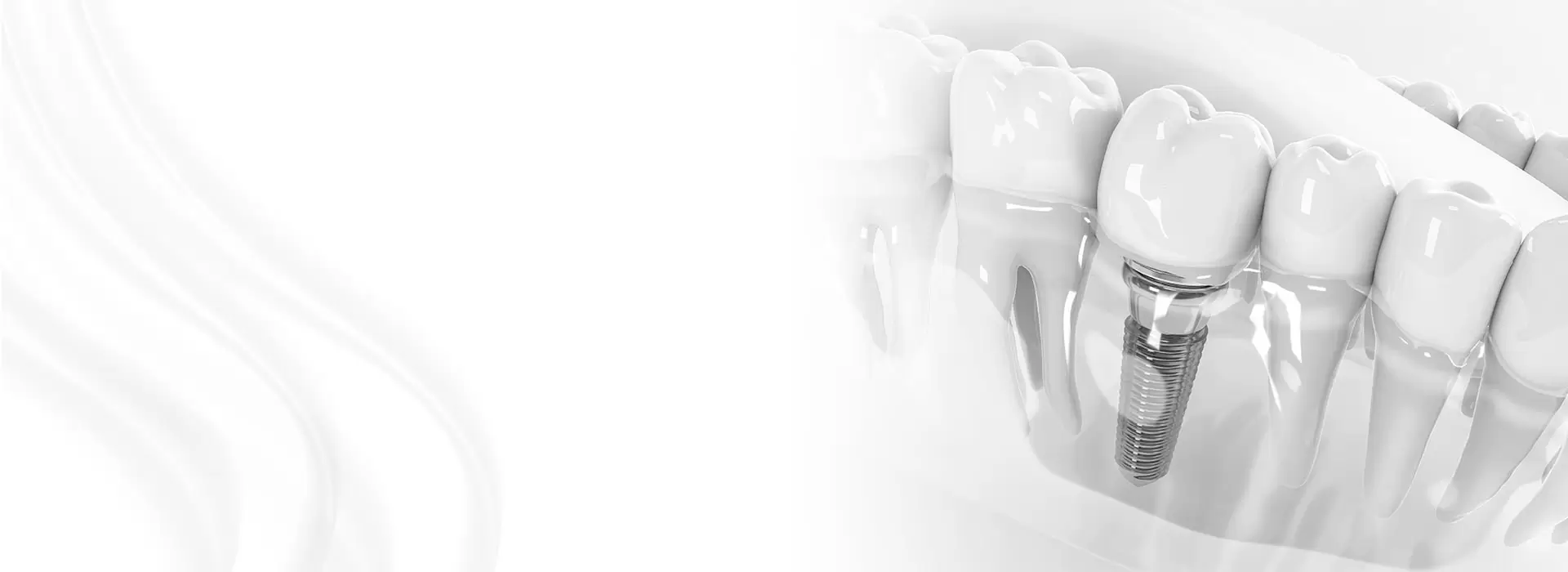
If the discomfort is associated with gum recession, bleeding, loose teeth, or a planned implant, a detailed periodontal assessment can help identify problems in the tissues supporting the teeth; periodontal assessment is often an important part of comprehensive dental care.
Act Safely During The First Hours
Start by rinsing your mouth gently with warm salt water. Dissolve about half a teaspoon of salt in a glass of warm water, swish for approximately 20 to 30 seconds, and spit it out. This can loosen food particles and soothe irritated gum tissue. Do not swallow the rinse, and avoid very hot water that could worsen inflammation or burn your mouth.
Brush carefully with a soft-bristled toothbrush, especially around the painful tooth. If food is trapped between the teeth, use dental floss or an interdental brush gently. Stop if flossing causes significant bleeding or sharp pain. Keeping the area clean is useful, but aggressive brushing, repeated poking, or trying to open a swelling can make the tissue more irritated.
A cold pack wrapped in a thin cloth can be placed against the outside of the cheek for about 15 to 20 minutes at a time. Leave a break between applications to protect the skin. Cold therapy may reduce swelling and dull pain, particularly after an injury. Do not place ice directly against the tooth or gum.
Choose Relief That Fits The Situation
Over-the-counter pain relievers may help when taken exactly as directed on the packaging. Ibuprofen can reduce both pain and inflammation for many adults, while paracetamol or acetaminophen may be an option for people who cannot take anti-inflammatory medication. Some adults may use both medicines safely, but dosing should follow the product instructions or advice from a pharmacist or clinician.
Avoid ibuprofen and similar medicines if you have been told to avoid nonsteroidal anti-inflammatory drugs, or if you have certain stomach, kidney, bleeding, heart, or medication-related risks. Paracetamol or acetaminophen also has a maximum daily dose and may be unsafe with liver disease or heavy alcohol use. Check combination cold and flu products to avoid accidentally taking the same ingredient twice.
| Temporary measure |
How it may help |
Important caution |
| Warm salt-water rinse |
Cleans and calms irritated gums |
Do not swallow; avoid very hot water |
| Cold compress |
May ease swelling and numb discomfort |
Wrap it; do not apply ice directly |
| Ibuprofen or similar medicine |
Helps with pain and inflammation |
Avoid when contraindicated; follow the label |
| Paracetamol or acetaminophen |
Reduces pain when suitable |
Check the total daily amount and other medicines |
| Soft foods and gentle chewing |
Limits pressure on the painful tooth |
Avoid extreme temperatures and sticky foods |
| Temporary dental filling material |
May cover a lost filling or sharp edge |
Use only as directed and still attend the appointment |
A pharmacist can help you select a suitable painkiller if you are pregnant, breastfeeding, taking blood thinners, managing a chronic illness, or purchasing medicine for a child. Children require age- and weight-appropriate products, and aspirin should not be given to children or teenagers unless a qualified clinician specifically advises it.
Recognize Signs That Need Urgent Care
Seek urgent dental attention if tooth pain is accompanied by facial swelling, swelling under the jaw, fever, pus, a spreading red area, or difficulty opening the mouth. These signs may indicate an infection that needs prompt treatment. A dental abscess generally requires professional drainage or treatment of the tooth; pain medicine alone does not remove the source.
Difficulty breathing, swallowing, or speaking is an emergency. Swelling that reaches the eye or neck, confusion, faintness, uncontrolled bleeding, or a serious facial injury also requires immediate emergency evaluation. Do not wait for a routine appointment when swelling is rapidly increasing or your general condition is worsening.
Contact the dental clinic promptly if the pain becomes severe, prevents sleep, or stops you from eating and drinking. Emergency dentistry may provide an examination and short-term treatment to control pain, protect the tooth, or manage infection while a complete plan is arranged.
Avoid Remedies That Can Cause Damage
Do not place aspirin directly on the tooth or gum. It can chemically burn the soft tissue and create a second painful injury. Undiluted clove oil, alcohol, hydrogen peroxide, and other concentrated substances can also irritate or damage the mouth. Home remedies that cause numbness may mask worsening symptoms without addressing the condition.
Avoid applying heat to a swollen cheek because warmth may increase blood flow and aggravate swelling. Do not attempt to pop a gum boil, drill a tooth, remove a filling, or use leftover antibiotics. Antibiotics are not appropriate for every toothache and, when needed, must be selected and prescribed by a clinician.
Until you are seen, limit sugary foods, very cold or hot drinks, hard nuts, chewy sweets, and anything that clearly triggers the pain. If lying down makes throbbing worse, rest with your head slightly elevated. These measures can improve comfort but should be viewed as temporary support rather than treatment.
Make The Appointment More Productive
Before visiting the dentist, note when the pain started, whether it is sharp or throbbing, and what triggers it. Record any swelling, fever, bad taste, bleeding, trauma, or sensitivity to temperature. Also write down which medicines you took, the dose, and the time. This information helps the dental team assess the urgency and avoid medication duplication.
Bring a list of prescriptions, allergies, medical conditions, and previous dental procedures. Tell the dentist if you are pregnant, use anticoagulants, have diabetes, or have an immune-related condition. Do not delay care because the pain temporarily disappears; a dying or damaged nerve may stop responding while infection continues around the tooth.
- Schedule the earliest suitable dental examination rather than relying on repeated pain relief.
- Ask the clinic whether your symptoms qualify for an emergency appointment.
- Continue gentle brushing and flossing unless a clinician tells you to stop.
- Follow medication labels and ask a pharmacist about interactions or contraindications.
- Seek emergency medical help immediately for breathing or swallowing difficulty.
A dental examination may lead to a filling, root canal treatment, gum therapy, extraction, crown, or another option depending on the diagnosis. Prompt care usually creates more choices for preserving the tooth and prevents a manageable problem from becoming a larger one.
If you are experiencing tooth pain in Izmir, TruDent Clinics can assess urgent symptoms and discuss a personalized treatment plan for general or restorative dental care. Schedule a consultation through the clinic’s website, and seek immediate emergency help whenever swelling affects breathing, swallowing, or the neck.