Water Flossing Around Permanent Crowns: A Practical Guide for Australians
Permanent crowns are designed to last well over a decade, but the margin where the crown meets your natural tooth is one of the most vulnerable spots in any smile. That thin seal is constantly under pressure from food, bacteria, and the chewing forces that Australians put their teeth through every day, from meat pies at a cricket match to flat whites sipped through a busy workday. A water flosser is one of the easiest ways to keep this margin clean, but using it the wrong way can do more harm than good.
For patients in Sydney, Melbourne, Brisbane, and beyond, the device has become a regular fixture in bathrooms alongside electric toothbrushes and whitening trays. Getting the technique right protects the gum tissue around the crown, prevents the dark lines that sometimes appear at the gumline, and helps the restoration feel as comfortable years later as it did the day it was fitted.
Why Crown Margins Need Special Attention
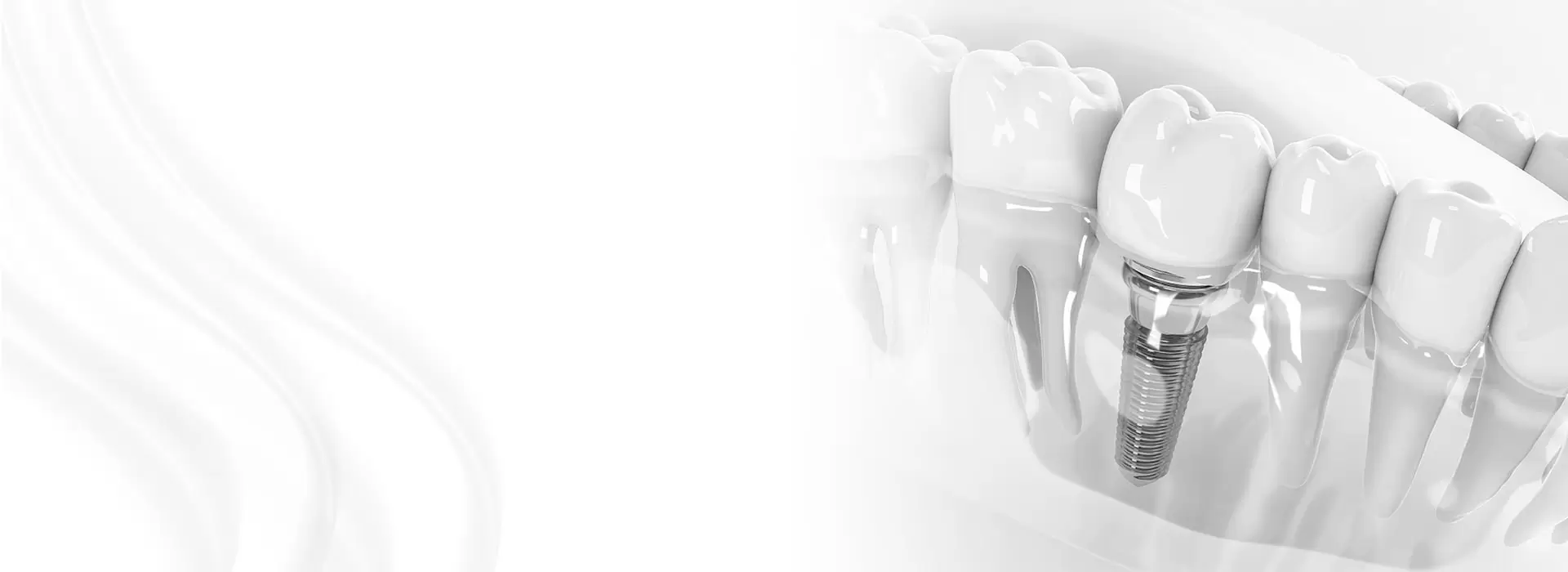
A crown covers most of a damaged tooth, but it does not seal the tooth off completely. There is always a microscopic gap at the gumline where the crown meets the natural root, and that gap can harbour plaque, food debris, and the kind of bacteria that lead to secondary decay underneath the restoration. The margin is also where the gum either hugs the crown tightly or begins to recede, exposing the edge and the underlying tooth structure.
In Australia, the majority of the population lives in areas with water fluoridation, which helps strengthen natural enamel. That said, fluoride does not protect the cement that holds a crown in place, and it does not reach underneath the gumline where bacteria thrive. The Australian Dental Association regularly points out that mechanical cleaning between teeth and around restorations remains essential, regardless of how healthy the local water supply happens to be.
Patients who have had crowns fitted after root canal therapy, or those who grind their teeth at night, are particularly prone to margin problems. Grinding places lateral force on the crown, slowly weakening the seal and creating micro-gaps. A water flosser, when used correctly, can flush out the debris that collects in those gaps before it hardens into calculus.
Choosing the Right Device and Tip for Crowns
Not every water flosser is built the same, and the Australian market has expanded significantly in recent years. Cordless models are widely stocked at Chemist Warehouse, Priceline, Big W, and Harvey Norman, while countertop units tend to be imported or ordered online. For someone with permanent crowns, the key features to look for include adjustable pressure settings, a range of interchangeable tips, and a reservoir large enough for a full clean without refilling.
Pressure matters because the tissue around a new crown is often tender for the first few weeks. A setting that is too high can bruise the gum, cause bleeding, and in some cases push water underneath a loose-fitting temporary crown. Most clinicians suggest starting on the lowest pressure and gradually working up to a medium setting over a fortnight. Anything beyond medium is rarely necessary around a crown and risks damaging the cement seal.
The tip selection also plays a role. Standard jet tips work well for general use, while soft-pick tips or orthodontic tips are gentler on inflamed gums. Patients with multiple crowns, bridges, or implants should look for a unit that includes a dedicated plaque-seeker tip with a small brush-like end, designed specifically for cleaning around restorations and along the gumline.
Quick Guide to Pressure and Tip Choices
- Low pressure with a soft tip for the first two weeks after crown placement
- Medium pressure with a standard jet tip for everyday long-term maintenance
- Plaque-seeker tip once a week to deep-clean around the gumline and any bridgework
- Pause and reduce pressure if gums bleed for more than a few seconds during use
Step-by-Step Technique Around the Crown Margin
The right angle makes all the difference. Hold the tip at a 90-degree angle to the gumline, with the water stream directed at the edge where the crown meets the tooth, not straight into the gum pocket. Lean over the sink so water can drain freely from the mouth, and let saliva and loosened debris flow out passively rather than closing the lips around the handle.
Move slowly along the gumline, pausing for a second or two at each tooth. Around a crown, it helps to trace a small semicircle from the front of the tooth to the back, allowing the water to sweep debris out from under the gum rather than pushing it deeper. The pressure should feel like a gentle shower between the teeth, not a high-pressure hose. Patients who feel any sharp pain or sensitivity should immediately reduce the pressure setting.
Order also matters. Many Australian patients instinctively start with their front teeth, but a more efficient approach is to begin in the back of the mouth where plaque tends to accumulate, then work forward. This keeps the water fresh and ensures the cleanest areas are reached last. After the gumline, briefly trace the biting surfaces of the crowns to remove any trapped food, particularly after a meal that included sticky or fibrous foods like dried fruit or grilled meat.
Mistakes That Compromise Crown Longevity
One of the most common errors is using a water flosser as a substitute for traditional string floss. The two tools do different jobs. String floss scrapes plaque off the side surfaces of teeth, while water flossers flush out debris and stimulate the gum. Skipping string floss in favour of water alone can leave biofilm untouched in the contact areas between teeth.
Another frequent mistake is cranking the pressure up because the device feels weak. Around a crown, high pressure can force water under the gum flap, cause micro-trauma to the tissue, and on rare occasions, disturb a crown that is not fully settled. Patients who have had same-day crown placements, which are becoming more common in clinics from Perth to the Gold Coast, should be especially careful during the first month of use.
A third habit that quietly undermines crown health is rinsing the mouth with sugary drinks, fruit juice, or sports drinks immediately after using a water flosser. The water flosser lifts plaque and softens the gum margin, which actually makes the area more absorbent to sugar and acid for the next twenty minutes. Plain water is the only sensible rinse after flossing.
Signs a Crown Needs Prompt Professional Attention
- A persistent dull ache when biting down, especially on the crown itself
- Visible dark lines appearing at the gumline around the crown
- The crown feeling "off" when the tongue runs across it, as though the cement has softened
- Swelling or pus around the gum near the crowned tooth
- Increased bleeding when brushing or water flossing around the restoration
Building a Long-Term Routine Around Diet, Hygiene, and Check-Ups
A water flosser works best as part of a broader routine rather than as a standalone fix. Twice-daily brushing with a fluoride toothpaste, once-daily string floss, and a water flosser used in the evening together create a layered defence against the plaque that threatens crown margins. Many Australians add a fluoride mouthwash to this routine, particularly those living in non-fluoridated rural areas of Queensland or parts of South Australia where the local water supply does not contain added fluoride.
Diet plays a surprisingly large role in crown care. The rise of iced coffee, energy drinks, and acidic sparkling waters across Australian cafes and gyms has been linked to higher rates of enamel erosion around crown margins. Sipping these drinks slowly over an hour is far more damaging than finishing them quickly, because the acid bath on the teeth is prolonged. Drinking through a straw positioned behind the front teeth can help, as can rinsing with plain water afterwards.
Six-monthly check-ups with a dentist are the standard recommendation in Australia, and patients with crowns should keep to this schedule without exception. Private health insurers including Bupa, Medibank, and HBF typically offer rebates on preventive dental visits, which makes regular monitoring of crown condition both affordable and accessible. During these visits, the dentist can check the margin with a fine explorer, polish away any stains before they set, and confirm that the bite is not placing uneven pressure on the restoration.
Long-lasting results from cosmetic dentistry depend as much on the daily habits formed after treatment as on the skill of the practitioner who placed the crown. If you are considering crowns, veneers, or a full smile makeover, or if you already have restorations and want to make sure they stay in top condition, the team at TruDent Clinics in Izmir can talk you through tailored maintenance plans during a personal consultation. Book an appointment online or reach out for guidance on the right cleaning routine for your specific case.