Invisalign Vs Traditional Braces: Choosing Your Best Smile Solution
Straightening teeth can improve much more than appearance. Orthodontic treatment may make brushing and flossing easier, support a healthier bite, and help create a balanced smile. The right option depends on your dental condition, lifestyle, treatment goals, and willingness to follow daily care instructions.
Invisalign and traditional braces use different methods to move teeth gradually. Clear aligners are removable and discreet, while fixed braces use brackets and wires to deliver continuous pressure. Both can produce excellent results when planned and monitored by a qualified dental professional.
There is no universal winner. A detailed examination, digital scans, and a discussion about your expectations are essential before choosing clear aligner therapy or conventional orthodontics. At TruDent Clinics in Izmir, treatment planning can be tailored to your smile, oral health, and preferred level of visibility.
How Each Treatment Moves Teeth
Traditional braces attach brackets to the front of the teeth and connect them with an archwire. The wire applies controlled pressure, while elastic bands or other components help guide individual teeth and correct bite problems. Since the appliances remain in place, treatment works continuously between appointments.
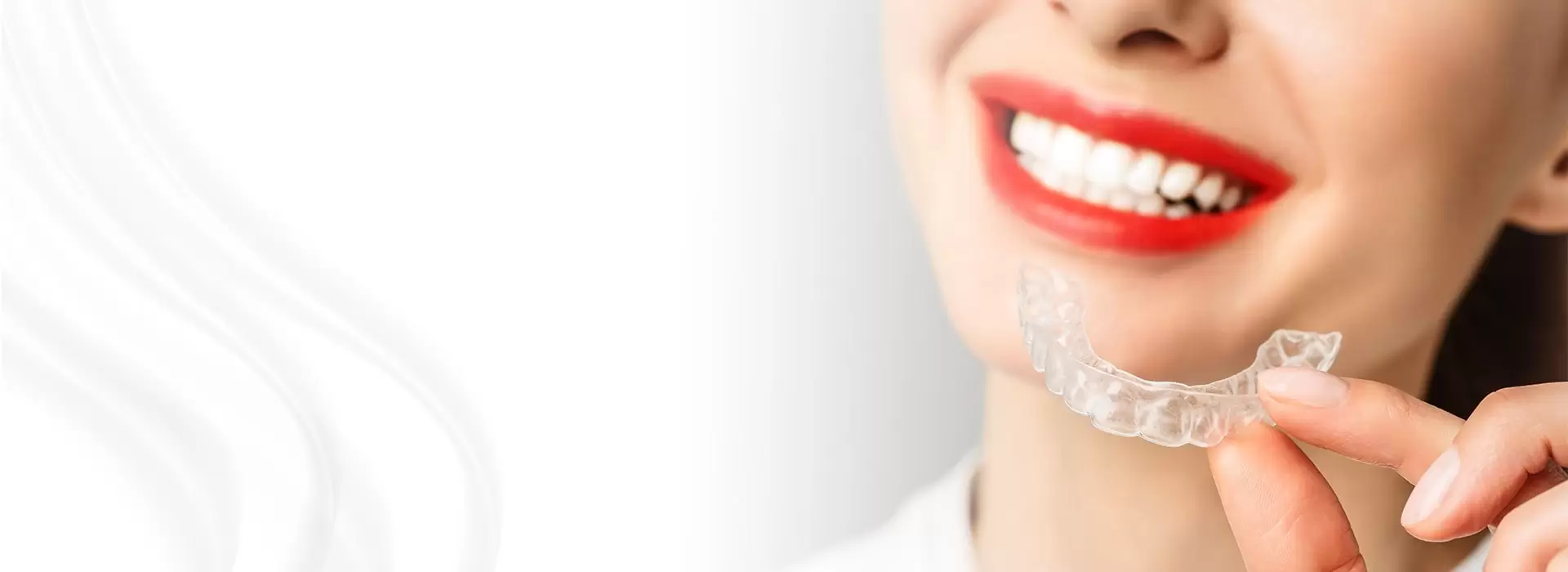
Invisalign uses a series of custom-made transparent trays. Each aligner is shaped to make small adjustments, and patients typically change to the next set according to their dentist’s schedule. The trays should generally be worn for around 20 to 22 hours daily and removed for eating, drinking anything other than water, brushing, and flossing.
Both systems rely on gradual biological movement. Neither option should be expected to create instant results, and wearing aligners inconsistently can delay progress. The best choice is the one that suits the complexity of the case and the patient’s ability to follow the treatment plan.
Appearance Comfort And Daily Routine
Clear aligners are popular with adults and image-conscious patients because they are difficult to notice in everyday conversations and photographs. They can be removed for important events, although frequent removal or prolonged gaps in wear may reduce their effectiveness. Some people experience mild pressure or temporary speech changes when beginning a new aligner.
Braces are more visible, but modern systems are smaller and more comfortable than older designs. Ceramic brackets can provide a less noticeable alternative to metal, although they may require additional care and can be more delicate. Fixed appliances may cause brief irritation after placement or adjustments, especially while the cheeks and lips adapt.
Daily habits differ significantly. Invisalign allows you to eat normally after removing the trays, but you must clean your teeth before putting them back in. With braces, sticky sweets, hard foods, and some crunchy items may need to be avoided to prevent broken brackets or wires. Brushing around brackets also takes patience and attention.
A Practical Comparison
The choice becomes clearer when the key differences are considered together. Invisalign offers flexibility and a discreet appearance, while traditional braces provide a dependable fixed system that does not rely on the patient remembering to wear an appliance.
| Feature |
Invisalign Clear Aligners |
Traditional Braces |
| Visibility |
Very discreet and transparent |
Metal is visible; ceramic options are less noticeable |
| Removability |
Removed for meals and oral hygiene |
Fixed throughout treatment |
| Eating |
Few food restrictions after removal |
Hard, sticky, and chewy foods may be limited |
| Cleaning |
Regular brushing plus aligner cleaning |
Careful brushing and flossing around brackets |
| Discipline required |
High; trays must be worn as directed |
Lower daily compliance because appliances stay in place |
| Complex movements |
Effective for many mild to moderate cases; some complex cases need additional methods |
Suitable for a wide range of tooth and bite corrections |
| Appointments |
Progress checks and new aligners |
Adjustments and wire changes |
| Appearance concerns |
Strong option for discreet treatment |
Ceramic brackets may reduce visibility |
The table provides a general guide rather than a diagnosis. Your dentist may recommend one approach, combine techniques, or suggest another orthodontic solution based on root position, jaw development, crowding, gum health, and the stability of your bite.
Treatment Time And Maintenance
Treatment duration varies considerably. Minor spacing or mild crowding may respond within several months, while significant bite correction can take longer with either method. Braces often remain in place for roughly 18 to 24 months, although some cases finish sooner or require more time. Invisalign timelines depend on the number of aligners and how consistently they are worn.
Aligner patients usually receive several trays and attend periodic reviews to check tooth movement. Losing an aligner, damaging it, or failing to wear it can interrupt the sequence. Keeping trays in their case when they are not being worn helps prevent accidental damage or contamination.
Braces require regular adjustment appointments so the orthodontic team can change the wire tension and monitor progress. Patients should contact the clinic if a bracket breaks or a wire becomes uncomfortable. After either treatment, retainers are essential because teeth can gradually shift back toward their original positions.
Oral Health And Treatment Suitability
A healthy foundation matters before any teeth-straightening treatment begins. Active decay, untreated gum disease, heavy plaque buildup, or damaged restorations may need attention first. Moving teeth through unhealthy gums can create unnecessary risks, so an examination should come before appliance selection.
Invisalign can make cleaning easier because the trays are removable, but they also create a responsibility to maintain excellent hygiene. Wearing aligners over unclean teeth may trap bacteria and increase the risk of cavities or unpleasant odors. The trays themselves should be cleaned according to professional instructions rather than with hot water, which can distort the plastic.
Braces make plaque control more demanding because food can collect around brackets and under wires. Fluoride toothpaste, interdental brushes, floss threaders, or water flossers may help reach difficult areas. Regular professional cleaning and careful home care protect the teeth while orthodontic movement takes place.
Age and dental development also influence suitability. Teenagers and adults may both be candidates for clear aligners, but younger patients may need careful supervision to ensure consistent wear. Traditional braces can be preferable when a patient is unlikely to keep removable trays in place or when extensive tooth movement is required.
Cost Consultation And Clinic Standards
Price depends on treatment length, case complexity, appliance type, imaging, follow-up visits, and retainers. Invisalign may cost more in some cases because it involves digital planning and a series of custom aligners. Braces can also vary in price according to whether metal, ceramic, or specialized components are used.
A consultation should include a clinical examination, photographs or digital scans, a discussion of bite function, and a clear explanation of what is included in the quoted fee. Ask about emergency support, refinement aligners, replacement trays, retention, and post-treatment reviews. A low initial price may not reflect the full cost of care if important stages are excluded.
Clinic quality and safety procedures deserve equal attention. Patients considering treatment abroad can review independent standards such as the TEMOS certification when assessing international healthcare quality. Credentials do not replace a personal examination, but they can provide useful context when comparing providers.
Personalized planning is especially important for patients who also want whitening, veneers, crowns, implants, or treatment for jaw tension. Orthodontic movement may need to happen before cosmetic or restorative dentistry so that the final result is stable, functional, and proportionate.
Choosing Based On Your Priorities
Invisalign may suit you if discreet treatment, removable appliances, and unrestricted meals are high priorities. It is also appealing for patients who can follow a structured routine and are comfortable cleaning both their teeth and aligners throughout the day.
Traditional braces may be a better fit if you need complex tooth or bite correction, prefer an appliance that works continuously, or worry that you may forget to wear removable trays. Ceramic brackets can offer a compromise for patients who want the fixed reliability of braces with a softer visual impact.
A balanced decision should consider clinical suitability before aesthetics. A beautiful smile depends on healthy gums, stable tooth positions, a comfortable bite, and proper long-term retention. Your dentist can explain expected movement, likely duration, limitations, and the responsibilities attached to each method.
Points To Discuss At Your Consultation
- Whether your crowding, spacing, overbite, underbite, or crossbite is suitable for clear aligners
- The estimated treatment time and what could cause delays
- The daily wear, cleaning, and appointment requirements for Invisalign or braces
- The complete cost, including scans, refinements, repairs, and retainers
- How orthodontic treatment fits with whitening, restorations, implants, or other dental goals
A consultation is the most reliable way to compare options for your individual smile. Digital records and a careful bite assessment can show which approach is likely to provide predictable movement while protecting your oral health.
When you are ready to explore Invisalign or traditional braces in Izmir, contact TruDent Clinics to arrange a personalized orthodontic evaluation. The team can review your dental needs, explain the available pathways, and help you begin treatment with a plan designed around your smile and daily life.